English Brown Granite

About
Item Details
- Material Type:
- Granite
- Origin:
India (Andhra Pradesh) - Primary Color(s):
- Brown
- Recommended Usage:
- Kitchen and bathroom countertops, monuments, building stone, ornamental stone, building stone, stairs, interior wall and floor applications, mosaic, waterjet pattern, wall panels, table tops, columns, fireplace surround
- Additional Names:
- Tan Brown Granite, Chestnut Brown Granite, British Brown Granite, Alliance Brown Granite, in China stone market:英国棕(Yīngguó zōng), English Brown Granite
- Finished Surface:
- Polished,Bush Hammered,Tumbled,Brushed,Honed,Split,Machine Cut,Natural Surface,Sandblasted,Acid Washing,Combed,Leathered,Water Jet,Filled,Chiseled,Pickling
Testing
- Water Absorption:
- 0.09 %
- Density:
- 2700 kg/m3
- Flexural Strength:
- 14.2 MPa
- Compressive Strength:
- 163.1 MPa
Description
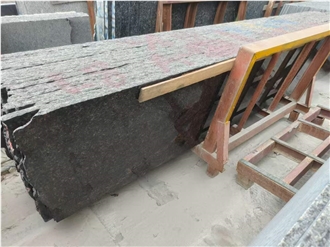
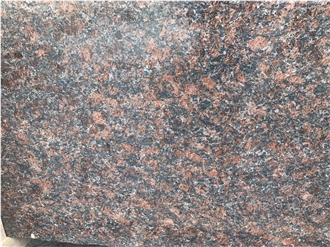
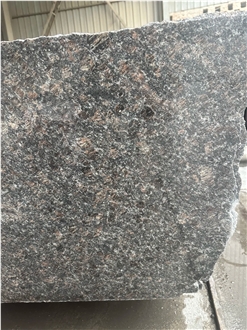
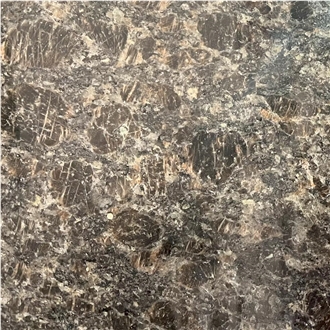
English Brown Granite, also known as Tan Brown Granite, is a medium-grained stone with a rich, dark brown background. It is characterized by its distinctive flecks of black, grey, and dark brown, which create a striking contrast throughout the surface. The granite also contains red-brown garnet inclusions, adding depth and texture to its appearance. Quarried in India, English Brown Granite is a popular choice for a variety of applications, including countertops, flooring, and wall cladding, due to its durability and timeless aesthetic. Its warm, earthy tones make it a versatile material that complements both traditional and contemporary designs.
FAQ
To clean a leathered English Brown Granite countertop, you can follow these steps:
1. Prepare a gentle cleaning solution by mixing a few drops of mild dish soap or granite cleaner with warm water.
2. Dampen a soft cloth or sponge in the cleaning solution and wring out excess water.
3. Gently wipe the countertop surface, using circular motions to remove any dirt or stains. Avoid harsh scrubbing or abrasive cleaning tools, as they can damage the leathered finish.
4. For sticky residues or tougher stains, you can make a paste by mixing baking soda with a small amount of water. Apply the paste to the affected area and let it sit for a few minutes before gently scrubbing with a soft cloth or sponge.
5. Rinse the countertop with clean water to remove any soap or cleaning residue.
6. Dry the surface thoroughly using a soft, clean cloth to prevent water spots or streaks.
7. To maintain the natural luster of the leathered granite, you can periodically apply a granite sealer according to the manufacturers instructions. This will help protect the stone and make it easier to clean in the future.
Remember to always test any cleaning solution or product on a small, inconspicuous area of the countertop before applying it to the entire surface to ensure compatibility with the granite.
What is a leathered finish on English Brown Granite slab?
A leathered finish on an English Brown Granite slab refers to a specific type of texturing treatment applied to the surface of the natural stone. It is achieved by running diamond-tipped brushes or pads over the granite, creating a subtle texture that resembles the look and feel of leather. This finish offers a slightly rougher surface compared to a polished finish, enhancing the natural characteristics and color variations of the stone. The leathered finish on English Brown Granite slabs provides a unique and rustic appearance, while also offering increased resistance to scratches and fingerprints.
How does English Brown Granite get leathered finish?
English Brown Granite can be given a leathered finish through a specialized process involving diamond-tipped brushes and high-pressure water jets. Here is a step-by-step process of how it is done:
1. Surface preparation: The granite slab is thoroughly cleaned and any existing polish or sealant is removed to provide a clean and smooth surface.
2. Grinding: Using diamond-tipped brushes, the granite surface is gently ground to remove any scratches or imperfections. This process helps create an even and uniform surface.
3. Leathering machine: The leathering machine is a specialized device that consists of multiple diamond-tipped brushes. The brushes are arranged in a specific pattern and rotation to provide the desired leathered texture.
4. Brushing and honing: The granite slab is placed on the leathering machine, and the brushes spin at high speeds while applying pressure. The brushes leave tiny abrasions on the surface, creating the leathered texture. The process is repeated multiple times to achieve the desired finish.
5. Water jets: High-pressure water jets are used to simultaneously cool down the granite surface and wash away any debris or residue from the leathering process. This helps reveal the true colors and patterns of the granite.
6. Drying: After the water jets, the granite slab is dried using specialized equipment to ensure a thorough and even drying process.
7. Sealing: Once the granite has dried completely, it is recommended to apply a stone sealer to enhance its durability and protect it from stains.
The leathered finish on English Brown Granite provides a unique, textured appearance with a slightly rough feel, adding depth and character to the stone.
Does English Brown Granite countertop scratch easily?
English Brown Granite is a durable and resilient natural stone that is not prone to scratching easily. However, it is important to note that no material is completely scratch-proof. With regular use and proper care, English Brown Granite countertops should be resistant to typical wear and tear. It is advisable to use cutting boards and avoid dragging heavy objects across the surface to minimize the risk of scratching.
Does English Brown Granite stain permanently?
English Brown Granite is known for being a durable and stain-resistant granite option. While no stone is entirely stain-proof, English Brown Granite tends to be more resistant to stains compared to other types of granite. If spills are cleaned up promptly and the surface is properly sealed, stains are less likely to become permanent. It is always recommended to follow proper care and maintenance guidelines provided by the manufacturer or installer to ensure the longevity and stain resistance of any granite surface.
How thick is English Brown Granite for fireplace?
The thickness of English Brown Granite for a fireplace can vary depending on personal preference and the specific fabrication process. Generally, granite slabs used for fireplace surrounds are around 1 to 1.25 inches thick. However, some people may prefer thicker slabs for a more substantial and luxurious look, ranging from 1.5 to 2 inches thick or even more. Ultimately, the thickness of the granite can be customized to suit individual design choices and requirements.
Is English Brown Granite OK for a fireplace hearth?
Yes, English Brown Granite can be a suitable choice for a fireplace hearth. It is a durable and heat-resistant natural stone that can withstand the high temperatures from fireplaces. Additionally, English Brown Granite has an attractive appearance with its rich brown color and subtle speckles, making it a popular choice for fireplace hearths.
Will English Brown Granite fireplace crack under heat?
English Brown Granite is known for its durability and ability to withstand high temperatures. However, like any natural stone material, there is always a possibility of cracking under extreme and rapid temperature changes. It is recommended to avoid placing direct heat sources on the granite surface as it can potentially cause thermal stress and lead to cracking. Additionally, proper installation and maintenance are crucial in ensuring the longevity and resistance to heat-related damages.
Is English Brown Granite good for fireplaces?
Yes, English Brown Granite is a popular choice for fireplaces. It is durable, heat resistant, and has a rich and elegant appearance, making it perfect for adding a luxurious touch to your fireplace design. Moreover, granite is known for its ability to withstand high temperatures, making it a safe and practical option for fireplaces.
Does English Brown Granite withstand heat?
Yes, English Brown Granite is known for its ability to withstand high temperatures and is commonly used in kitchens and around fireplaces where heat resistance is important.


1YR