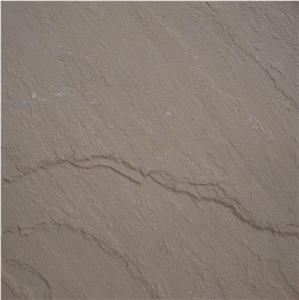
Ginger Sandstone

About
Item Details
- Material Type:
- Sandstone
- Origin:
Italy - Primary Color(s):
- Brown
- Recommended Usage:
- monuments, building stone, ornamental stone, stairs, interior, exterior wall and floor applications, mosaic, wall panels, reliefs, window sills, balustrades, columns, wall and pool copings, pool pavers, sculptures, fireplaces, cobbles, pavers, curbstone
- Additional Names:
- Ginger Brown Sandstone, Arenaria Marrone Ginger, Arenaria Ginger Marrone, Ginger Sandstone
- Finished Surface:
- Bush Hammered,Tumbled,Brushed,Honed,Split,Machine Cut,Natural Surface,Sandblasted,Acid Washing,Combed,Leathered,Water Jet,Chiseled,Pickling
Testing
- Water Absorption:
- 0.9 - 1.5 %
- Density:
- 2480 - 2520 kg/m³
- Flexural Strength:
- 6 - 9 MPa
- Compressive Strength:
- 45 - 65 MPa
- Stone texture:
- a brown sandstone quarried in Italy, featuring a warm, earthy brownish-tan to light mahogany and sandalwood-coloured base with a very fine, dense, and uniform granular composition
Description
Ginger Sandstone is a unique natural stone quarried in Italy, appreciated for its warmth and earthy tones. Its brownish-tan to light mahogany and sandalwood-colored base gives it an appealing and versatile aesthetic. The fine, dense, and uniform granular composition makes it suitable for various architectural and decorative applications.
Physical and Mechanical Properties:
- Water Absorption: Low, around 0.9% - 1.5%
- Density: Approximately 2,480 - 2,520 kg/m³
- Flexural Strength: 6 - 9 MPa
- Compressive Strength: 45 - 65 MPa
- Hardness: Medium, Suitable for moderate traffic areas and can withstand abrasion to a reasonable extent.
- Porosity: Low, Ensures longevity and resistance to staining.
- Slip Resistance: Moderate, Safe for both indoor and outdoor applications, provided proper surface treatment and maintenance.
Chemical and Mineral Composition:
- Silica (SiO₂): 60% - 75%. Provides hardness and resistance to weathering.
- Alumina (Al₂O₃): 10% - 20%. Contributes to the formation of feldspar and gives structural stability.
- Iron Oxides (Fe₂O₃): 2% - 5%. Responsible for the stone's warm, earthy tones.
- Calcium Carbonate (CaCO₃): 5% - 15%. Aids in cementing grains together and adds durability.
- Other Minerals (e.g., clays, other oxides): Variable. Influence color and other physical properties.
Usage:
- Outdoor Cladding and Facades: Utilized for its aesthetic appeal and weather resistance.
- Interior Flooring and Wall Coverings: Offers a warm appearance in residential and commercial spaces.
- Landscaping Elements and Garden Decor: Frequently used for its durability and natural look.
- Fireplaces and Accent Walls: Adds elegance and warmth to indoor settings.
Maintenance:
- Regular Cleaning: Use mild, non-acidic cleaners to avoid surface degradation.
- Sealing: Recommend sealing to enhance resistance to stains and moisture.
- Periodic Inspection: Check for cracks and chips to ensure structural integrity and appearance.
Cutting Sizes (cm):
- Commonly available in various standard and custom sizes, such as 30x30, 60x60, and 120x60 cm, among others. Customization is possible depending on project requirements.
Surface Finish Options:
- Polished: Enhances the color and grain of the stone, providing a glossy finish.
- Honed: Provides a smooth, matte finish, reducing glare and slipping.
- Bush-Hammered: Offers a rustic, textured surface for enhanced slip resistance.
- Sandblasted: Creates a slightly roughened surface to enhance slip resistance and reduce glare.
- Machine Cut
Ginger Sandstone's unique combination of aesthetic appeal and functional properties makes it a desirable choice for architects and designers. With proper care and maintenance, it offers enduring beauty and performance across a variety of applications.
FAQ
Yes, Italys Ginger Sandstone can be used in landscaping. It is a beautiful and versatile natural stone that can add a warm and inviting touch to outdoor spaces. It can be used for various landscaping features such as pathways, patios, garden walls, and even decorative elements like steps or water features. Additionally, its durability and ability to withstand outdoor weather conditions make it a suitable choice for landscaping purposes.
Can Italy's Ginger Sandstone be used in a kitchen?
Yes, Italys Ginger Sandstone can be used in a kitchen. Sandstone is a durable and versatile material that can withstand heat, making it suitable for kitchen countertops and flooring. However, it is important to note that sandstone is a porous stone, so it will require sealing and regular maintenance to prevent staining and water damage.
Can Italy's Ginger Sandstone be used exterior applications in very humid climates?
Italys Ginger Sandstone can be used in exterior applications in very humid climates, but it is important to note that it may require some additional measures and maintenance to ensure its durability and longevity in such conditions.
Humid climates can contribute to the growth of moss, algae, and other organic matter on the surface of the stone, which can deteriorate its appearance and integrity over time. To combat this, regular cleaning and maintenance is necessary to remove any build-up of organic matter.
Additionally, it is recommended to seal the stone with a high-quality stone sealer to protect it from moisture penetration and minimize the risk of damage. This should be done periodically, depending on the specific recommendations of the sealer manufacturer.
Furthermore, the installation of the stone should be done by skilled professionals using proper techniques and materials. Adequate waterproofing measures such as proper insulation, drainage systems, and correct jointing techniques are crucial to prevent moisture from seeping into the stone and resulting in potential problems such as efflorescence or cracking.
Overall, with proper care, maintenance, and installation, Italys Ginger Sandstone can be used in exterior applications in very humid climates. However, it is advisable to consult with stone professionals or suppliers who have expertise in working with this specific type of stone to ensure it is suitable for your project and to obtain specific care instructions.
What is the average compressive strength of Italy's Ginger Sandstone?
There is no specific average compressive strength for Italys Ginger Sandstone, as the strength can vary depending on the specific quarry and location within Italy. However, typical compressive strength values for sandstones can range from 20 MPa (2,900 psi) to 60 MPa (8,700 psi). It is recommended to consult geological surveys or testing data from specific quarries in Italy to obtain more precise information on the compressive strength of Ginger Sandstone in that region.
Can Italy's Ginger Sandstone be used outdoors?
Yes, Italys Ginger Sandstone can be used outdoors. It is a durable and weather-resistant natural stone that is commonly used for outdoor applications such as paving, patios, walkways, and garden features. It can withstand varying weather conditions and is known for its ability to retain its color and texture over time. It is also resistant to fading, staining, and the growth of moss or algae, making it suitable for outdoor use.
What is the coefficient of friction of Filled Italy's Ginger Sandstone tiles?
The coefficient of friction of Filled Italys Ginger Sandstone tiles can vary depending on the specific type of tile and the degree of filling applied. It is recommended to consult the manufacturer or supplier for the specific coefficient of friction value for the particular product being used.
Are there color variations of Italy's Ginger Sandstone?
Yes, there are color variations of Italys Ginger Sandstone. The natural color of Ginger Sandstone can range from light to dark shades of brown, with hints of yellow and orange. However, due to the presence of different mineral compositions and geological factors, there can be variations in color, including lighter or darker shades, variations in veining, and even the presence of red or grey tones. These variations are considered part of the natural beauty and uniqueness of the stone.
Is Italy's Ginger Sandstone an expensive stone?
I dont have access to live market pricing information. However, in general, if we talk about the prices of natural stones, they can be affected by various factors such as rarity, demand, extraction location, and production costs. Some kinds of sandstones can be relatively inexpensive, while others can be quite costly. Therefore, to know the exact price of Ginger Sandstone in Italy, its better to consult a stone supplier or specialist.