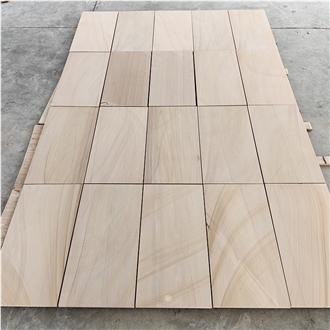
Spains Grain Sandstone is a sedimentary rock that is typically used in a variety of architectural applications, including exterior projects. It has a unique grainy texture and warm tones that make it visually appealing. However, its suitability for exterior applications in cold climates may depend on several factors:
1. Freeze-Thaw Durability: One of the most critical considerations is the stones ability to withstand repeated freeze-thaw cycles. In cold climates, moisture can penetrate the stones pores, freeze, and expand, causing cracks and deterioration over time. For exterior use in cold climates, it is important to ensure that Spains Grain Sandstone has a low water absorption rate and is frost-resistant.
2. Density and Porosity: The stones density and porosity can also impact its durability in cold climates. Higher-density stone with lower porosity generally has better freeze-thaw resistance and is less likely to absorb and retain water. Therefore, it is crucial to assess the stones physical properties and consult with experts to ensure it can withstand the climatic conditions.
3. Sealing and Maintenance: Proper sealing and regular maintenance can enhance the stones performance in exterior applications. Applying a high-quality sealant can help protect the stone from moisture penetration and slow down its deterioration in cold climates. Routine cleaning and inspection can also identify any potential issues and allow for timely repairs.
Before using Spains Grain Sandstone in exterior applications in cold climates, it is advisable to consult with local experts, architects, or stone suppliers who are familiar with the specific properties and performance of this stone in such conditions. They can provide valuable guidance and determine whether additional precautions or considerations are necessary to ensure the stones longevity and performance.


 Spain

 14YR

 China





 United States


 Italy
 India

 United Kingdom


