


 Iran
Can Iran's Mahabad White Onyx be used exterior applications in cold climates?
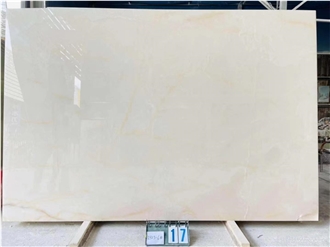
Irans Mahabad White Onyx is a type of natural stone that is known for its beauty and luxurious appearance. However, when it comes to using it in exterior applications, particularly in cold climates, there are certain considerations to keep in mind.
1. Durability: White onyx is a softer and more porous stone compared to other types of natural stone such as granite or quartzite. This makes it more prone to cracking or damage in harsh weather conditions, including freezing temperatures. Therefore, it may not be the best choice for exterior applications in cold climates, as it may not be able to withstand the freeze-thaw cycles.
2. Moisture Absorption: White onyx has a high moisture absorption rate, which means it can absorb water and moisture more easily. In cold climates, where freeze-thaw cycles are common, this can lead to the expansion and contraction of the stone, causing damage over time.
3. Slipperiness: Onyx is generally smoother and more slippery compared to other natural stones. In exterior applications, this can be a concern, especially in cold climates where ice and snow can accumulate, making the surface slippery and hazardous.
4. Maintenance: White onyx requires regular sealing and maintenance to protect it from potential damage caused by moisture and extreme temperatures. In cold climates, where the stone may be exposed to freezing temperatures, this maintenance requirement may increase.
Given these considerations, it is generally not recommended to use Irans Mahabad White Onyx in exterior applications in cold climates. It is more suitable for interior applications such as countertops, fireplaces, or wall claddings, where it is not exposed to extreme temperature fluctuations or moisture.


 Italy


 China


 9YR






 Turkey

 Pakistan


 Kyrgyzstan

 India
