Post Your Needs

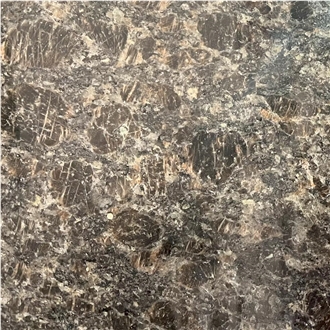
Middle Eastern Gray Granite

Brown - Granite

China

About

Item Details

Material Type:
Granite
Origin:
China
Primary Color(s):
Brown
Recommended Usage:
Building stone,countertops, sinks, monuments, pool coping, sills, ornamental stone, interior, exterior, wall, floor , paving
Additional Names:
Middle Eastern Grey Granite, Middle East Gray Granite, Middle East Grey Flower Granite, Steel Gray Granite, Silver Grey Granite, Steel Grey Granite, in China stone market:中东灰麻(Zhōngdōng huī má), Middle Eastern Gray Granite
Finished Surface:
Polished, Sawn Cut, Sanded, Rockfaced, Sandblasted, Tumbled, Flamed

Description

Middle Eastern Gray Granite is a kind of earth grey to brown granite quarried in China. This stone is especially good for Building stone,countertops, sinks, monuments, pool coping, sills, ornamental stone, interior, exterior, wall, floor , paving and other design projects. It also called Middle Eastern Grey Granite, Middle East Gray Granite, Middle East Grey Flower Granite, Steel Gray Granite, Silver Grey Granite, Steel Grey Granite,in China stone market:中东灰麻(Zhōngdōng huī má) . Middle Eastern Gray Granite can be processed into Polished, Sawn Cut, Sanded, Rockfaced, Sandblasted, Tumbled, Flamed and so on.

FAQ

How thick is China's Middle Eastern Gray Granite slabs?

The thickness of Chinas Middle Eastern Gray Granite slabs can vary depending on the specific product and customer requirements. On average, these slabs are typically available in thicknesses of 2 cm (0.78 inches) and 3 cm (1.18 inches). However, other thickness options such as 1.8 cm (0.7 inches) and 2.5 cm (0.98 inches) may also be available.

How can I drill a hole in place for the faucet outlet in the Middle Eastern Gray Granite kitchen countertop?

Drilling a hole in a Middle Eastern Gray Granite kitchen countertop for a faucet outlet requires careful planning and execution to prevent damage to the countertop. Heres a step-by-step guide to help you accomplish this task: 1. Gather the necessary tools and materials: Youll need a diamond hole saw drill bit compatible with granite, a variable speed drill, masking tape, a marker, water, and a spray bottle. 2. Measure and mark the holes location: Determine the appropriate placement for your faucet outlet and use a marker to clearly indicate the center of the hole on the countertop. 3. Protect the countertop: Apply a strip of masking tape around the area you marked. This will serve as a protective barrier, reducing the risk of the drill bit slipping and preventing the granite from chipping. 4. Lubricate the hole saw drill bit: Diamond hole saws generate a lot of heat, so its crucial to keep them cool throughout the drilling process to prevent damage. Fill the spray bottle with water and mist the diamond hole saw drill bit. 5. Start drilling: Position the drill bit on the marked center point and align it properly. Begin drilling at a slow speed, applying gentle and steady pressure. Allow the hole saw to do the work; you dont want to force it or apply too much pressure. 6. Maintain proper lubrication: Periodically spray water onto the granite surface and the drill bit to prevent overheating. This will help to cool down the granite and prolong the life of your drill bit. 7. Check the progress: Pause drilling occasionally to inspect the holes depth. This will help you ensure that youre making progress and prevent drilling through the granite countertop entirely. 8. Complete the hole: Continue drilling until youve reached the desired depth for your faucet outlet. Be cautious towards the end to prevent damaging the granite countertop by drilling too far. 9. Clean up: Remove the masking tape and wipe down the countertop to clear away any granite residue or dust left from the drilling process. Remember to exercise caution while drilling and take necessary safety precautions, such as wearing eye protection and securing the countertop to prevent movement. If youre uncomfortable with drilling into the countertop yourself, consider consulting a professional to perform the task for you.

What type of abrasive should I use to polish the Middle Eastern Gray Granite surface?

To polish a Middle Eastern Gray Granite surface, you can use diamond abrasives. Diamond polishing pads or diamond polishing paste are commonly recommended for polishing granite surfaces. They have a high hardness and are capable of effectively polishing the hard surface of granite. It is important to use the appropriate grit size of diamond abrasive pads, starting with coarser pads to remove any imperfections or scratches, and then gradually moving to finer grits for a smoother and shinier finish.

What type of saw blade should I use to dry cut 2cm thick Middle Eastern Gray Granite?

For dry cutting 2cm thick Middle Eastern Gray Granite, you can use a diamond blade specifically designed for granite cutting. A continuous rim diamond blade or a turbo rim diamond blade with cooling holes would be suitable for dry cutting granite. These blades are designed to provide clean and precise cuts on granite materials. Make sure to follow the manufacturers instructions and take necessary safety precautions while using the saw blade.

What type of cutting blade should I use to cut 2cm thick Middle Eastern Gray Granite?

To cut 2cm thick Middle Eastern Gray Granite, it is recommended to use a diamond cutting blade specifically designed for cutting granite. Diamond blades are known for their ability to cut through hard materials like granite efficiently and smoothly. Additionally, make sure that the blade is compatible with the type of saw you are using and follow all safety precautions.

Will Middle Eastern Gray Granite kitchen top crack from heat?

While Middle Eastern Gray Granite is a durable and heat-resistant material, it is still susceptible to cracking under extreme temperature changes or direct heat. Granite countertops can handle normal kitchen heat, such as hot pots and pans, but it is important to use trivets or hot pads to prevent thermal shock and minimize direct heat exposure. Placing extremely hot items directly on the granite surface or exposing it to sudden temperature changes, such as pouring cold water on a hot surface, can potentially cause cracks or damages. It is advisable to use precautionary measures and protect the surface of your granite kitchen top to maintain its longevity and avoid any potential cracks.

Is Middle Eastern Gray Granite countertop resistant to heat?

Yes, Middle Eastern Gray Granite countertops are highly resistant to heat. Granite is formed by the cooling and solidification of molten magma, which makes it very durable and heat-resistant. It is capable of withstanding high temperatures without being damaged or discolored. However, it is still recommended to use trivets or hot pads under hot pots and pans to avoid potential damage or thermal shock to the countertop.

Is Middle Eastern Gray Granite good for outdoor steps?

Yes, Middle Eastern Gray Granite is a durable natural stone option that is commonly used for outdoor applications such as steps. It is known for its strength, resistance to weather and wear, and low maintenance requirements. Additionally, its gray color can complement a wide range of architectural styles and landscaping designs.

How do I anchor a railing to Middle Eastern Gray Granite stair steps?

To anchor a railing to Middle Eastern Gray Granite stair steps, you will need the following materials and tools: Materials: 1. Stainless steel or high-grade metal railing post 2. Stainless steel or metal railing bracket or flange 3. Stainless steel or metal screws 4. Epoxy adhesive or construction adhesive suitable for granite Tools: 1. Power drill 2. Masonry drill bit 3. Screwdriver or screw gun 4. Measuring tape 5. Level Here are the steps to anchor a railing: 1. Measure and mark the appropriate height and position for your railing on the stair steps. Ensure it complies with local building codes and regulations. 2. Position your railing post at the desired location, making sure it is plumb (level vertically) using a level. Mark the hole locations for drilling. 3. Use a masonry drill bit suitable for granite and drill holes into the granite stair steps at the marked locations. The size of the drill bit should match the size of the screws or anchors you will be using. 4. Remove any debris from the drilled holes. 5. Apply epoxy adhesive or construction adhesive into the drilled holes. 6. Insert the railing post into the holes while the adhesive is still wet. Ensure it is aligned correctly and plumb using a level. Hold it in place until the adhesive is cured as per the adhesive manufacturers instructions. 7. Once the post is securely in place, attach the railing bracket or flange to the post using stainless steel or metal screws. Make sure it is positioned correctly to support the railing. 8. Finally, attach the railing to the bracket or flange. Note: It is advisable to consult with a professional or experienced contractor for guidance and support, especially if you are not familiar with working with granite and installing railings.

How do I attach Middle Eastern Gray Granite to steel?

To attach Middle Eastern Gray Granite to steel, you can follow these steps: 1. Clean the steel surface: Ensure that the steel surface is clean, dry, and free from any dirt, dust, grease, or debris. Use a cleaning solution or mild detergent to wipe down the steel surface thoroughly. Rinse with water and allow it to dry completely. 2. Use a suitable adhesive: Choose an adhesive that is strong enough to bond granite to steel. Epoxy-based adhesives or construction-grade adhesive products specifically designed for bonding stone to metal are commonly used. Make sure to select an adhesive that is compatible with both granite and steel. 3. Prepare the granite surface: Clean the granite surface using a stone cleaner or mild soap solution, and rinse it thoroughly. Dry the granite surface completely before proceeding. 4. Apply the adhesive: Follow the manufacturers instructions for applying the adhesive. Typically, you will mix the two-part epoxy adhesive according to the given ratio and use a putty knife or a trowel to apply it evenly onto the steel surface. Be careful not to apply excessive amounts of adhesive. 5. Position the granite: Carefully place the granite slab onto the adhesive-coated steel surface, ensuring it aligns correctly and fits properly. Apply gentle pressure evenly across the surface of the granite to ensure good contact with the adhesive. 6. Secure the granite: Use clamps or weights to hold the granite securely in place while the adhesive cures. The curing time can vary depending on the adhesive used, so refer to the manufacturers instructions for the recommended curing time. 7. Clean up excess adhesive: Once the adhesive has cured, remove any excess adhesive that might have squeezed out from the edges using a plastic scraper or putty knife. Clean the granite surface with a suitable stone cleaner to remove any adhesive residue. Note: It is essential to follow the manufacturers instructions for both the adhesive and granite manufacturers recommendations for attaching granite to steel, as different products and materials may have varying specifications and requirements. It is also recommended to seek professional advice if you are unsure or inexperienced in working with these materials.

Products & Prices

Hot Brown Granite

New Granite

Post Your Request

The request includes:
  1. surface finished, size
  2. quantity required