Post Your Needs

Persa Brown Granite

Brown - Granite

Brazil

About

Item Details

Material Type:
Granite
Origin:
Brazil (Pena, Minas Gerais)
Primary Color(s):
Brown
Recommended Usage:
countertops, mosaic, exterior - interior wall and floor applications, stairs, fountains, pool and wall capping
Additional Names:
Persa Brown, Chocolate Bordeaux Granite, Terra Nuova Granite, Antique Persa Brown Granite, Juparana Persa Brown Granite, Granito Cafe Bordeaux, Brown Persa Granite, Persa Brown Granite
Finished Surface:
Polished,Flamed,Bush Hammered,Tumbled,Brushed,Honed,Split,Machine Cut,Natural Surface,Sandblasted,Acid Washing,Combed,Leathered,Water Jet,Filled,Chiseled,Pickling

Description

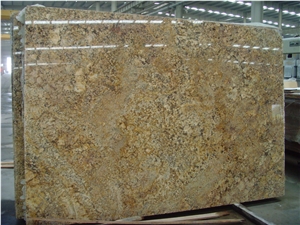
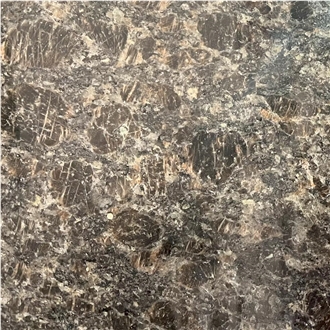
Persa Brown Granite is a stunning natural stone known for its primarily brown color scheme with additional flecks of black, white, and grey minerals dispersed throughout the surface. The background color of the granite can range from light to dark brown, giving it a versatile appearance that complements various design styles.

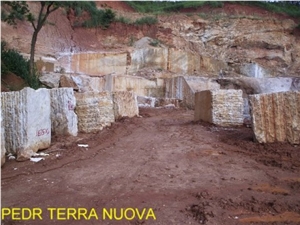
This granite variety originates from quarries in Brazil, a country renowned for its diverse and high-quality stone deposits. Due to the uniqueness of each quarry and the specific block of stone, there may be slight variations in the overall color and texture, making each slab of Persa Brown Granite one-of-a-kind.

The texture of Persa Brown Granite can be described as medium to coarse grain, which adds to its visual appeal and character. The coarse grain contributes to a textured appearance, while the medium grain ensures that the stone maintains a sense of elegance and sophistication.

Two common finishes for Persa Brown Granite are polished and honed. A polished finish highlights the natural luster of the stone, enhancing its colors and patterns, while a honed finish offers a smooth, matte appearance that is more understated but equally attractive.

Due to its durability, Persa Brown Granite is a popular choice for various applications in interior and exterior design, such as countertops, flooring, wall cladding, and even decorative elements. The unique combination of brown with specks of black, white, and grey grants it a timeless and earthy aesthetic that can effortlessly elevate the ambiance of any space.

Keep in mind that natural stone like Persa Brown Granite may require sealing to protect it from stains and maintain its appearance over time. Regular maintenance and care will ensure that the stone remains beautiful and functional for years to come.

FAQ

What is the standard height of a Persa Brown Granite balustrade?

The standard height of a Persa Brown Granite balustrade can vary depending on the specific application and design requirements. However, a typical height for a balustrade is around 36 inches (or 91 centimeters). It is important to note that building codes and regulations may dictate specific height requirements for safety reasons, so its advisable to consult local guidelines and regulations when determining the height of a balustrade.

What is the best homemade cleaner for granite?

A popular homemade cleaner for granite is a mixture of water and mild dish soap. To make this cleaner, simply mix a few drops of mild dish soap with warm water in a spray bottle. Shake the bottle to mix the ingredients thoroughly. You can then spray the solution onto the granite surface and wipe it clean with a soft cloth. This homemade cleaner is effective at removing dirt, grease, and grime from granite without damaging or dulling its surface.

What is the average weight of a 2cm thickness granite slab?

The average weight of a 2cm thickness granite slab can vary depending on the specific density of the granite being used. On average, granite has a density of about 2.75 grams per cubic centimeter (g/cm3). To calculate the weight of a granite slab, you need to know the dimensions of the slab (length, width, and thickness) and multiply them by the density of the granite. Assuming a standard slab of 1 square meter in surface area (100 cm x 100 cm) and 2 cm thickness, the volume would be 100 cm x 100 cm x 2 cm = 20,000 cm3. Multiplying this volume by the granite density (2.75 g/cm3), the weight of the slab would be 20,000 cm3 x 2.75 g/cm3 = 55,000 grams or 55 kilograms. Therefore, the average weight of a 2cm thickness granite slab would be around 55 kilograms.

What are the types of kitchen countertop edge profiles?

There are several types of kitchen countertop edge profiles to choose from. Some common ones include: 1. Straight Edge: A simple, straight edge with a squared-off finish. This minimalistic design is often used for modern and contemporary kitchen styles. 2. Beveled Edge: This edge profile features a slight sloping angle along the top edge of the countertop. It adds a subtle decorative touch while also minimizing sharp corners. 3. Bullnose Edge: This is a rounded edge profile that creates a smooth, soft curve along the top and bottom edges of the countertop. It is a popular choice for traditional and transitional kitchen designs. 4. Ogee Edge: The ogee edge has an elegant, S-shaped curve and adds a decorative touch to the countertop. It is commonly seen in more traditional and formal kitchen styles. 5. Eased Edge: This edge profile features a slightly rounded top edge, providing a simple and clean look. It is a versatile option that works well with many kitchen design styles. 6. Waterfall Edge: A dramatic and contemporary option, the waterfall edge extends from the top of the countertop straight down to the floor, creating a continuous and seamless look. 7. Half Bullnose Edge: This edge profile features a rounded top edge but with a straight bottom edge. It offers a softer and curved look while maintaining some square lines. 8. Laminated Edge: In a laminated edge profile, an additional strip of the countertop material is applied to the edge, giving it a thicker and more substantial appearance. This type of edge profile can help create a statement look for your kitchen. These are just a few examples of the various edge profiles available, and there may be additional custom options as well. The choice of edge profile depends on personal preference, kitchen style, and the desired level of decorative detail.

What is the best natural stone for kitchen countertops?

There are several natural stone options that are commonly used for kitchen countertops, and the best one will depend on personal preference, budget, and specific needs. However, some popular choices for natural stone kitchen countertops include: 1. Granite: Granite is a durable and heat-resistant stone available in a wide range of colors and patterns. It is highly resistant to scratches and stains and provides a polished look to the kitchen. 2. Marble: Known for its elegance and beauty, marble countertops are often sought after for their unique veining and color options. However, marble is softer and more prone to staining and etching than some other stones, so regular sealing and maintenance is required. 3. Quartzite: Quartzite is a natural stone that resembles marble but is harder and more durable. It is resistant to scratches, heat, and stains, making it a popular choice for kitchen countertops. 4. Soapstone: Soapstone is a natural stone with a smooth texture and matte finish. It is non-porous, heat-resistant, and highly durable. Soapstone is also naturally bacteria-resistant, making it a hygienic choice for kitchen countertops. 5. Slate: Slate is a dense and durable natural stone that comes in various shades of gray, black, green, and red. It has a unique texture and is resistant to stains, scratches, and heat. Ultimately, the best natural stone for kitchen countertops will depend on individual preferences and requirements, as each stone has its own unique characteristics and benefits. It is recommended to visit showrooms or consult with a professional to see and learn more about different natural stone options before making a decision.

What is the coefficient of friction of Filled Brazil's Persa Brown Granite tiles?

The coefficient of friction for Filled Brazils Persa Brown Granite tiles is not readily available information as it can vary depending on factors such as surface finish, texture, and conditions of use. To determine the coefficient of friction specific to this type of tile, it is best to consult the supplier, manufacturer, or refer to technical documentation for this particular granite tile.

What colors of granite are least expensive?

The least expensive colors of granite tend to be those in neutral shades such as white, beige, and light gray. These colors are more readily available and have a higher supply, which helps lower their prices.

Can Brazil's Persa Brown Granite be used in landscaping?

Yes, Brazils Persa Brown Granite can be used in landscaping. This type of granite is known for its durability, resistance to weathering, and attractive brown color with various tones and patterns. It can be used for a range of landscaping applications such as outdoor walkways, patios, driveways, garden walls, retaining walls, and decorative features. The natural beauty and strength of Persa Brown Granite make it a popular choice for both residential and commercial landscaping projects.

How thick is Brazil's Persa Brown Granite slabs?

The thickness of Brazils Persa Brown Granite slabs can vary depending on the specific supplier and customer preferences. However, common thickness options for granite slabs range from 2 centimeters (0.79 inches) to 3 centimeters (1.18 inches).

Products & Prices

View More

Hot Brown Granite

New Granite

Post Your Request

The request includes:
  1. surface finished, size
  2. quantity required