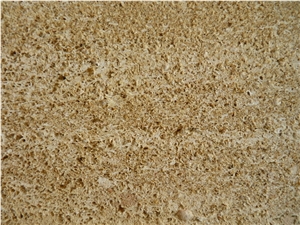
Pont du Gard Limestone

About
Item Details
- Material Type:
- Limestone
- Origin:
France (Castillon-du-Gard, Vers-Pont-du-Gard, Languedoc-Roussillon) - Primary Color(s):
- Gold
- Recommended Usage:
- Monuments, building stone, ornamental stone, stairs, interior, exterior wall and floor applications, mosaic, wall panels, reliefs, window sills, balustrades, columns, wall and pool copings, pool pavers, sculptures, fireplaces, cobbles, pavers, curbstone
- Additional Names:
- Pierre du Gard, Limestone Pont du Gard, Pierre du Pont-du-Gard, Pierre Pont du Gard, Pont-du-Gard, Vers Pont du Gard, Pierre de Vers, Castillon du Gard, Pont-Du-Gard Castillon, Pont du Gard Jaune Limestone, Pierre Calcaire Pont du Gard, Pont du Gard Limestone
- Finished Surface:
- Bush Hammered,Tumbled,Brushed,Honed,Split,Machine Cut,Natural Surface,Sandblasted,Combed,Leathered,Water Jet,Filled,Chiseled,Pickling
Testing
- Density:
- 1700 - 2000 kg/m3
- Compressive Strength:
- 7 - 10 MPa
- Stone texture:
- medium grain shelly, golden-beige limestone
Description
Pont du Gard Limestone is a medium-grain, shelly limestone known for its rich, golden-beige hue. This limestone is quarried in the region surrounding Castillon-du-Gard and Vers-Pont-du-Gard in the Languedoc-Roussillon area of France. Its distinctive color and texture have made it a popular choice in building and decorative projects.
Physical and Mechanical Properties
- Water Absorption: Typically low, but specific values can vary based on porosity.
- Density: Ranges between 1700 - 2000 kg/m³.
- Flexural Strength: Information not specified but generally considered adequate for limestone applications.
- Compressive Strength: Ranges from 7 - 10 MPa.
- Hardness: Medium, typical for limestone, providing a balance between workability and durability.
- Porosity: Generally medium, affects water absorption and thermal properties.
- Slip Resistance: Can vary based on finish; surfaces can be treated to enhance slip resistance.
Chemical and Mineral Composition (% by Weight)
- Calcium Carbonate (CaCO₃): Major component, typically around 90-95%.
- Silica (SiO₂): Usually a minor component, around 2-5%.
- Alumina (Al₂O₃): Trace amounts, usually less than 1-2%.
- Iron Oxides (Fe₂O₃): Gives color to the stone, typically less than 1%.
- Other Minerals: May include trace elements and organic materials contributing to its characteristic features.
Usage
- Construction: Ideal for both interior and exterior applications due to its durability and aesthetic appeal.
- Flooring: Common in public and private spaces, appreciated for its natural look.
- Wall Cladding: Adds elegance to both interior and exterior walls.
- Architectural Features: Used in columns, balustrades, and ornamental elements.
- Furniture and Decor: Utilized in creating tables, benches, and decorative items.
Maintenance
- Cleaning: Regular cleaning with a neutral pH cleaner to maintain appearance.
- Sealants: Recommended to use sealants to protect against staining and enhance durability.
- Repairs: Chips and cracks can be repaired by professional stone restoration services.
Cutting Sizes (cm)
- Typical sizes include but are not limited to:
- Tiles: 30x30, 30x60, 60x60
- Slabs: Custom sizes, usually thickness ranging from 2-5 cm
Common Surface Finish Options
- Polished: Provides a glossy finish, enhancing the stone's color and patterns.
- Honed: Smooth, matte finish which reduces slipperiness and glare.
- Brushed: Offers a textured, aged appearance.
- Tumbled: Creates a rustic, antique look with rounded edges.
Pont du Gard Limestone's elegance, durability, and versatility make it a sought-after material for various architectural and decorative uses. Its maintenance requirements and finishing options provide ample opportunity for customization to suit specific project needs.
FAQ
The Pont du Gard is an ancient Roman aqueduct bridge in France that was constructed using limestone. Limestone is a popular building material due to its durability and aesthetic appeal. However, when considering its use in exterior applications in very rainy climates, some factors should be taken into account.
Limestone is generally resistant to water and can withstand occasional rainfall. However, in consistently wet or humid conditions, it may be prone to deterioration over time. In very rainy climates, the constant exposure to moisture can result in erosion and the growth of algae or moss on the surface.
To ensure the Pont du Gard Limestone (or any limestone) retains its integrity in a very rainy climate, proper care and maintenance are essential. Applying a high-quality sealant or water repellent can help protect it from water infiltration and minimize the potential for damage. Regular cleaning to remove dirt, grime, and biological growth is also important.
Furthermore, its important to consult with professionals who have experience working with limestone in similar weather conditions. They can provide specific advice on sealants, maintenance routines, and any other considerations to ensure that the limestone remains durable and aesthetically pleasing in an exterior application in a very rainy climate.
Can France's Pont du Gard Limestone be used in a kitchen?
Yes, Frances Pont du Gard Limestone can be used in a kitchen. Limestone is a durable and versatile natural stone that is often used for kitchen countertops, backsplashes, and even flooring. Its classic and timeless appearance adds a touch of elegance to any kitchen design. However, it is recommended to seal the limestone to protect it from stains and scratches, as it is a porous material. Additionally, proper care and maintenance are necessary to ensure the longevity and beauty of the limestone in a kitchen environment.
What is the coefficient of friction of Water Jet Cut France's Pont du Gard Limestone tiles?
I apologize, but I couldnt find specific information about the coefficient of friction of Water Jet Cut Frances Pont du Gard Limestone tiles. It would be best to contact the manufacturer or supplier directly for this information.
Can France's Pont du Gard Limestone be used in landscaping?
Yes, Frances Pont du Gard Limestone can be used in landscaping. This limestone is known for its durability, beauty, and versatility, which makes it well-suited for various landscaping applications. It can be used to create paths, driveways, patios, retaining walls, garden borders, and other decorative elements in outdoor spaces. Additionally, its natural, earthy tones complement various landscape designs and can add a touch of elegance to any garden or outdoor area.
How thick is France's Pont du Gard Limestone slabs?
The limestone slabs used in the construction of Pont du Gard range in thickness. The average thickness of the slabs is around 30 centimeters (12 inches), but they can vary between 20 to 50 centimeters (8 to 20 inches) depending on the specific section of the bridge.
What grade is France's Pont du Gard Limestone?
The Pont du Gard Limestone in France is classified as Grade 0, which is considered to be of the highest quality. It has a very fine grain and is known for its durability and beauty.
Are there color variations of France's Pont du Gard Limestone?
Yes, there can be some color variations in Frances Pont du Gard limestone. The limestone can range from light beige to a darker beige or even a light gray color. The exact color and variations of the limestone can depend on factors such as the location of the quarry and the specific layer of rock being extracted. Additionally, natural variations in the stone can occur due to factors such as mineral content and exposure to the elements over time.
Is France's Pont du Gard Limestone an expensive stone?
I do not have access to the current market prices for Pont du Gard limestone. However, the Pont du Gard limestone is a highly prized stone due to its beauty, durability, and historical significance. It is often used for high-end building projects such as elegant flooring, luxurious countertops, and decorative fa?ades. Therefore, it is likely to be a relatively expensive stone compared to other types of limestone.