Post Your Needs

Red Vein Sandstone

Red - Sandstone

China

About

Item Details

Material Type:
Sandstone
Origin:
China
Primary Color(s):
Red
Recommended Usage:
Monuments, building stone, ornamental stone, stairs, interior, exterior wall and floor applications, mosaic, wall panels, reliefs, window sills, balustrades, columns, wall and pool copings, pool pavers, sculptures, fireplaces, cobbles, pavers, curbstone
Additional Names:
Red Wooden Sandstone, Red Vein Sandstone, Red Wooden Vein Sandstone, Cinnabar Red Sandstone, Vermilion Red Sandstone, in China stone market:朱砂红(zhū shā hóng), Red Vein Sandstone
Finished Surface:
Polished,Flamed,Bush Hammered,Tumbled,Brushed,Honed,Split,Machine Cut,Natural Surface,Sandblasted,Acid Washing,Combed,Leathered,Water Jet,Filled,Chiseled,Pickling

Testing

Water Absorption:
0.5% – 1.0% by weight
Density:
2450 – 2580 kg/m³
Flexural Strength:
10 – 12 MPa
Compressive Strength:
0.5% – 1.0% by weight

Description

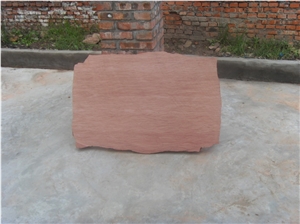
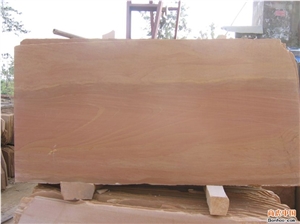
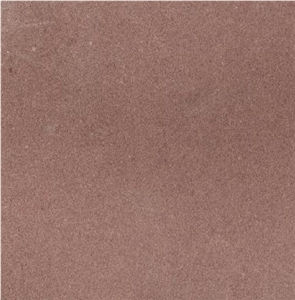
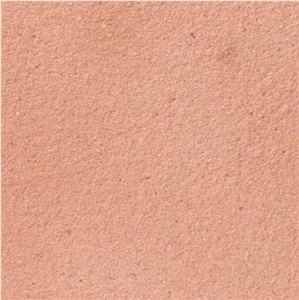
Red Vein Sandstone is an elegant and distinctive natural stone quarried in China, known for its light brown base adorned with vermillion red and brick-red shades, creating a captivating wooden-textured veining pattern. The medium-grain structure and unique linear veins give it a sophisticated, natural wood-like appearance, making it a popular choice for interior and exterior applications.

Texture and Pattern

  • Base Color: Predominantly light brown, offering a warm and earthy aesthetic.
  • Veining: Linear, vein-like patterns in vermillion red and brick-red shades, resembling a wooden texture.
  • Grain Size: Medium grain, contributing to its natural and rugged texture.
  • Pattern Consistency: Moderate variation, with natural shifts in color intensity and vein direction.
  • Surface Texture: Smooth when polished, but also available in textured finishes that enhance its natural grain. 

Test Results and Technical Specifications

  • Density: 2450 – 2580 kg/m³
  • Compressive Strength: 110 – 120 MPa
  • Flexural Strength: 10 – 12 MPa
  • Water Absorption: 0.5% – 1.0% by weight
  • Porosity: Medium, requiring sealing to prevent moisture absorption.
  • Slip Resistance: High slip resistance in honed, brushed, or sandblasted finishes.

Chemical and Mineral Composition (% by weight)

  • Quartz (SiO2): 65% – 72%
  • Feldspar (K2O, Na2O·Al2O3·SiO2): 12% – 16%
  • Clay Minerals (Kaolinite): 6% – 8%
  • Iron Oxides (Fe2O3): 2% – 4% (responsible for the red and brick hues)
  • Calcite (CaCO3): 1% – 2%
  • Mica: 1% – 2%

Hardness and Durability

  • Mohs Hardness: 6 – 7, ensuring high resistance to scratches and abrasion.
  • Durability: Excellent weathering resistance, making it suitable for both interior and exterior applications.
  • Weather Resistance: Performs well in freeze-thaw conditions, heat, and humidity.
  • Abrasion Resistance: Good resistance to wear and tear, making it ideal for high-traffic areas.

Usage and Applications

Red Vein Sandstone’s aesthetic appeal and durability make it versatile for a wide range of applications: 

  • Interior Applications: Wall cladding, feature walls, fireplace surrounds, and accent walls. 
  • Flooring: Ideal for high-traffic areas in homes, hotels, and commercial buildings.
  • Countertops and Vanity Tops: Adds warmth and natural beauty to kitchens and bathrooms. 
  • Staircases and Thresholds: Provides an elegant and robust finish to stairways and thresholds. 
  • Exterior Applications: Suitable for paving, garden paths, patios, and outdoor facades. 
  • Landscaping: Used for retaining walls, steps, and decorative outdoor features. 

Maintenance and Care

  • Sealing: Annual sealing is recommended to protect against stains, moisture, and weathering.
  • Cleaning: Use a pH-neutral stone cleaner to maintain the surface’s natural beauty. Avoid acidic or abrasive cleaners.
  • Stain Prevention: Wipe spills immediately, especially acidic substances, to prevent discoloration.
  • Re-polishing: Periodic re-polishing can help restore the sandstone’s natural sheen.

Cutting Sizes and Thickness Options

Slab Sizes:

  • Standard slab dimensions range from 240 – 300 cm x 120 – 160 cm (94 – 118 inches x 47 – 63 inches).

Tile Sizes:

Available in custom sizes based on project requirements:

  • 60 x 60 cm (24 x 24 inches)
  • 30 x 60 cm (12 x 24 inches)
  • 60 x 120 cm (24 x 48 inches)
  • Other custom dimensions available upon request.

Thickness Options:

  • 2 cm (0.79 inches) – Preferred for wall cladding and flooring.
  • 3 cm (1.18 inches) – Ideal for heavy-duty applications such as countertops and stair treads. 

Surface Finish Options 

  • Polished: Enhances the warm tones and veining, providing a glossy and reflective surface. 
  • Honed: Offers a smooth, matte finish that highlights the wooden texture and natural pattern. 
  • Brushed/Leathered: Adds a textured, natural feel, enhancing the grain and veining. 
  • Sandblasted: Creates a slip-resistant surface, ideal for outdoor applications.
  • Tumbled: Gives the stone an aged, antique appearance, suitable for rustic and traditional settings.

Packaging and Shipping

  • Slabs: Packed securely in wooden bundles with reinforced straps to prevent breakage during transport.
  • Tiles: Packed in wooden crates with foam and plastic protection for safe handling.

Red Vein Sandstone’s distinctive wooden texture, warm earthy tones, and exceptional durability make it an excellent choice for both residential and commercial design projects.

FAQ

Can China's Red Vein Sandstone be used in floor coverings?

Yes, Chinas Red Vein Sandstone can be used in floor coverings. Red Vein Sandstone is a type of sandstone known for its deep red color with veins or bands of contrasting hues. It is strong, durable, and has good weather resistance, making it suitable for various applications, including flooring. The rich color and unique patterns of the Red Vein Sandstone can add a distinctive and natural aesthetic to floors, making it a popular choice for both indoor and outdoor flooring projects.

Can China's Red Vein Sandstone be used exterior applications in very humid climates?

Yes, Chinas Red Vein Sandstone can be used in exterior applications in humid climates. Sandstone is generally known for its durability and ability to withstand various weather conditions, including humidity. However, it is important to note that the performance of any stone material can also depend on its specific characteristics and quality. It is recommended to consult with a stone supplier or professional architect to ensure the suitability and proper installation of the stone in a specific climate.

Can China's Red Vein Sandstone be used in a office?

Yes, Chinas Red Vein Sandstone can be used in an office setting. Red Vein Sandstone is known for its striking red color with veins or patterns, which can add a unique and visually appealing look to the office environment. It is a durable and versatile material that can be used for a variety of applications, including floor tiles, wall cladding, countertops, and even decorative elements like vases or sculptures. However, the suitability of using Red Vein Sandstone in an office ultimately depends on the specific design and style preferences of the individual or organization.

Can China's Red Vein Sandstone be used outdoors?

Yes, Chinas Red Vein Sandstone can be used outdoors. Sandstone is a durable and weather-resistant natural stone that is commonly used for various outdoor applications such as paving, landscaping, wall cladding, and architectural features. The red vein variation of sandstone from China, characterized by its reddish hues and unique vein patterns, can add an attractive and striking look to outdoor areas. However, it is always recommended to consult with a professional or supplier familiar with the specific type of sandstone and its suitability for outdoor use, as different variations of sandstone may have varying levels of durability and resistance to weathering.

Are there color variations of China's Red Vein Sandstone?

Yes, there are color variations of Chinas Red Vein Sandstone. While the majority of Chinas Red Vein Sandstone is characterized by reddish tones with distinctive veining patterns, there can be variations in the intensity and shade of red, as well as the density and distribution of vein patterns. Some stones may exhibit a deeper red color, while others might have a lighter or more orange hue. Additionally, the veining patterns can vary in terms of thickness, color contrast with the main stone color, and overall appearance. These variations can occur due to differences in the mineral composition, geological formations, and regional sources of the sandstone.

How thick is China's Red Vein Sandstone slabs?

The thickness of Chinas Red Vein Sandstone slabs can vary, depending on the specific quarry and customer preferences. However, the commonly available thickness for these slabs is typically around 1.2 to 3 centimeters (0.5 to 1.2 inches).

Is China's Red Vein Sandstone an expensive stone?

I do not have the current market price of Chinas Red Vein Sandstone at the moment. However, the price of natural stones is dependent on various factors such as availability, demand, quality, location, among others. Moreover, prices of stones tend to fluctuate from time to time. Therefore, it is best to contact reputable stone suppliers in China for current information on the cost of Chinas Red Vein Sandstone.

Products & Prices

View More

Hot Red Sandstone

New Sandstone

Post Your Request

The request includes:
  1. surface finished, size
  2. quantity required