Post Your Needs

Scenery Sandstone

Brown - Sandstone

China

About

Item Details

Material Type:
Sandstone
Origin:
China
Primary Color(s):
Brown
Recommended Usage:
Wall and floor applications, fireplaces, mosaic, fountains, pool and wall capping, stairs, window sills
Additional Names:
Brown Wooden Sandstone, Wooden Brown Sandstone, Wood Vein Sandstone, Landscape Sandstone, in China stone market:山水砂岩(Shānshuǐ shāyán), 山水岩(shānshuǐ yán), Scenery Sandstone
Finished Surface:
Sawn Cut, Sanded, Rockfaced, Sandblasted, Bushhammered, Tumbled, Thermalled, Natural Cleft, Weatheredge

Description

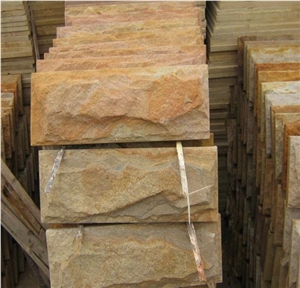
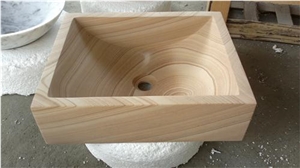
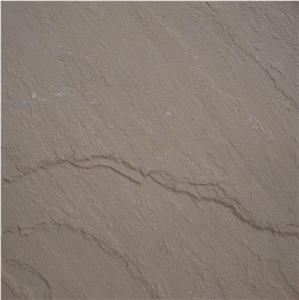
Scenery Sandstone is a kind of light brown wooden vein sandstone quarried in China. This stone is especially good for Wall and floor applications, fireplaces, mosaic, fountains, pool and wall capping, stairs, window sills and other design projects. It also called Brown Wooden Sandstone, Wooden Brown Sandstone, Wood Vein Sandstone, Landscape Sandstone, in China stone market:山水砂岩(Shānshuǐ shāyán),山水岩(shānshuǐ yán) . Scenery Sandstone can be processed into Sawn Cut, Sanded, Rockfaced, Sandblasted, Bushhammered, Tumbled, Thermalled, Natural Cleft, Weatheredge and so on.

FAQ

Is Scenery Sandstone suitable to use for sculpturing?

Yes, Sandstone is a popular choice for sculpturing as it is relatively soft and easy to carve, yet still durable enough to withstand weathering. Scenery Sandstone specifically may have visually appealing patterns and textures that can enhance the aesthetic value of the sculpture. However, the suitability of Sandstone for sculpturing can vary depending on the specific characteristics of the stone and the desired outcome of the sculpture. It is always recommended to consult with a professional sculptor or stonemason to determine the best type of stone for your project.

Does coffee stain the surface of Scenery Sandstone floor tiles?

Yes, coffee can potentially stain the surface of Scenery Sandstone floor tiles. It is important to quickly clean up any spills or stains on the tiles to prevent them from seeping into the porous surface of the stone. Using a mild soap, warm water, and a soft cloth to gently clean the affected area can help prevent staining. It is also recommended to seal the tiles regularly to protect them from stains and spills.

Do fruit juices stain the surface of Scenery Sandstone tiles?

Fruit juices can potentially stain the surface of Scenery Sandstone tiles as they are porous and can absorb liquids. It is recommended to clean up any spills immediately to prevent staining. Using a neutral pH cleaner specifically designed for stone surfaces can help maintain the appearance of the tiles and protect them from staining. It is always a good idea to test any cleaning products or methods on a small, inconspicuous area of the tile before applying it to the entire surface.

What type of abrasive should be used to sandblasting the Scenery Sandstone surface?

The type of abrasive that should be used for sandblasting a Scenery Sandstone surface is typically silica sand or crushed glass. These abrasives are effective at removing dirt, grime, and other surface imperfections without damaging the natural texture of the sandstone. It is important to use the appropriate grit size and pressure to ensure the best results and to avoid causing any damage to the surface.

Is 2cm thick Scenery Sandstone durable enough for use as walkway pavers?

2cm thick Scenery Sandstone may not be durable enough for use as walkway pavers, especially in high traffic areas. Thicker pavers are typically recommended for walkways to ensure they can withstand heavy use and foot traffic over time. Thinner pavers are more prone to cracking and breaking under the pressure of constant use. It is recommended to use thicker and more durable pavers for walkways to ensure longevity and durability.

Does the surface of Scenery Sandstone floor tiles scratch easily?

Scenery Sandstone floor tiles, like most natural stone tiles, are durable and scratch-resistant. They are less likely to scratch compared to softer materials like wood or vinyl. However, while they are relatively scratch-resistant, they can still be scratched by sharp or heavy objects dragged across the surface. Regular cleaning and maintenance can help prevent scratches and keep the tiles looking their best.

Can Scenery Sandstone be used for pool coping?

Yes, Sandstone can be used for pool coping. Sandstone is a popular choice for pool coping due to its natural beauty, durability, and slip-resistant surface. Sandstone coping can provide a stylish and functional finish to your pool area, helping to create a seamless transition from the pool deck to the waters edge. It is important to seal the sandstone to protect it from water damage and staining. Consult with a professional to determine if Sandstone is the right choice for your pool coping needs.

Can Scenery Sandstone be used for kitchen countertop?

Sandstone is not typically recommended for use as a kitchen countertop due to its relatively soft and porous nature. Sandstone is prone to scratching, staining, and chipping, especially in a high-traffic area like a kitchen. It is also not as heat resistant as other types of natural stone like granite or quartz. If you are looking for a natural stone option for your kitchen countertop, granite or quartz would be a better choice as they are more durable and resistant to damage. Alternatively, there are many engineered stone options available that offer the beauty of natural stone with added durability and resistance to stains and scratches.

How can I repair the scratched surface of the Scenery Sandstone steps?

To repair the scratched surface of the Scenery Sandstone steps, you can follow these steps: 1. Clean the steps: Use a mild soap and water solution to clean the steps and remove any dirt or debris from the surface. Let the steps dry completely before proceeding. 2. Assess the damage: Determine the extent of the scratches on the surface of the steps. If the scratches are minor, you may be able to repair them yourself. If the scratches are deep or extensive, you may need to hire a professional to repair the steps. 3. Sand the scratches: Use sandpaper to gently sand the scratches on the surface of the steps. Start with a fine-grit sandpaper and gradually work your way up to a coarser grit if necessary. Be sure to sand in the direction of the grain of the stone to avoid causing further damage. 4. Fill in the scratches: Once the scratches have been sanded down, you can use a stone repair kit or a specialized stone filler to fill in the scratches. Follow the manufacturers instructions for the best results. 5. Seal the steps: After the scratches have been repaired, apply a stone sealant to the surface of the steps to protect them from future damage and maintain their appearance. Follow the manufacturers instructions for the best application method. By following these steps, you should be able to repair the scratched surface of the Scenery Sandstone steps and restore them to their original condition. If you are unsure about how to proceed or if the damage is extensive, consider contacting a professional stone restoration expert for assistance.

Is Scenery Sandstone with a honed surface good for house flooring?

Yes, sandstone with a honed surface can be a good option for house flooring. Sandstone is a durable and long-lasting natural stone that can withstand high foot traffic and is relatively low maintenance. The honed surface finish gives the stone a smooth, matte appearance, making it a popular choice for indoor flooring as it provides a clean and elegant look. Additionally, sandstone comes in a variety of colors, including the warm tones of Scenery Sandstone, which can complement a wide range of interior design styles. It is important to properly seal and maintain sandstone flooring to ensure its longevity and prevent stains and damage.

Products & Prices

View More

Hot Brown Sandstone

New Sandstone

Post Your Request

The request includes:
  1. surface finished, size
  2. quantity required