Post Your Needs

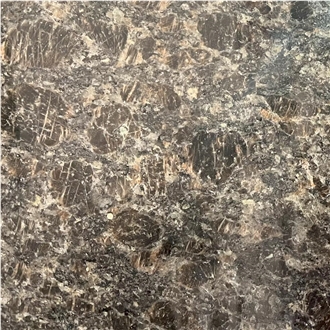
Sienito De Monchique Granite

Brown - Granite

Portugal

About

Item Details

Material Type:
Granite
Origin:
Portugal (Nave, Monte Foia, Serra de Monchique, Algarve)
Primary Color(s):
Brown
Recommended Usage:
Kitchen and bathroom countertops, wash basins, building stone, ornamental stone, stairs, interior, exterior wall and floor applications, mosaic, waterjet pattern, wall panels, table tops, balustrades, columns, wall and pool copings, pool pavers, fireplaces
Additional Names:
Cinzento Monchique Granite, Marrom Monchique Granite, Marron San Luis Granite, Marron Serra Monchique Granite, Monchique St. Luis Granite, Sierra Monchique Granite, Sienita Monchique Granite Granite, Sienito Monchique Granite, in China stone market:树桂冰花(Shù guì bīnghuā), 树挂冰花(Shùguà bīnghuā), Sienito de Monchique, Sienito De Monchique Granite
Finished Surface:
Polished,Flamed,Bush Hammered,Tumbled,Brushed,Honed,Split,Machine Cut,Natural Surface,Sandblasted,Acid Washing,Combed,Leathered,Water Jet,Filled,Chiseled,Pickling

Testing

Water Absorption:
0.42 By Weight %
Density:
2553 kg/m3
Flexural Strength:
178 kg/cm2
Compressive Strength:
856 - 1055 kg/cm2

Description

Sienito De Monchique, often referred to as a nephelinic syenite, is a distinctive stone sourced from the Nave quarry, located in Monte Foia, Serra de Monchique, Algarve, Portugal. This stone is characterized by its medium to coarse grain structure and unique grayish color. The presence of nepheline gives it a notable reddish to brown hue, adding to its allure and making it a favored building material for various applications.

Physical and Mechanical Properties

  • Water Absorption: 0.42% by weight
  • Density: 2553 kg/m³
  • Flexural Strength: 178 kg/cm²
  • Compressive Strength: 856 - 1055 kg/cm²
  • Hardness: Typically ranges between 6 and 7 on the Mohs scale
  • Porosity: Approximately 0.4% to 1.2%
  • Slip Resistance: Medium to high, depending on the surface finish

Chemical and Mineral Compositions (% by weight)

  • Nepheline: Levels vary, contributing to the reddish-brown color
  • Alkali Feldspar: Major component, responsible for the grayish tone
  • Biotite and Hornblende: Present in moderate amounts
  • Quartz: Typically minimal or absent in nepheline syenite
  • Accessory Minerals: May include apatite, magnetite, and zircon
  • Iron Oxides: Contributing to the mineral's natural coloration

Usage and Maintenance

Usage:

  • Building facades and cladding
  • Countertops, vanities, and tabletops
  • Flooring and wall coverings
  • Monuments and sculptures

Maintenance:

  • Regular cleaning with mild, non-acidic detergents
  • Periodic sealing to enhance stain resistance, especially in high-use areas
  • Avoiding harsh chemicals to prevent surface etching or damage

Cutting Sizes (cm)

  • Common Slab Sizes: Typically available in 2-3 cm thickness, standard slab dimensions can range from 200x100 cm to 300x150 cm
  • Tile Sizes: Customizable, but common sizes include 30x30 cm, 60x30 cm, 60x60 cm

Available Common Surface Finish Options

  • Polished: Provides a glossy and reflective surface, enhancing the color and pattern
  • Honed: Offers a smooth, matte finish that retains the color but provides a more understated look
  • Flamed: Yields a textured surface perfect for slip resistance, often used in outdoor applications
  • Bush-Hammered or Brushed: Creates a rustic, aged appearance suitable for both interior and exterior designs

In summary, Sienito De Monchique is a versatile stone due to its aesthetic appeal and durable nature. Its unique color and texture profiles make it suitable for a wide range of architectural and decorative applications, with maintenance routines that ensure its longevity and beauty.

Physical–Mechanical Characteristics

  • Compressive strength: 1,055 kg/cm²
  • Compressive strength after freezing test: 856 kg/cm²
  • Flexural strength: 178 kg/cm²
  • Apparent density: 2,553 kg/m³
  • Water absorption (at atmospheric pressure): 0.25%
  • Open porosity: 0.65%
  • Linear thermal expansion coefficient: 13.8 × 10⁻⁶ / °C
  • Abrasion resistance: 0.5 mm
  • Impact resistance (minimum fall height): 55 cm

Chemical Analysis

  • SiO₂: 54.44%
  • Al₂O₃: 21.64%
  • Fe₂O₃ (total): 3.56%
  • MnO: 0.07%
  • CaO: 1.78%
  • MgO: 0.47%
  • Na₂O: 8.52%
  • K₂O: 6.78%
  • TiO₂: 0.18%
  • P₂O₅: 0.07%
  • H₂O⁺: 1.34%
  • H₂O⁻: 0.31%

FAQ

Can Portugal's Sienito de Monchique Granite be used in floor coverings?

Yes, Portugals Sienito de Monchique Granite can be used in floor coverings. Granite is a popular material for flooring due to its durability, strength, and aesthetic appeal. Sienito de Monchique Granite, with its unique patterns and colors, can add a luxurious and sophisticated touch to any flooring project. It is a versatile material and can be used in various areas such as residential homes, commercial buildings, and outdoor spaces. However, it is recommended to consult with a professional or a knowledgeable supplier to determine the specific suitability and requirements for using Sienito de Monchique Granite as a flooring material in your desired location.

Can Portugal's Sienito de Monchique Granite be used in a dining room?

Yes, Portugals Sienito de Monchique Granite can be used in a dining room. Granite is a popular choice for countertops and tables due to its durability, heat resistance, and aesthetic appeal. Sienito de Monchique Granite, known for its unique patterns and colors, can add a touch of elegance and sophistication to a dining room. It can be used for dining room tables, countertops, or even as an accent wall or flooring material. However, it is always recommended to consult with a professional designer or contractor to ensure the suitability and proper installation of the granite in your specific dining room setting.

Can Portugal's Sienito de Monchique Granite be used exterior applications in very dusty climates?

Yes, Portugals Sienito de Monchique Granite can be used in exterior applications in very dusty climates. Granite is a durable and hard natural stone that is commonly used for various exterior applications such as facades, paving, and cladding. It is known for its resistance to weathering, erosion, and scratching, making it suitable for outdoor use. However, it is important to note that the dusty climate may require regular cleaning and maintenance to keep the surface of the granite free from dust and debris. Regular cleaning with water and a mild detergent can help to remove dust and maintain the aesthetic appeal of the granite in such climates.

What is the coefficient of friction of Filled Portugal's Sienito de Monchique Granite tiles?

The coefficient of friction of Filled Portugals Sienito de Monchique Granite tiles is not readily available as it can vary depending on factors such as the finish, surface texture, and any additional treatments applied to the tiles. To determine the specific coefficient of friction for these tiles, it would be best to consult with the manufacturer or supplier of the tiles.

Are there color variations of Portugal's Sienito de Monchique Granite?

Yes, there are color variations of Portugals Sienito de Monchique Granite. The primary color of Sienito de Monchique Granite is usually a combination of black, white, and gray with small variations in tone and patterns. However, it can also have secondary colors such as reddish-brown, beige, or greenish hues depending on the specific quarry and variations in mineral composition. These variations contribute to the unique and distinctive look of Sienito de Monchique Granite.

How thick is Portugal's Sienito de Monchique Granite slabs?

I do not have access to the most current or specific information, but typically, granite slabs from Portugal, including Sienito de Monchique, usually come in thicknesses ranging from 2 cm to 3 cm (0.79 inches to 1.18 inches). However, thicker slabs may be available upon request. It is recommended to check with the supplier or manufacturer for the specific thickness of the granite slabs.

Can Portugal's Sienito de Monchique Granite be used outdoors?

Yes, Portugals Sienito de Monchique Granite can be used outdoors as it is a durable and weather-resistant material. It is commonly used for paving, cladding, and landscaping projects. However, it is important to note that granite can still be susceptible to staining and discoloration if not properly sealed and maintained.

Is Portugal's Sienito de Monchique Granite an expensive stone?

I do not have access to current market trends or prices for specific products. However, granite is generally considered a high-end and durable material, and its price can vary based on factors such as quality, size, and availability. The Sienito de Monchique Granite from Portugal is known for its unique golden color and striking texture, which may impact its price. It is best to consult with a licensed supplier or a home renovation professional for more information on the current prices of this stone.

Customer reviews

Customer reviews

Write a Review
Ana**** Portugal

Qual o valor do metro quadrado da pedra

Helpful (0) 0Reply

Products & Prices

View More

Hot Brown Granite

New Granite

Post Your Request

The request includes:
  1. surface finished, size
  2. quantity required