Post Your Needs

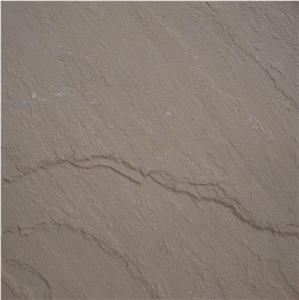
Striped Sandstone

Brown - Sandstone

China

About

Item Details

Material Type:
Sandstone
Origin:
China
Primary Color(s):
Brown
Recommended Usage:
Building stone,sinks, monuments, pool coping, sills, ornamental stone, interior, exterrior, wall, floor , paving
Additional Names:
Dark Striped Sandstone, Brown Striped Sandstone, Purple Wood Grain Sandstone, Purple Wooden Sandstone, Brown Wooden Sandstone, Purple Wood Vein Sandstone, Brown Wooden Vein Sandstone, in China stone market:砂岩条纹(Shāyán tiáowén), Striped Sandstone
Finished Surface:
Sawn Cut, Sanded, Rockfaced, Sandblasted, Bushhammered, Tumbled, Thermalled, Natural Cleft, Weatheredge

Description

Striped Sandstone is a kind of wine red to brown wooden veined sandstone quarried in China. This stone is especially good for Building stone,sinks, monuments, pool coping, sills, ornamental stone, interior, exterrior, wall, floor , paving and other design projects. It also called Dark Striped Sandstone, Brown Striped Sandstone, Purple Wood Grain Sandstone, Purple Wooden Sandstone, Brown Wooden Sandstone, Purple Wood Vein Sandstone, Brown Wooden Vein Sandstone, in China stone market:砂岩条纹(Shāyán tiáowén) . Striped Sandstone can be processed into Sawn Cut, Sanded, Rockfaced, Sandblasted, Bushhammered, Tumbled, Thermalled, Natural Cleft, Weatheredge and so on.

FAQ

How can I repair the scratched surface of the Striped Sandstone steps?

Repairing scratched Striped Sandstone steps requires a gentle approach to maintain the stone’s natural look. Here’s a step-by-step guide to help you with the process: 1. **Clean the Surface**: - Start by sweeping off any loose dirt or debris from the steps. - Use a gentle stone cleaner and a soft brush to remove any remaining dirt and grime. - Rinse thoroughly with clean water and let the stairs dry completely. 2. **Assess the Scratches**: - Examine the extent of the scratches. Minor scratches may be removed through simple polishing, while deeper scratches may require filling. 3. **Polish Minor Scratches**: - For light scratches, you can try using a fine-grit sandpaper (such as 400-grit to 600-grit) or a sanding pad. - Gently sand the scratched area in a circular motion. Take care to not apply too much pressure, which could cause more damage. - Wipe away any dust with a damp cloth and let it dry. 4. **Filling Deep Scratches**: - For deeper scratches, you might need to use a stone repair kit that matches the color of your sandstone. These kits typically include a filler, a mixing container, and a spatula. - Mix the filler according to the manufacturer’s instructions. - Apply the filler to the scratch using the spatula, ensuring its level with the sandstone surface. - Allow the filler to cure as per the manufacturer’s specifications. 5. **Smoothing and Finishing**: - Once the filler is completely cured, use a fine-grit sandpaper to smooth out the surface. - Clean the area to remove any residue. 6. **Seal the Stone**: - After repairs, consider applying a sandstone sealer to protect the steps from future scratches and staining. Use a sealer recommended for outdoor use if the steps are exposed to the elements. - Follow the instructions for application and drying times on the sealer’s label. 7. **Regular Maintenance**: - Regularly sweep and clean your sandstone steps to prevent dirt and grit from scratching the surface. - Promptly clean spills to avoid staining. By following these steps, you should be able to improve the appearance of your sandstone steps and protect them from future damage. If the damage is extensive or the sandstone is of significant value, you might want to consider consulting a professional stonemason for repairs.

Is Striped Sandstone a suitable choice for gravestones?

Choosing a material for gravestones involves considering durability, aesthetics, and personal preferences. Striped sandstone can be a suitable option, but there are several factors to consider: 1. **Durability**: Sandstone is relatively soft compared to other stones like granite or marble. Over time, it may be more susceptible to weathering, especially in harsh climates with freeze-thaw cycles, heavy rain, or acid rain. This could lead to surface erosion and loss of inscriptions over time. 2. **Aesthetics**: Striped sandstone can have unique and attractive patterns due to its natural composition. Its aesthetic appeal might be an important factor if youre looking for something visually distinct. 3. **Maintenance**: Sandstone may require more maintenance than harder stones. It can develop biological growths like moss or lichen in damp environments. Regular cleaning might be necessary to maintain its appearance. 4. **Cost**: Sandstone is often less expensive than other materials like granite or marble. This could be a consideration if budget is a concern. 5. **Cultural and Traditional Considerations**: Some families or cultures have specific traditions or preferences regarding gravestone materials that should be respected. In summary, while striped sandstone can be used for gravestones, its important to weigh its aesthetic qualities against its durability and maintenance requirements. If longevity is a primary concern, you might explore harder materials like granite. Consulting with a local monument provider can also provide more insights specific to your area and needs.

Is Striped Sandstone durable enough for use as outdoor terrace pavers?

Striped sandstone can be used as outdoor terrace pavers, but its suitability largely depends on the specific conditions and the quality of the stone. Here are some factors to consider: 1. **Durability**: Sandstone is generally considered durable, but its durability can vary based on its specific type and the composition of the minerals. Some sandstones are more prone to erosion and weathering, especially if they contain softer minerals. 2. **Porosity**: Sandstone is typically quite porous, which means it can absorb water. In freeze-thaw climates, this can lead to cracking and spalling over time. Sealing the sandstone can help reduce porosity-related issues. 3. **Weather Resistance**: Consider the local climate and weather conditions. Sandstone weathers better in milder climates without severe freeze-thaw cycles. 4. **Maintenance**: Sandstone pavers will require regular maintenance, including sealing to reduce water absorption and potential staining, as well as cleaning to preserve their appearance. 5. **Surface Texture**: The surface texture of the sandstone can affect its slip resistance, which is an important consideration for safety, especially in areas likely to get wet. 6. **Aesthetic Needs**: Striped sandstone can be very visually appealing and can add a natural and unique look to outdoor spaces. If you choose to use striped sandstone for outdoor pavers, ensure proper installation and maintenance, and select a high-quality stone with good weather-resistant properties. Consulting with a local stone supplier or a professional contractor can also help determine if striped sandstone is the right choice for your specific project and climate.

Is Striped Sandstone heat resistant? Is it suitable for use in fireplaces?

Striped sandstone, like other types of sandstone, has varying levels of heat resistance depending on its specific mineral composition and density. Generally, sandstone can withstand moderate heat, but it is not as heat-resistant as other materials like granite or slate. For use in fireplaces, it is important to consider the specific application. If you are using it for the exterior or as a decorative surround, striped sandstone might be suitable if it does not come into direct contact with very high temperatures. However, for areas that are directly exposed to intense heat, such as the firebox or hearth, a more heat-resistant material is recommended. It is always best to consult with a professional to ensure that the material chosen for a fireplace is appropriate and safe given the specific conditions and requirements.

Can Striped Sandstone be used for kitchen islands?

Yes, striped sandstone can be used for kitchen islands. Sandstone is a durable natural stone that can add a unique aesthetic to a kitchen space. It is available in various colors and patterns, including striped varieties, which can make a statement as a focal point in your kitchen design. However, there are a few considerations to keep in mind: 1. **Sealing**: Sandstone is a porous material, which means it can absorb liquids and be prone to staining. Seal the sandstone properly and maintain the sealant over time to protect it from spills and potential damage. 2. **Durability**: While sandstone is durable, it is not as hard as granite or quartz. It can be scratched or chipped if not cared for properly, so its important to use cutting boards and avoid dropping heavy items on the surface. 3. **Maintenance**: Regular cleaning and maintenance will help preserve the appearance of the sandstone. Avoid using acidic or abrasive cleaners that could damage the stone. 4. **Aesthetic Compatibility**: Consider how the color and pattern of striped sandstone will fit with the overall design and color scheme of your kitchen. 5. **Heat Resistance**: Although stone surfaces generally offer good heat resistance, use trivets or pads to protect the surface from hot pots and pans. By keeping these factors in mind, you can successfully incorporate striped sandstone into your kitchen island design for a unique and attractive look.

Can Striped Sandstone be used in freeze-thaw climates?

Striped sandstone, like many natural stones, can be used in freeze-thaw climates, but its suitability depends on several factors, including its porosity, density, and overall durability. Sandstone is generally porous and can absorb water, which may lead to issues in freeze-thaw conditions if the stone is not properly sealed or maintained. Here are some considerations for using striped sandstone in freeze-thaw climates: 1. **Quality and Density**: High-density sandstone with lower porosity is more resistant to freeze-thaw damage. Its important to choose a high-quality sandstone that is less prone to water absorption. 2. **Sealing**: Applying a high-quality penetrating sealer can help reduce water absorption and protect the stone from freeze-thaw damage. 3. **Installation**: Proper installation techniques that allow for drainage and prevent water from pooling on or around the stone will help mitigate the risk of damage. 4. **Maintenance**: Regular maintenance, including resealing when necessary, is crucial to ensure the stone remains in good condition. 5. **Testing and Certification**: Look for sandstone that has been tested and certified for freeze-thaw resistance, if available, to ensure its suitability for the specific climate. Consulting with a local stone supplier or a professional with experience in your specific climate can provide more targeted advice and recommendations for using striped sandstone effectively in freeze-thaw environments.

Is Striped Sandstone suitable to use for sculpturing?

Striped sandstone can potentially be used for sculpturing, but it may not be the ideal choice due to its relatively soft and crumbly nature. Sandstone is a sedimentary rock made mostly of sand-sized minerals or rock grains, which can make it difficult to carve detailed or intricate designs. However, some skilled sculptors may be able to work with striped sandstone to create unique and natural-looking sculptures. It is important to consider the durability and workability of the material before starting a sculpting project with striped sandstone.

Does coffee stain the surface of Striped Sandstone floor tiles?

Coffee can potentially stain Striped Sandstone floor tiles, especially if it is left to sit for an extended period of time. The porous nature of sandstone makes it susceptible to absorbing liquids and staining. It is important to clean up spills promptly and regularly seal the tiles to help protect them from staining.

Do fruit juices stain the surface of Striped Sandstone tiles?

Yes, fruit juices can potentially stain the surface of Striped Sandstone tiles, especially if the juice contains pigments that can seep into the porous surface of the stone. It is important to clean up spills promptly and properly seal the tiles to help prevent staining. If a stain does occur, you can try gently scrubbing the affected area with a mixture of water and mild detergent or a stone-safe cleaner.

What type of abrasive should be used to sandblasting the Striped Sandstone surface?

Aluminum oxide or silicon carbide abrasives are commonly used for sandblasting Striped Sandstone surfaces. These abrasives are hard enough to effectively remove dirt, grime, and other unwanted deposits without damaging the natural texture and color of the stone. It is important to select the appropriate grit size based on the level of cleaning or surface preparation needed.

Products & Prices

Hot Brown Sandstone

New Sandstone

Post Your Request

The request includes:
  1. surface finished, size
  2. quantity required