Post Your Needs

Van Gogh Quartzite

Beige - Quartzite

Brazil

About

Item Details

Material Type:
Quartzite
Origin:
Brazil
Primary Color(s):
Beige
Recommended Usage:
Kitchen and bathroom countertops, building stone, ornamental stone, stairs, interior wall and floor applications, mosaic, waterjet pattern, wall panels, table tops, columns, wall and pool copings, fireplaces
Additional Names:
Nacarando Quartzite, Crema Onicciato Quartzite, Aurora Dorado Quartzite, Nacarado Quartzite, South American Ground Quartzite, South American Earth Quartzite, Van Gogh Impression Quartzite, Van Gogh Gold Quartzite, in China stone market:南美大地(Nánměi dàdì), 梵高印象(Fàn gāo yìnxiàng), Van Gogh Quartzite
Finished Surface:
Polished,Bush Hammered,Tumbled,Brushed,Honed,Split,Machine Cut,Natural Surface,Sandblasted,Combed,Leathered,Water Jet,Filled,Chiseled,Pickling

Testing

Density:
2.6 to 2.8 gr/cm3
Flexural Strength:
10-20 MPa
Compressive Strength:
170 MPa

Description

Van Gogh Quartzite is a truly remarkable natural stone that showcases the artistry of nature.

  1. Appearance

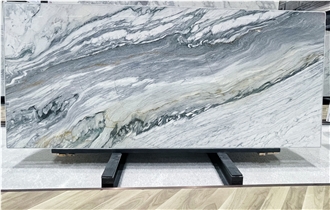
Base ColorThe stone features a golden beige - creamy background. This base color provides a warm and inviting tone, much like a sun - kissed sandy beach. It gives an overall sense of luxury and elegance, with its creamy texture adding a soft and smooth visual quality.

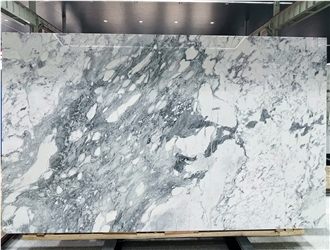
Veining PatternsThe veining is what truly sets Van Gogh Quartzite apart. It has a complex pattern of dark gray, white, golden yellow, and mocha brown veins. These veins are flowy and wave - like, mimicking the movement of a river or the swirls of a painter's brushstroke. The dark gray veins add a touch of drama and depth, contrasting with the lighter base color. The white veins bring a sense of brightness and purity, enhancing the luminosity of the stone. The golden yellow veins introduce a warm and rich hue, reminiscent of precious metals, while the mocha brown veins add an earthy and sophisticated touch.

2. Origin and Quarrying

Van Gogh Quartzite is quarried in Brazil. Brazil is well - known for its high - quality stone resources and advanced quarrying techniques. The quartzite is carefully extracted from the quarries to ensure that the integrity of the stone and its unique patterns are maintained. The process involves precision cutting and handling to preserve the large slabs and the beautiful veining that makes this quartzite so desirable.

3. Applications

Interior Design

Countertops: The smooth and durable surface of Van Gogh Quartzite makes it an excellent choice for kitchen and bathroom countertops. The unique veining pattern serves as a focal point in the room, adding a touch of natural artistry. It pairs well with both modern and traditional cabinetry, enhancing the overall aesthetic of the space.

Wall Claddings: When used for wall cladding, it can transform a room into a luxurious and inviting space. The flowy veining creates a sense of movement and depth, making the walls look alive. It's perfect for living rooms, bedrooms, or even hallways, adding a touch of elegance and warmth.

Flooring: As a flooring material, Van Gogh Quartzite offers both beauty and durability. The large - format slabs can be installed to create a seamless and expansive look. The warm base color and the intricate veining help to create a sense of space and grandeur.

Exterior Design

Facades: The quartzite can be used to clad the exterior of buildings, giving them a distinctive and high - end look. The natural resistance of quartzite to the elements allows it to maintain its beauty over time. The warm and earthy tones blend well with different architectural styles and natural surroundings.

Landscaping: In outdoor spaces such as patios or garden paths, Van Gogh Quartzite can add a touch of refinement. Tiles or slabs can be used to create a durable and visually appealing surface that complements the greenery of the garden.

4. Aesthetic Appeal and Significance

The combination of the golden beige - creamy background and the multi - colored, flowy wave - veined pattern gives Van Gogh Quartzite a look that is both elegant and exotic. It's named after the famous artist Van Gogh, perhaps due to the artistic and vibrant nature of its veining, which is reminiscent of the swirling and dynamic brushstrokes in his paintings. This quartzite is a popular choice among designers and architects looking to create spaces that exude luxury, warmth, and a connection to the natural world.

Mineralogical Composition of Van Gogh Quartzite, % wt:

  • Quartz: 65%
  • Feldspar: 20%
  • Mica: 10%
  • Other minerals: 5%

Chemical Analysis of Van Gogh Quartzite:

  • Silica (SiO2): 85-95%
  • Aluminum oxide (Al2O3): 2-5%
  • Iron oxide (Fe2O3): 0.5-2%
  • Titanium oxide (TiO2): 0.5-2%
  • Calcium oxide (CaO): 0.1-0.5%
  • Magnesium oxide (MgO): 0.1-0.5%
  • Sodium oxide (Na2O): 0.1-0.5%
  • Potassium oxide (K2O): 0.1-0.5%

FAQ

Can Van Gogh Quartzite be used for backsplash?

Yes, Van Gogh Quartzite can be used for a backsplash. Quartzite is a durable and heat-resistant material, making it an excellent choice for use in a kitchen backsplash. The unique veining and colors of Van Gogh Quartzite can add a beautiful and elegant touch to your kitchen or bathroom space. Just make sure to properly seal the quartzite to protect it from potential staining and water damage.

What is the best depth for Van Gogh Quartzite countertops?

The standard depth for Van Gogh Quartzite countertops is typically 3 centimeters or about 1.18 inches. This thickness provides a good balance of durability and aesthetics for most kitchen or bathroom countertops. However, the best depth ultimately depends on personal preference and the specific design of the space. Some homeowners may prefer a thicker or thinner countertop, so it is important to consider factors such as the overall style of the room and budget when choosing the depth of the countertops.

Is 3/4 thick enough for a Van Gogh Quartzite kitchen countertop?

Yes, 3/4 inch thick is a standard thickness for kitchen countertops, including Van Gogh Quartzite. It should be thick enough to provide durability and support for regular kitchen use. It is always a good idea to consult with a professional installer to ensure that the thickness is appropriate for your specific kitchen layout and needs.

How thick should a Van Gogh Quartzite kitchen island counter top be?

The thickness of a Van Gogh Quartzite kitchen island countertop can vary depending on personal preference and design aesthetics. However, a common thickness for quartzite countertops is around 1.25 to 1.5 inches. This thickness gives the countertop a substantial and durable feel while also allowing for a sleek and modern look. Ultimately, the thickness of the countertop should be chosen based on the overall design and style of the kitchen.

Is 3 cm Van Gogh Quartzite too thick for a backsplash?

It ultimately depends on personal preference and the overall design of the kitchen. Some homeowners may prefer a thinner backsplash for a more streamlined look, while others may like the added depth and dimension that a thicker backsplash provides. Its recommended to consider the style of the kitchen, the size of the space, and how the backsplash will complement the rest of the design elements. Ultimately, if 3 cm Van Gogh Quartzite fits your design aesthetic and preferences, then it can be a suitable choice for a backsplash.

Can Van Gogh Quartzite be scratched with a knife?

It is unlikely that Van Gogh Quartzite can be scratched with a normal household knife. Quartzite is a very durable and hard material, ranking around 7 on the Mohs scale of hardness (diamond is the hardest at 10). It is more scratch-resistant than materials like marble or limestone. However, using excessive force or a very sharp knife could potentially scratch the quartzite. It is always best to use a cutting board or protective surface when working with knives on any type of countertop or surface.

Do Van Gogh Quartzite countertops scratch easily?

Van Gogh Quartzite countertops are known for their durability and resistance to scratches, but like any natural stone surface, they can still be susceptible to scratching if not properly cared for. It is always recommended to use cutting boards and avoid dragging heavy or sharp objects across the surface to prevent scratching. Regular cleaning and maintenance can help prolong the life and appearance of Van Gogh Quartzite countertops.

Is Van Gogh Quartzite backsplash the same thickness as countertop?

It is common for backsplash materials, including Van Gogh Quartzite, to be thinner than the countertop material. Typically, backsplashes are around 0.5 inches to 1 inch thick, while countertops are usually around 1.25 inches to 1.5 inches thick. However, the thickness of the backsplash and countertop can vary depending on the specific design and installation preferences. It is recommended to consult with your fabricator or installer for the most accurate information regarding the thickness of your Van Gogh Quartzite backsplash and countertop.

Can I put hot plates on Van Gogh Quartzite countertop?

It is not recommended to put hot plates or pots directly on Van Gogh Quartzite countertop as extreme heat can damage the surface. It is best to use trivets or heat-resistant pads to protect the countertop from heat damage.

Products & Prices

View More

Hot Beige Quartzite

New Quartzite

Post Your Request

The request includes:
  1. surface finished, size
  2. quantity required