Post Your Needs

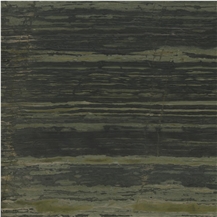
Verde Bonsai Quartzite

Green - Quartzite

Brazil

About

Item Details

Material Type:
Quartzite
Origin:
Brazil (Pindobaçu, Bahia)
Primary Color(s):
Green
Recommended Usage:
kitchen and bathroom countertop, wash basins, building stone, ornamental stone, stairs, interior wall and floor applications, mosaic, water-jet pattern, wall panels, table tops, balustrades, columns, fireplaces, luxury furniture
Additional Names:
Green Bonsai Quartzite, Bonsai Quartzite, Verde Bonsai Quartzite
Finished Surface:
Polished,Bush Hammered,Tumbled,Brushed,Honed,Split,Machine Cut,Natural Surface,Sandblasted,Combed,Leathered,Water Jet,Chiseled,Pickling

Testing

Density:
2670 - 2820 kg/m³
Flexural Strength:
18 - 22 MPa
Compressive Strength:
110 - 140 MPa
Stone texture:
a light jade green with soft gray surface adorned with subtle veining of pure white and black and gray color

Description

Verde Bonsai Quartzite is an exquisite natural stone quarried in Pindobaçu, Bahia, Brazil. It is prized for its captivating appearance, characterized by a light jade green hue with soft gray undertones. The stone is adorned with subtle veining in pure white, black, and gray, lending it an elegant and sophisticated look. Its color palette makes it a versatile choice for various interior and exterior applications.

Physical and Mechanical Properties

  • Water Absorption: Typically low, around 0.1% - 0.2%, indicating good resistance to weathering and suitable for wet areas.

  • Density: Approximately 2.67 - 2.82 g/cm³, which suggests a solid and sturdy material.

  • Flexural Strength: Ranges from 18 to 22 MPa, reflecting a robust structure that resists bending under load.

  • Compressive Strength: Typically between 110 to 140 MPa, showcasing its capability of withstanding significant weight and pressure without cracking.

  • Hardness: Rated on the Mohs scale as 6.5-7, which means it's a durable material that can resist scratches and is suitable for high-traffic areas.

  • Porosity: Generally low due to its dense composition, enhancing its durability and stain resistance.

  • Slip Resistance: Varies with finish, but honed or leather surfaces typically offer better slip resistance compared to polished finishes.

Chemical and Mineral Composition (% by weight)

  • Quartz: 90% - 99%
  • Mica: 1% - 5%
  • Feldspar: 1% - 4%
  • Minor Trace Minerals (e.g., iron oxide): <1%

Usage

  • Countertops: Ideal for kitchen and bathroom countertops due to its resistance to heat, scratches, and stains.
  • Flooring: Suitable for both residential and commercial spaces because of its durability and aesthetic appeal.
  • Wall Cladding: Used in interior and exterior applications for an elegant finish.
  • Feature Walls: Provides a stunning focal point in living areas.
  • Outdoor Paving: Works well in outdoor settings due to its weather-resistant properties.

Maintenance

  • Sealing: Should be sealed periodically to enhance its stain resistance, especially in high-use areas like kitchens.
  • Cleaning: Clean with a mild detergent and avoid acidic or abrasive cleaners to maintain its surface luster.
  • Polishing: Occasional polishing can help restore and maintain the stone's shine.

Surface Finish Options

  • Polished: High-gloss finish that enhances color and veining but may be more slippery.
  • Honed: Matte finish that offers a softer look and improved slip resistance.
  • Leathered: Provides a textured, tactile surface with slip resistance, less reflective than polished.
  • Bush-Hammered: Rough finish that enhances slip resistance, ideal for outdoor use.

Verde Bonsai Quartzite is renowned for its beauty and versatility, suitable for a range of architectural and design projects thanks to its striking appearance and robust physical properties. Proper maintenance and sealant application will ensure its longevity and preserve its aesthetic appeal.

FAQ

Can Brazil's Verde Bonsai Quartzite be used exterior applications in cold climates?

Verde Bonsai Quartzite is a durable and versatile natural stone that can be used in various exterior applications, including cold climates. However, it is important to note that the specific performance of the stone in cold climates may depend on various factors such as the specific climate conditions, installation methods, and maintenance practices. Quartzite is known for its resistance to freezing and thawing cycles, making it suitable for use in cold climates. It has a low absorption rate, which means it is less likely to absorb moisture and crack during freeze-thaw cycles. However, it is always recommended to consult with a stone professional or supplier who has expertise in your specific climate conditions to ensure the suitability of Verde Bonsai Quartzite for your exterior application. Additionally, proper installation and maintenance are crucial to ensure the longevity and performance of the stone in cold climates. Adequate installation techniques, including proper substrate preparation, appropriate adhesive selection, and correct sealing, can help enhance the stones performance and prevent any potential issues. Regular cleaning and maintenance, such as removing snow and ice promptly, avoiding the use of harsh chemicals, and periodic sealing, will also help preserve the stones appearance and durability over time. In summary, while Verde Bonsai Quartzite can generally be used in exterior applications in cold climates, it is essential to consider specific climate conditions, consult with experts, and follow proper installation and maintenance practices for optimal performance and longevity.

Can Brazil's Verde Bonsai Quartzite be used in floor coverings?

Yes, Brazils Verde Bonsai Quartzite can be used for floor coverings. Quartzite is a durable and strong natural stone that can withstand heavy foot traffic and is resistant to scratches and stains. It is a popular choice for flooring due to its unique natural patterns and colors. However, it is important to note that the installation of quartzite flooring requires professional expertise, as it is a dense and hard material that may require special cutting and shaping techniques. Additionally, proper sealing and maintenance are essential to ensure the longevity and beauty of the quartzite floor.

What is the coefficient of friction of Chiseled Brazil's Verde Bonsai Quartzite tiles?

The coefficient of friction for Chiseled Brazils Verde Bonsai Quartzite tiles may vary and would depend on several factors such as the surface finish, presence of any sealants or coatings, and the specific conditions under which the tiles are being tested. It is recommended to refer to the manufacturer or supplier of the tiles for the most accurate coefficient of friction information.

Can Brazil's Verde Bonsai Quartzite be used outdoors?

Yes, Brazils Verde Bonsai Quartzite can be used outdoors. Quartzite is a natural stone that is highly resistant to weathering and has excellent durability. It can withstand extreme temperatures, freeze-thaw cycles, and exposure to the elements without deteriorating. This makes it suitable for various outdoor applications such as patio flooring, pool surrounds, outdoor kitchen countertops, and facade cladding. However, its always recommended to consult with a professional stone supplier or installer to ensure proper installation and maintenance for outdoor use.

Can Brazil's Verde Bonsai Quartzite be used in a office?

Yes, Brazils Verde Bonsai Quartzite can be used in an office. Quartzite is a natural stone that is highly durable and versatile, making it suitable for various applications, including office spaces. It can be used as countertops, flooring, wall cladding, or backsplashes in office reception areas, conference rooms, or other areas where a sophisticated and elegant look is desired. The unique green tones and veining patterns of Verde Bonsai Quartzite can add a touch of natural beauty to an office environment.

How thick is Brazil's Verde Bonsai Quartzite slabs?

I do not have access to up-to-date information on the slabs of Verde Bonsai Quartzite in Brazil, and the thickness of it may vary. However, according to some resources, the thickness of the slabs can range from 2cm to 7cm. It is recommended for customers to check with their supplier for the exact thickness.

Are there color variations of Brazil's Verde Bonsai Quartzite?

Yes, there can be slight color variations of Brazils Verde Bonsai Quartzite depending on the quarry and the specific slab. Some slabs may have more green tones while others may have more gray or beige tones. It is always recommended to view the slab in person before making a purchase to ensure the desired color and pattern.

Is Brazil's Verde Bonsai Quartzite an expensive stone?

I do not have access to the current market price of Verde Bonsai Quartzite stone. However, Quartzite in general can be a moderately to highly expensive stone, depending on the quality, availability, and demand. Its best to consult with a stone professional for an accurate price quote.

Products & Prices

Hot Green Quartzite

New Quartzite

Post Your Request

The request includes:
  1. surface finished, size
  2. quantity required