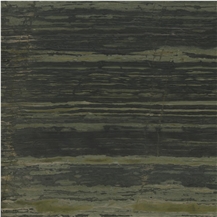
Victoria Quartzite

About
Item Details
- Material Type:
- Quartzite
- Origin:
Brazil - Primary Color(s):
- Green
- Recommended Usage:
- kitchen and bathroom countertops, monuments, stairs, building stone, ornamental stone, interior, exterior wall and floor applications, mosaic, waterjet pattern
- Additional Names:
- Victoria Crystal Quartzite, Victoria Crystal Green Quartzite, Victoria Blue Quartzite, in China Stone Market:维多利亚水晶(Wéiduōlìyǎ shuǐjīng), Victoria Quartzite
- Finished Surface:
- Polished,Bush Hammered,Tumbled,Brushed,Honed,Split,Machine Cut,Natural Surface,Sandblasted,Acid Washing,Combed,Leathered,Water Jet,Filled,Chiseled,Pickling
Testing
- Water Absorption:
- less than 0.5 %
- Density:
- 2700 - 2800 kg/m³
- Flexural Strength:
- 17 - 22 MPa
- Compressive Strength:
- 170 - 230 MPa
- Stone texture:
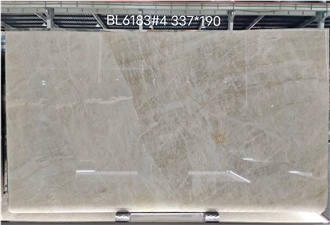
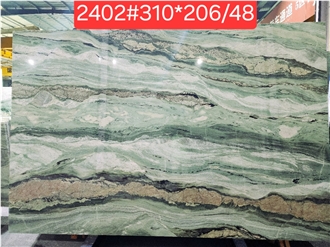
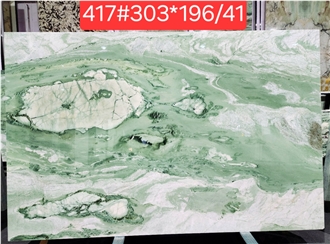
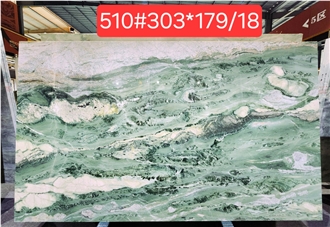
- a visually captivating premium natural stone quarried in Brazil, distinguished by its rich, deep blue base dramatically accentuated by swirling patterns of white, silver-gray, and charcoal veining. The stone presents a sophisticated, oceanic aesthetic that combines deep color saturation with elegant, fluid movement. This quartzite offers both striking visual impact and the exceptional durability characteristic of Brazilian quartzites, making it ideal for luxury residential and high-end commercial applications
Description
Victoria Quartzite is a captivating natural stone mined from Brazil, renowned for its visually striking characteristics and excellent durability. Here's a detailed description and breakdown of its various properties and applications:
Physical and Mechanical Properties
- Water Absorption:Typically low, often less than 1%, indicating its relatively low porosity and good resistance to staining.
- Density:Approximately 2,700 - 2,800 kg/m³, typical for quartzite, contributing to its robust and heavy nature.
- Flexural Strength:Ranges around 17-22 MPa, demonstrating its capability to withstand substantial bending and sheer stress.
- Compressive Strength:Often in the range of 170 - 230 MPa, showcasing its excellent ability to bear heavy loads.
- Hardness:Hardness is approximately 6.5 - 7 on the Mohs scale, indicative of its scratch-resistant surface.
- Porosity:Low porosity, less than 1%, which enhances its ability to resist moisture intrusion and maintain structural integrity.
- Slip Resistance:Dependent on the finish; honed or leather finishes provide good slip resistance, while polished finishes may be less slip-resistant when wet.
Chemical and Mineral Composition
- Quartz:Majority composition, around 90-95%, providing high hardness and strength.
- Mica:Around 2-5%, contributing to its shimmering sheen and added durability.
- Iron Oxides:May contain up to 2%, influencing coloration.
- Other Minerals (Feldspar, Rutile, etc.):Small amounts, typically less than 2%, contributing to unique patterns and additional coloration.
Usage
- Luxury Residential Applications:
- Suitable for countertops, backsplashes, and flooring due to its aesthetic appeal and durability.
- High-End Commercial Uses:
- Ideal for lobby floors, wall cladding, and decorative features in commercial spaces.
- Exterior Applications:
- Withstand weather elements, suitable for outdoor patios, pool surrounds, and facades.
Maintenance
- Sealing:
- Recommended to seal every 6-12 months to maintain resistance to stains and moisture.
- Cleaning:
- Use pH-neutral cleaners to avoid etching and protect the surface's natural beauty.
Cutting Sizes (cm)
- Commonly available in slabs of 2 cm and 3 cm thickness.
- Tiles and custom sizes can be produced on demand for specific applications.
Common Surface Finish Options
- Polished:High-gloss finish enhancing color depth and veining.
- Honed:Matte finish with a smooth surface, providing subtle elegance.
- Leather:Textured finish with a soft sheen, offering a unique tactile experience.
- Brushed:Creates an antiqued appearance, enhancing visual texture.
Additional Information
- Custom Fabrication:Can be cut, shaped, and finished to meet specific design requirements.
- Installation:Professional installation recommended to ensure precise fitting and long-term durability.
Victoria Quartzite, with its deep blue coloration and dramatic veining, is an exemplary choice for those seeking a luxurious and durable material for a variety of design projects. Its combination of aesthetic appeal and robust mechanical properties makes it an enduring favorite in both residential and commercial contexts.
FAQ
Yes, Brazils Victoria Quartzite can be used for exterior applications in cold climates. Quartzite is a very hard and durable natural stone, making it suitable for outdoor use and resistant to frost and freezing temperatures. Its natural composition and durability allow it to withstand extreme weather conditions, including cold climates. However, it is always recommended to consult a professional stonemason or supplier to ensure the proper installation and maintenance for any specific application.
What is the coefficient of friction of Sandblasted Brazil's Victoria Quartzite tiles?
The coefficient of friction of Sandblasted Brazils Victoria Quartzite tiles can vary depending on several factors, including the specific texture and finish of the tiles. It is best to consult with the manufacturer or supplier of the tiles to obtain the accurate coefficient of friction information for this particular product.
What is the average hardness of Brazil's Victoria Quartzite?
The average hardness of Brazils Victoria Quartzite is typically around 7 on the Mohs scale of mineral hardness.
Can Brazil's Victoria Quartzite be used in landscaping?
Yes, Brazils Victoria Quartzite can be used in landscaping. It is a popular choice for outdoor projects such as driveways, walkways, patios, and pool decks. Its durability, resistance to extreme weather conditions, and natural beauty make it suitable for various landscaping applications. Additionally, Victoria Quartzite is available in different colors and finishes, providing versatility in design options for landscaping projects.
How thick is Brazil's Victoria Quartzite slabs?
I dont have access to real-time information or current market trends. However, The thickness of Brazils Victoria Quartzite slabs can range from 2cm to 3cm. It is important to check with the supplier or manufacturer for specific sizes and availability of the product.
Can Brazil's Victoria Quartzite be used in a office?
Yes, Brazils Victoria Quartzite can be used in an office as a flooring material, countertop, or wall tiles. The quartzite is known for its durability and resistance to scratches and stains, making it an ideal choice for high-traffic areas such as offices. Additionally, its unique and elegant appearance can add a sophisticated touch to any office space.
What grade is Brazil's Victoria Quartzite?
I do not have enough information to determine the grade of Brazils Victoria Quartzite. Grade can depend on many factors such as color, pattern, quality, and size of the material. It is best to consult with a professional in the stone industry or a supplier for specific information regarding the grade of a particular batch of Victoria Quartzite.
Are there color variations of Brazil's Victoria Quartzite?
Yes, there are color variations of Brazils Victoria Quartzite. The most common colors of Victoria Quartzite are white, gray, and beige. However, some slabs may contain pink, green, and blue hues. The colors may also vary based on the quarry or the specific section of the rock that the slab is cut from.
Can Brazil's Victoria Quartzite be used outdoors?
Yes, Brazils Victoria Quartzite can be used outdoors as it is a durable and long-lasting natural stone, making it a reliable option for outdoor projects such as patios, pool surrounds, and outdoor kitchens. Its low water absorption rate and resistance to extreme weather conditions make it an ideal choice for outdoor use. Additionally, the stones unique pattern and color variations can add an elegant touch to any outdoor space.
Is Brazil's Victoria Quartzite an expensive stone?
Yes, the Victoria Quartzite from Brazil is considered an expensive stone due to its rarity and unique characteristics. It is a highly sought-after material for countertops, flooring, and wall cladding, with prices ranging from $100 to $300 per square foot, depending on the quality and thickness of the slabs.


16YR