


 Ecuador
Can Ecuador's Zula Onyx be used exterior applications in cold climates?
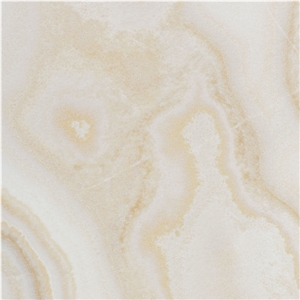
Ecuadors Zula Onyx is a type of onyx stone quarried in Ecuador. While onyx is generally suitable for interior and exterior applications, its specific use in cold climates depends on certain factors.
Onyx is known for its beautiful and translucent appearance, but it is a softer and more delicate stone compared to other options like granite or quartzite. In cold climates, onyx can be more prone to damage due to freezing temperatures and the expansion and contraction of water within its pores.
Therefore, it is important to consider the following points before using Zula Onyx in exterior applications in cold climates:
1. Porosity: Onyx is naturally porous, which means it can absorb water. In cold climates, this water can freeze and cause cracks or damage to the stone. The porosity of Zula Onyx might make it less suitable for exterior applications, especially in areas with frequent freeze-thaw cycles.
2. Sealing: Properly sealing the onyx can help reduce water absorption and protect it from potential damage caused by freezing temperatures. Applying a high-quality penetrating sealer specifically designed for natural stones can help make it more suitable for exterior use.
3. Maintenance: Regular maintenance and care are essential to preserving the beauty and integrity of onyx in exterior applications. This includes periodic resealing and surface cleaning to prevent dirt and moisture from penetrating the stone.
While it may be possible to use Zula Onyx in exterior applications in cold climates with the right precautions, it is recommended to consult with a stone professional or expert for specific recommendations based on the climate conditions and the intended use of the stone.

 Italy
 Turkey


 China
 Greece


 Kyrgyzstan

 India


 Iran
