Post Your Needs

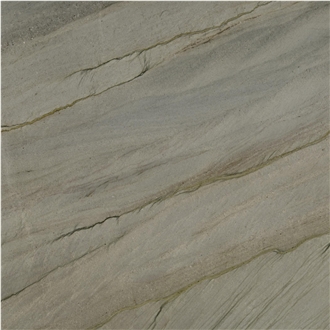
Acara Ruby Quartzite

Quartzite

Brazil

About

Item Details

Material Type:
Quartzite
Origin:
Brazil
Recommended Usage:
Kitchen and bathroom countertops, wash basins, building stone, ornamental stone, stairs, interior, exterior wall and floor applications, mosaic, waterjet pattern, wall panels, table tops, balustrades, columns, wall and pool copings, pool pavers, fireplaces
Additional Names:
Quartzito Acará Ruby
Finished Surface:
Polished,Bush Hammered,Tumbled,Brushed,Honed,Split,Machine Cut,Natural Surface,Sandblasted,Combed,Leathered,Water Jet,Filled,Chiseled,Pickling

Testing

Water Absorption:
<0.5 % (very low porosity)
Density:
2650–2700 kg/m³

Description

Acara Ruby Quartzite features a predominantly creamy-white to light beige base color with striking, irregular veins and patches of rich reddish-brown to rust-colored markings, giving it a dramatic, ruby-like appearance. The natural patterning is bold and organic, with the contrast between the light background and deeper red accents creating a dynamic visual effect. The stone’s coloration and veining make it suitable for both warm and neutral design schemes, offering a luxurious, eye-catching look for feature walls, countertops, and flooring.

Texture & Structure:

This quartzite exhibits a fine to medium-grained crystalline texture, characteristic of high-quality quartzites, with a dense, interlocking crystal structure that provides exceptional strength and stability. The polished surface highlights the vibrant patterns and gives the stone a smooth, reflective finish, while alternative finishes like honed, leathered, or sandblasted enhance tactile appeal and emphasize texture. The robust crystalline matrix ensures the stone feels solid and durable underfoot or to the touch.

Test Results & Physical Properties:

Typical properties for Acara Ruby Quartzite include:

  • Water absorption: <0.5 % (very low porosity)
  • Density: ~2,650–2,700 kg/m³
  • Compressive strength: ~150–300 MPa
  • Flexural strength: ~10–25 MPa
  • Mohs hardness: ~7 (high scratch resistance)

Chemical & Mineral Composition:

  • Quartz (SiO₂): ~90 %+ Minor feldspar, mica, and iron oxides (responsible for reddish-brown veining)
  • Other oxides (CaO, MgO, TiO₂, etc.): trace amounts

Usage:

Acara Ruby Quartzite is widely used for:

  • Interior & exterior flooring and wall cladding
  • Kitchen and bathroom countertops, vanity tops, and waterfall islands
  • Fireplace surrounds, hearths, and decorative feature panels
  • Pool surrounds, patios, and outdoor paving
  • Sculptural elements, monuments, and custom furniture

Maintenance:

  • Clean routinely with mild, pH-neutral detergents
  • Periodic sealing recommended to maintain stain resistance
  • Avoid prolonged exposure to harsh chemicals or acidic substances
  • Proper care preserves the polished finish and protects the stone’s natural patterns

Surface Finish Options:

  • Polished — high gloss, enhances colour and pattern
  • Honed — smooth, matte appearance
  • Leathered / Brushed — soft texture with visual depth
  • Sandblasted / Bush‑hammered — rougher, tactile effects
  • Tumbled or Split — varied organic texture

Overall, Acara Ruby Quartzite combines bold, exotic coloration with strong physical performance and versatile finish options, making it ideal for high-end residential and commercial applications where visual impact and durability are both essential.

FAQ

What happens to Acara Ruby Quartzite countertop if not sealed?

If an Acara Ruby Quartzite countertop is not sealed, it can be more susceptible to staining and etching. Quartzite is a natural stone that is generally quite durable, but its porosity can vary. Unsealed quartzite may absorb liquids such as oils, wine, or acidic substances, leading to discoloration or surface damage. Additionally, not sealing the countertop can make it harder to clean, as spills and dirt can penetrate the stone more easily. To maintain the appearance and longevity of quartzite surfaces, its recommended to apply a high-quality sealant and reseal periodically as instructed by the manufacturer or installer.

Does salty water permanently stain Acara Ruby Quartzite kitchen countertop?

Acara Ruby Quartzite is a natural stone that is generally more durable and less porous than marble, but it is not entirely impervious to staining. Salty water can potentially leave marks or stains if it is not wiped up promptly, especially if the surface is not properly sealed. To minimize the risk of staining: 1. **Seal the Countertop:** Apply a high-quality stone sealer to help protect the surface from spills and stains. This should be done periodically, according to the manufacturers guidelines. 2. **Wipe Up Spills Immediately:** Quickly clean up any salty water or other spills to prevent them from penetrating the stone. 3. **Use a pH-Neutral Cleaner:** Clean regularly with a pH-neutral cleaner that is safe for natural stone. 4. **Avoid Abrasive Cleaners:** Do not use harsh or acidic cleaners, as these can damage the stone and remove the sealer. If a stain does occur, you may be able to remove it with a poultice or a specialized stone cleaner, but this should be done carefully to avoid damaging the surface. Its always a good idea to consult with a professional or refer to the manufacturers care instructions specific to your countertop material.

Is Acara Ruby Quartzite good for kitchen countertops?

Acara Ruby Quartzite can be a good choice for kitchen countertops due to its durability, strength, and aesthetic appeal. Quartzite is a natural stone that resembles marble but is more robust, making it resistant to scratching, heat, and etching. The unique veining and color patterns found in Acara Ruby Quartzite can add a striking and elegant look to your kitchen. However, there are a few considerations to keep in mind: 1. **Sealing**: Like many natural stones, quartzite requires regular sealing to maintain its resistance to stains and etching, especially in a kitchen setting where exposure to acids and oils is common. 2. **Maintenance**: While quartzite is durable, it still requires regular maintenance and care to keep it looking its best. Spills should be cleaned promptly, and harsh chemicals should be avoided. 3. **Cost**: Quartzite can be more expensive than other countertop materials like granite or engineered stone, so it’s essential to consider your budget. 4. **Installation**: Proper installation is crucial for durability and longevity, so ensure you hire experienced professionals for the job. If these considerations align with your needs and preferences, Acara Ruby Quartzite can indeed be an excellent choice for your kitchen countertops, offering both functionality and beauty.

What is the typical thickness of Acara Ruby Quartzite kitchen countertop?

The typical thickness for a kitchen countertop made from Acara Ruby Quartzite, or any natural stone, usually ranges from 2 cm (about 3/4 inch) to 3 cm (about 1 1/4 inches). The 3 cm thickness is more popular as it provides better durability and resistance to breakage, especially important for kitchen surfaces that endure frequent use. Always consult with your fabricator or supplier to determine the best thickness for your specific installation requirements.

Can Acara Ruby Quartzite be scratched with a knife?

Acara Ruby Quartzite, like other types of quartzite, is a natural stone known for its durability and hardness. Quartzite is typically formed from sandstone that undergoes heat and pressure, resulting in a very hard material. On the Mohs scale of mineral hardness, quartzite usually falls between 7 and 8, making it harder than steel, which is generally between 4 and 5 on the scale. Therefore, under normal circumstances, Acara Ruby Quartzite should not be easily scratched by a typical steel knife. However, the outcome can vary based on factors such as the type of knife, the amount of pressure applied, and the specific composition of the quartzite. Its always advisable to use cutting boards in the kitchen to protect both your countertops and your knives.

Do I need a special blade to cut 3cm thick Acara Ruby Quartzite tile?

Yes, when cutting 3cm thick Acara Ruby Quartzite tile or any other natural stone, its important to use the appropriate equipment to ensure a clean cut and to avoid damaging the material. You should use a wet saw equipped with a diamond blade that is specifically designed for cutting hard stone like quartzite. Diamond blades are suitable for cutting dense and hard materials, and the use of water helps to reduce dust, cool the blade, and minimize the risk of chipping. Always make sure to follow safety guidelines and wear appropriate protective gear, such as safety glasses and gloves, when performing the cuts.

Products & Prices

Hot Quartzite

New Quartzite

Post Your Request

The request includes:
  1. surface finished, size
  2. quantity required