Post Your Needs

Amber Quartzite

Quartzite

Brazil

About

Item Details

Material Type:
Quartzite
Origin:
Brazil
Recommended Usage:
Kitchen and bathroom countertops, wash basins, building stone, ornamental stone, stairs, interior, exterior wall and floor applications, mosaic, waterjet pattern, wall panels, table tops, balustrades, columns, wall and pool copings, pool pavers, fireplaces
Additional Names:
Amber Gold Quartzite, Amber Brown Quartzite, Brown Amber Quartzite
Finished Surface:
Polished,Bush Hammered,Tumbled,Brushed,Honed,Split,Machine Cut,Natural Surface,Sandblasted,Combed,Leathered,Water Jet,Filled,Chiseled,Pickling

Testing

Water Absorption:
0.2–0.35% by weight
Density:
2690–2730 Kg/m³
Flexural Strength:
12–22 MPa
Compressive Strength:
170–210 MPa

Description

Texture & Pattern:

  • Texture: Medium to coarse-grained crystalline structure typical of quartzite
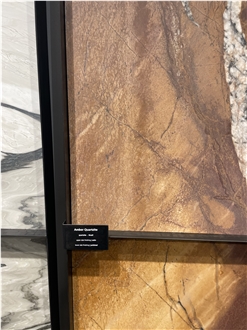
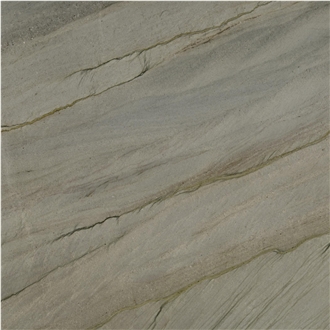
  • Pattern: Warm golden and amber base with brown and red veins; vibrant, earthy interplay of brown, gold, and red hues
  • Aesthetic: Elegant and luxurious; natural variations and vein patterns create a unique, dynamic visual effect in every slab

Technical Specifications: (typical values; may vary per block/slab)

  • Density: 2.69–2.73 g/cm³
  • Compressive Strength: 170–210 MPa
  • Flexural Strength: 17–22 MPa
  • Water Absorption: 0.2–0.5% by weight
  • Mohs Hardness: 7
  • Acid Resistance: High; resistant to mild acids
  • Stain Resistance: High
  • Scratch Resistance: High
  • Heat Resistance: High; suitable for kitchen countertops

Chemical Composition (% by weight, approximate):

  • SiO₂ (Quartz): 85–90%
  • Al₂O₃ (Feldspar): 6–10%
  • Fe₂O₃: 0.5–2%
  • MgO: 0.2–1%
  • K₂O + Na₂O: 2–4%

Mineral Composition (% by weight, approximate):

  • Quartz: 80–85%
  • Feldspar: 10–15%
  • Mica & minor minerals: 2–5%

Usage:

  • Flooring and wall cladding (interior & exterior)
  • Kitchen countertops, bathroom vanities, and tabletops
  • Stairs, steps, and thresholds
  • Outdoor landscaping and decorative architectural features

Maintenance & Care:

  • Clean with a soft cloth or mop and mild pH-neutral detergent
  • Avoid acidic or abrasive cleaners to prevent dulling
  • Periodic sealing recommended for high-traffic or exterior applications

FAQ

Is Amber Quartzite durable enough for use as walkway pavers?

Amber Quartzite is generally a good choice for walkway pavers due to its durability and hardness. Quartzite is a metamorphic rock that is primarily composed of quartz, making it very strong and resistant to wear and tear. It can withstand foot traffic and various weather conditions including rain, snow, and heat, which makes it suitable for outdoor use such as walkways and patios. However, there are a few considerations you should keep in mind: 1. **Surface Texture**: Make sure the quartzite has a non-slip surface. Some quartzite pavers have a natural cleft finish, which provides good traction, but polished surfaces may become slippery when wet. 2. **Thickness**: Ensure the pavers are thick enough to endure the weight they will be subjected to. For walkways, a thickness of at least 1.25 inches (about 3 cm) is often recommended. 3. **Sealing**: While quartzite is exceptionally dense and less porous than many other natural stones, sealing the stone can increase its lifespan by providing additional protection against staining and moisture penetration. 4. **Installation**: Proper installation is crucial for longevity. Ensure that the pavers are laid on a stable base with adequate drainage to prevent shifting and water accumulation. If these considerations are addressed, Amber Quartzite can be a durable and attractive option for your walkway needs.

Does the surface of Amber Quartzite kitchen countertop scratch easily?

Amber Quartzite is a natural stone that is known for its durability and resistance to scratching, making it a popular choice for kitchen countertops. However, like any natural stone, it is not completely scratch-proof. While it is more resistant to scratches than softer stones like marble or limestone, it is still important to use cutting boards and avoid sliding heavy or sharp objects directly on the surface to minimize the risk of scratches. Regular maintenance, such as sealing, can also help protect the surface and maintain its appearance over time.

Can honed finish Amber Quartzite be used for pool coping?

Yes, honed finish Amber Quartzite can be used for pool coping. Quartzite is a durable and dense natural stone, making it suitable for outdoor applications such as pool coping. The honed finish provides a smooth, matte surface that can be both aesthetically pleasing and slip-resistant when wet, which is ideal for areas around a pool. However, it is important to ensure that the stone is properly sealed to protect against water penetration, staining, and potential chemical exposure from pool water. Consulting with a professional installer or supplier is advisable to ensure the stone is suitable for your specific climate and pool environment.

Can Amber Quartzite be used as a kitchen countertop?

Amber Quartzite can be used as a kitchen countertop, but there are several factors to consider before making a decision. Quartzite is a natural stone that is known for its durability and resistance to heat and scratches, making it a suitable choice for kitchen countertops. However, its important to ensure that it is properly sealed to prevent staining, as natural stones can be porous. Amber Quartzites unique color and veining can add an attractive and distinctive look to your kitchen, but keep in mind that the aesthetic will depend on your specific design preferences. When choosing Amber Quartzite, consider its maintenance needs, cost, and how it will harmonize with other elements in your kitchen design. It’s advisable to consult with a professional stone fabricator or installer to assess the specific characteristics of the Amber Quartzite slab you’re considering and to handle the installation properly.

How can I maintain Amber Quartzite polished flooring?

Maintaining Amber Quartzite polished flooring involves regular cleaning, prompt stain removal, and periodic maintenance to preserve its natural beauty and finish. Here are some steps to help you maintain your flooring: 1. **Regular Cleaning:** - **Dust and Dirt Removal:** Use a soft broom or a microfiber dust mop to remove dust and dirt on a daily basis. This prevents scratches from abrasive particles. - **Wet Mopping:** Clean the floor with a damp mop using warm water and a pH-neutral stone cleaner. Avoid using acidic or abrasive cleaners that can damage the stone. 2. **Stain Prevention:** - **Spill Management:** Wipe up spills immediately to prevent stains. Quartzite is relatively resistant to staining but prolonged exposure to liquids can still cause damage. - **Use Mats and Rugs:** Place mats at entryways and rugs in high-traffic areas to reduce dirt and moisture on the floor. 3. **Regular Sealing:** - Depending on the level of traffic and the sealer used, you may need to reseal the floor every 1 to 2 years. Sealing helps protect the stone and maintain its polished look. 4. **Avoiding Damage:** - **Furniture Protection:** Place protective pads under furniture legs to avoid scratches. - **Chemical Spills:** Avoid using harsh chemicals or household cleaners on the floor. These can damage the sealant and the stone surface. 5. **Professional Maintenance:** - Consider hiring a professional stone care company to polish and seal the floor periodically. This can help restore the floor’s shine and repair any minor surface scratches or wear. 6. **Temperature Control:** - Maintain stable indoor temperatures to avoid expansion and contraction of the flooring materials, which can lead to cracks or other damage. By following these guidelines, you can help ensure that your Amber Quartzite polished flooring remains beautiful and durable over time.

How can I remove mold from Amber Quartzite wall tiles?

Removing mold from Amber Quartzite wall tiles requires a careful approach to avoid damaging the stone. Here’s a step-by-step guide: 1. **Safety Precautions**: - Wear protective gloves, goggles, and a mask to avoid inhaling mold spores. - Ensure the area is well-ventilated. 2. **Prepare the Cleaning Solution**: - Mix a small amount of mild dish soap with warm water. - Alternatively, you can use a stone-safe cleaner specifically designed for use on natural stone like quartzite. 3. **Initial Cleaning**: - Use a soft-bristled brush or a microfiber cloth to gently scrub the surface of the tiles. Avoid using anything abrasive, like steel wool, which could scratch the stone. 4. **Rinse the Surface**: - Use a clean, damp cloth to wipe away the soapy solution. - Rinse the cloth frequently to ensure all soap residues are removed. 5. **Dealing with Stubborn Mold Spots**: - For persistent mold, mix a solution of equal parts water and white vinegar. - Apply the solution to the affected area and let it sit for 10-15 minutes. - Gently scrub with a soft-bristled brush. - Rinse thoroughly with clean water. 6. **Drying**: - Wipe the tiles dry with a clean microfiber cloth. This will help prevent water spots and further mold growth. 7. **Seal the Surface**: - Once the tiles are completely dry, consider applying a high-quality stone sealer. This will help protect the surface and make it less prone to mold and stains in the future. 8. **Regular Maintenance**: - Regularly clean the tiles with a stone-safe cleaner and ensure the area is well-ventilated to avoid future mold build-up. Remember, always spot-test any cleaning solution in an inconspicuous area before applying it to the entire surface to ensure it does not discolor or damage the quartzite. If the mold problem persists or covers a large area, consider consulting a professional cleaner.

Is Amber Quartzite a suitable choice for facades in cold winter climates?

Amber Quartzite can be a suitable choice for facades in cold winter climates, but there are several factors to consider to ensure its performance and longevity: 1. **Durability and Density**: Quartzite is known for its hardness and durability, which generally makes it a good candidate for exterior applications. Its density helps it resist moisture absorption that can lead to freeze-thaw cycles causing damage. 2. **Water Absorption**: Ensure that the specific type of Amber Quartzite has low water absorption properties. High water absorption can lead to cracking and spalling due to freeze-thaw cycles. 3. **Thermal Resistance**: Quartzite typically has good thermal resistance, which helps it withstand temperature fluctuations without significant expansion or contraction. 4. **Finish and Texture**: The finish of the quartzite can affect its performance. A cleft or textured finish might offer more resistance to weathering compared to a highly polished finish, which may be more susceptible to surface flaking over time. 5. **Proper Installation**: Proper installation techniques, including the use of appropriate sealants and back-ventilated rain screen systems, can mitigate potential issues related to moisture ingress and thermal expansion. 6. **Maintenance**: Regular maintenance, like sealing, can enhance the stones resistance to moisture and staining, enhancing its longevity. 7. **Local Climate Considerations**: Consulting with a local architect or contractor skilled in using natural stone in facades can provide valuable insights tailored to the specific climatic conditions. In summary, while Amber Quartzite can be suitable for cold climates, due diligence in assessing its specific characteristics and ensuring proper installation is critical to its success on building facades.

Products & Prices

View More

Hot Quartzite

New Quartzite

Post Your Request

The request includes:
  1. surface finished, size
  2. quantity required