Post Your Needs

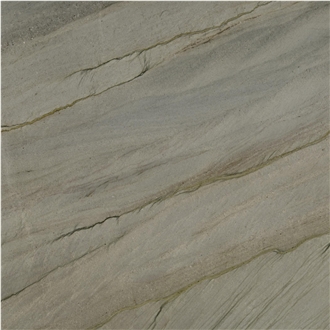
Arthur Blue Quartzite

Quartzite

Brazil

About

Item Details

Material Type:
Quartzite
Origin:
Brazil
Recommended Usage:
kitchen and bathroom countertop, wash basins, building stone, ornamental stone, stairs, interior wall and floor applications, mosaic, water-jet pattern, wall panels, table tops, balustrades, columns, fireplaces, luxury furnitures
Additional Names:
Amazon Blue Quartzite, Arturo Blue Quartzite
Finished Surface:
Polished,Bush Hammered,Brushed,Honed,Split,Machine Cut,Natural Surface,Sandblasted,Combed,Leathered,Water Jet,Chiseled,Pickling

Testing

Water Absorption:
0.1 – 0.3% by weight
Density:
2640 – 2700 kg/m³
Flexural Strength:
14–16 MPa
Compressive Strength:
180–200 MPa

Description

Arthur Blue Quartzite from Brazil is a luxurious and highly durable natural stone characterized by a deep blue, bluish-gray, and green-toned background enriched with flowing white and occasional golden veining that creates an exotic, wave-like movement across the surface. Its pattern typically shows medium to high variation with dramatic linear and cloudy structures, giving each slab a unique, artistic appearance suitable for premium architectural projects.

Texture & Structure:Medium- to fine-grained crystalline structure with interlocking quartz crystals, providing very high density, compactness, and low porosity. The stone is extremely hard and resistant to abrasion and weathering due to its metamorphic quartzite formation.

Hardness & Physical Properties:

  • Mohs hardness: ~7
  • Compressive strength: 180–200 MPa
  • Flexural strength: 14–16 MPa
  • Water absorption: 0.1–0.3% by weight
  • Density: 2.64–2.70 g/cm³

Chemical Composition (% by weight):

  • SiO₂ (Quartz): 92–97%
  • Feldspar: 1–4%
  • Mica & accessory minerals (biotite, muscovite): 1–3%
  • Trace iron oxides (responsible for golden/green tones): <1%

Mineral Composition: Predominantly quartz recrystallization with minor feldspar inclusions, biotite streaks, and iron-bearing minerals contributing to color variation and veining effects.

Usage: Ideal for luxury interior and exterior applications such as kitchen countertops, island tops, bathroom vanities, feature walls, flooring, staircases, reception areas, façades, and high-end commercial or hospitality projects.

Surface Finish Options: Polished, honed, leathered, brushed, and flamed finishes are commonly available, each enhancing different aspects of the stone’s color depth and texture.

Maintenance: Low maintenance due to high quartz content. Recommended sealing upon installation and periodic resealing depending on usage. Clean with pH-neutral stone cleaners; avoid acidic or abrasive chemicals to preserve surface integrity and polish.

FAQ

Arthur Blue Quartzite has its own natural veins. If I use it as stair steps, will it break along these veins?

Arthur Blue Quartzite is a type of natural stone known for its durability and strength, which makes it suitable for various applications, including stair steps. However, like all natural stones, it has inherent veins and patterns that can influence its structural integrity. While quartzite is generally more robust and less prone to breaking than other stones like marble, the presence of natural veins can become potential points of weakness if not properly considered. When using Arthur Blue Quartzite for stair steps, its crucial to ensure that the stone is adequately supported and installed. The following considerations should help minimize the risk of any issues related to its natural veins: 1. **Thickness**: Ensure that the quartzite slabs used for the steps are of appropriate thickness to support weight and handle foot traffic without undue stress on the veins. 2. **Quality**: Use high-quality quartzite with minimal visible fissures or imperfections along the veins. 3. **Professional Installation**: Have the steps installed by experienced professionals who understand how to position the veins properly so that they do not align in a way that they become stress points. 4. **Support and Substructure**: Ensure that the steps have a robust substructure to distribute weight evenly and reduce the possibility of shifting or cracking along the veins. 5. **Sealing**: Seal the quartzite properly to protect it from moisture ingress, which can compromise the integrity of the stone over time, especially at the veins. By taking these precautions, you can enjoy the beauty and durability of Arthur Blue Quartzite stair steps with minimized risk of breakage along its natural veins.

Does the surface of Arthur Blue Quartzite scratch easily?

Arthur Blue Quartzite is known for its durability and hardness, making it quite resistant to scratching. Quartzite is a metamorphic rock that originates from sandstone and is known for being harder than granite. Its robust nature generally makes it a suitable material for countertops and other surfaces where scratch resistance is desired. However, like any natural stone, it is not completely impervious to damage and can be scratched if subjected to particularly sharp or heavy objects. Proper care and maintenance can help preserve the surface and appearance of quartzite.

Can polished surface finish Arthur Blue Quartzite be used for pool coping?

Arthur Blue Quartzite can technically be used for pool coping, but there are several important considerations to take into account: 1. **Slip Resistance**: Polished surfaces can be quite slippery when wet, which poses a safety risk around pools. It might be better to opt for a honed or textured finish for better traction. 2. **Durability**: Quartzite is a hard and durable natural stone that is resistant to weathering, which makes it suitable for outdoor use, including as pool coping. 3. **Maintenance**: Polished stone can show water spots, dirt, and other imperfections more easily than honed or textured finishes. It may require more frequent cleaning and maintenance. 4. **Heat Retention**: Natural stones, including quartzite, can retain heat from the sun, making them hot to the touch during warm weather. This is worth considering if the pool area will be exposed to a lot of direct sunlight. 5. **Aesthetic Considerations**: The polished finish can provide a luxurious and elegant appearance, but its always important to weigh this against practical considerations like safety and maintenance. If you decide to use polished Arthur Blue Quartzite for your pool coping, you might consider applying an anti-slip treatment or selecting a section of the surface that does not get direct foot traffic to minimize the risk of slips and falls. Always consult with a professional installer or designer to ensure the material meets all the necessary safety and design requirements for your specific pool area.

Can Arthur Blue Quartzite be used as a commercial kitchen countertop?

Arthur Blue Quartzite can be used as a commercial kitchen countertop, but there are several factors to consider before making a decision. Quartzite is a natural stone that is known for its durability and resistance to heat and scratches, making it a suitable choice for high-use environments like commercial kitchens. However, there are some important considerations: 1. **Sealing:** Quartzite is not as porous as marble, but it still needs to be sealed properly to prevent staining and liquid absorption. Regular maintenance will be required to keep the surface in good condition. 2. **Cost:** Quartzite can be more expensive than other materials, both in terms of the material itself and the cost of installation. This might impact budget considerations for a commercial kitchen. 3. **Aesthetic:** If the look of Arthur Blue Quartzite complements the design of the kitchen, it can be an attractive choice, as it offers a unique and luxurious appearance. 4. **Durability:** While quartzite is generally quite durable, not all quartzite is created equal. Its important to verify the specific qualities of the Arthur Blue Quartzite you plan to use, ensuring it can withstand the demands of a commercial kitchen. 5. **Maintenance:** Besides sealing, quartzite countertops need regular cleaning with appropriate materials to ensure longevity and appearance. 6. **Availability:** The availability of Arthur Blue Quartzite might be limited depending on your location, which could also affect the overall cost and time for installation. As with any material selection, it is important to weigh these factors along with the specific needs and usage patterns of your commercial kitchen. Consulting with a professional supplier or installer can provide more specific guidance based on these variables.

How can I restore the appearance of a Arthur Blue Quartzite tabletop to make it look new again?

Restoring the appearance of an Arthur Blue Quartzite tabletop involves cleaning, resealing, and possibly polishing the surface. Here’s a step-by-step guide to help make it look new again: 1. **Deep Cleaning**: - **Remove Surface Dirt and Dust**: Use a soft brush or cloth to gently remove any dust and debris. - **Mild Detergent Solution**: Mix a few drops of mild dish soap with warm water. Use a soft cloth or sponge to clean the surface thoroughly. Avoid using anything abrasive as it may scratch the quartzite. - **Rinse and Dry**: Wipe the surface with clean water to remove any soap residue, then dry with a soft towel or microfiber cloth. 2. **Stain Removal**: - **Identify Stains**: If there are persistent stains, identify the type (e.g., oil-based, organic). - **Use Appropriate Cleaner**: For oil-based stains, use a poultice paste made from baking soda and water. For organic stains, a hydrogen peroxide-based cleaner can be effective. - **Apply and Cover**: Spread the poultice over the stain, cover with plastic wrap, and tape down the edges. Leave it to sit for 24-48 hours, then remove, rinse, and dry the surface. 3. **Polishing**: - **Polishing Compound**: Obtain a stone-polishing compound suitable for quartzite. Always follow the manufacturer’s instructions. - **Apply in Circular Motions**: Use a soft cloth or buffer to apply the polish in circular motions. Work in small sections for even coverage. - **Buff the Surface**: After the polish has dried, buff the surface to a shine using a clean, dry cloth or an electric polisher set to a low speed. 4. **Sealing**: - **Choose the Right Sealer**: Select a high-quality stone sealer compatible with quartzite. - **Apply Evenly**: Use a foam brush or roller to apply the sealer evenly across the surface. Follow the manufacturer’s instructions regarding the application and drying times. - **Wipe Off Excess**: Remove any excess sealer with a clean cloth to prevent streaking. 5. **Regular Maintenance**: - **Clean Regularly**: Use a pH-balanced cleaner or simply water and a mild soap to clean the tabletop regularly. - **Avoid Harsh Chemicals**: Do not use acidic or abrasive cleaners as they can damage the stone. - **Use Coasters and Trivets**: Protect the surface from heat and scratch damage by always using coasters for drinks and trivets for hot pans. By following these steps, you should be able to restore your Arthur Blue Quartzite tabletop and maintain its natural beauty. Regular maintenance will also help keep it looking new for years to come.

Can 2cm thickness Arthur Blue Quartzite be used for stair steps?

Yes, Arthur Blue Quartzite with a thickness of 2 cm can generally be used for stair steps. Quartzite is a durable and hard natural stone, making it suitable for high-traffic areas like stairs. However, there are a few considerations to keep in mind: 1. **Structural Support**: Ensure that the substructure supporting the quartzite is strong enough to handle the weight and stress, especially if the stairs are wider or have a longer tread. 2. **Finish and Texture**: Since stairs can be slippery, especially if they get wet, consider a finish that provides some slip resistance. A honed or textured finish might be preferable over a polished finish for this reason. 3. **Edge Details**: Proper edge detailing (like bullnose) can help prevent chipping and add to the safety of the stairs. 4. **Installation**: Proper installation is crucial. Professional installers will ensure that the stone is securely and safely set, which is particularly important for stairs. 5. **Local Building Codes**: Make sure that the installation complies with local building codes and regulations, which might dictate specific requirements for stair dimensions and materials. Consulting with a professional installer or a structural engineer can provide further assurance that the material is suitable for your specific application.

Products & Prices

Hot Quartzite

New Quartzite

Post Your Request

The request includes:
  1. surface finished, size
  2. quantity required