Post Your Needs

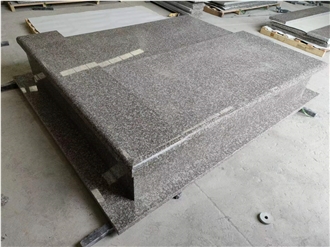
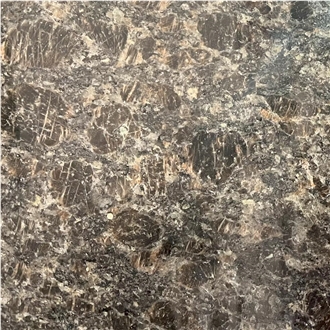
Bain Brook Brown Granite

Brown - Granite

China

About

Item Details

Material Type:
Granite
Origin:
China (Luoyuan, Fujian province and Laoshan, Shandong province)
Primary Color(s):
Brown
Recommended Usage:
Kitchen and bathroom countertops, sinks, wash basins, monuments, building stone, ornamental stone, stairs, interior, exterior wall and floor applications, mosaic, waterjet pattern, wall panels, table tops, balustrades, columns, window sills, pavers, cobble stone
Additional Names:
Luoyuan Red Granite, Misty Mauve Granite, Misty Brown Granite, Bainbrook Brown Granite, Castle Brown Granite, G306 Granite, Lao Shan Grey Granite, Laoshan Gray Granite, Laoshan Misty Grey Granite, G664 Granite, Bain Brook Brown Granite
Finished Surface:
Polished,Flamed,Bush Hammered,Tumbled,Brushed,Honed,Split,Machine Cut,Natural Surface,Sandblasted,Acid Washing,Combed,Leathered,Water Jet,Filled,Chiseled,Pickling

Testing

Water Absorption:
0.31%
Density:
2600 kg/m3
Flexural Strength:
10.3 MPa
Compressive Strength:
161.1 MPa

Description

Bain Brook Brown Granite is a captivating and visually appealing natural stone with a unique combination of colors and characteristics. Here's a description of Bain Brook Brown Granite:

Color Palette: Bain Brook Brown Granite is known for its distinctive color palette. It features a medium-grained misty brown base that provides a warm and earthy feel to any space. What sets this granite apart is the presence of violet-pink hues and striking biotite mineral deposits. These violet-pink and black biotite speckles and veins create a sense of depth and contrast against the brown background, resulting in a visually captivating appearance.

Origin: This granite variety is quarried in China, a region known for producing a wide variety of high-quality natural stones. The geological characteristics of the area contribute to the unique composition and appearance of Bain Brook Brown Granite.

Texture: Bain Brook Brown Granite typically has a polished finish, which enhances the richness of its colors and the natural veining patterns. The polished surface adds a touch of elegance and sophistication, making it a popular choice for a range of design applications.

Versatility: Due to its striking appearance, Bain Brook Brown Granite is a versatile stone suitable for various design projects. It is commonly used for countertops, backsplashes, flooring, and wall cladding. Its unique coloration and visual depth make it an ideal choice for both modern and traditional design styles.

Durability: Like other natural stones, Bain Brook Brown Granite is renowned for its durability and resistance to wear and tear. It can withstand the demands of high-traffic areas and maintain its beauty with proper care and maintenance.

In summary, Bain Brook Brown Granite is a medium-grained misty brown granite with violet-pink biotite accents. Quarried in China, this granite's unique color palette and striking mineral deposits create a visually captivating and warm aesthetic. Whether used for countertops, flooring, or wall cladding, this granite adds a touch of natural beauty and sophistication to any space, making it a favored choice in the world of interior and exterior design.

FAQ

What should not be placed on kitchen Bain Brook Brown Granite counters?

Bain Brook Brown Granite countertops are a durable and long-lasting choice for kitchen counters. However, certain items should not be placed directly on the surface to prevent damage or staining. Here are some things that should be avoided: 1. Hot pots and pans: Granite can withstand high temperatures, but sudden thermal shock can cause cracking or discoloration. Always use trivets or heat-resistant pads for hot cookware. 2. Citrus juices or acidic liquids: Acidic substances, such as lemon juice or vinegar, can etch and dull the granite surface. Clean up spills immediately and avoid leaving citrus fruits or acidic bottles directly on the countertop. 3. Harsh chemicals or cleaners: Avoid using abrasive or acidic cleaners, as they can damage the sealant and the granite surface. Stick to mild, pH-neutral cleaners specifically formulated for granite. 4. Cutting or chopping directly on the granite: While granite is generally more resistant to scratches, using sharp knives directly on the surface can still leave marks. Always use a cutting board to protect the countertop. 5. Sudden impacts or excessive weight: Granite is a durable material, but excessive force or heavy objects dropped onto the surface can cause cracks or chips. Avoid hitting or dropping heavy items on the counters. 6. Bleach or ammonia-based products: These chemicals can degrade the sealant and affect the color of the granite. Stick to mild cleaners specifically designed for granite. Overall, it is best to treat Bain Brook Brown Granite countertops with care and use protective measures to ensure they maintain their beauty and functionality for years to come.

What speed do you cut Bain Brook Brown Granite?

The cutting speed for Bain Brook Brown Granite can vary depending on several factors such as the type and condition of the cutting equipment, the desired finish, and the expertise of the operator. Generally, a cutting speed of around 2-3 meters per minute is commonly used for granite cutting. However, it is recommended to consult with a professional stone fabricator or equipment manufacturer for specific speed recommendations for cutting Bain Brook Brown Granite.

What is the best blade to cut Bain Brook Brown Granite?

The best blade to cut Bain Brook Brown Granite would be a diamond blade specifically designed for cutting granite. Diamond blades are known for their durability and ability to cut through hard materials like granite efficiently. Additionally, its important to choose a blade with a continuous rim or turbo rim design for smooth and clean cuts. Its always recommended to consult with professionals or follow the manufacturers guidelines for optimal results and safety precautions.

What grit sandpaper to polish Bain Brook Brown Granite?

To polish Bain Brook Brown Granite, it is recommended to use sandpaper with a grit between 400 and 2000. Start with a coarse grit (between 400-600) to remove any roughness or scratches, and gradually move to finer grits (800-1500) for smoothing the surface and achieving a polished finish. Finish with an ultra-fine grit (2000) to buff and enhance the shine.

Does a 2cm Bain Brook Brown Granite countertop require plywood underlayment for support?

It is recommended to use plywood underlayment for support with granite countertops, regardless of the thickness. Plywood provides stability and helps to distribute the weight of the countertop evenly. So, for a 2cm Bain Brook Brown Granite countertop, it is advisable to use plywood underlayment for added support and to prevent any potential issues with cracks or sagging over time.

How can I drill 2cm thick Bain Brook Brown Granite?

Drilling through 2cm thick Bain Brook Brown Granite requires proper tools and techniques to prevent damaging the stone. Heres a step-by-step guide to help you: 1. Gather the necessary tools: Youll need a diamond-tipped drill bit specifically designed for drilling through granite, a variable speed drill, a water bottle or a water cooling system, masking tape, and safety glasses. 2. Mark the drilling spot: Use masking tape to mark the spot where you want to drill. This helps prevent the drill bit from slipping and protects the surface from any potential scratches. 3. Lubricate the drilling area: Granite generates a lot of heat when drilling, so its crucial to keep the drill bit cool. Spray water on the marked spot to lubricate it throughout the drilling process. Alternatively, you can use a water cooling system attached to the drill. 4. Begin the drilling process: Set your drill to a low-speed setting and place the diamond-tipped drill bit on the marked spot at a 90-degree angle. Apply mild downward pressure and start drilling slowly. Let the drill bit do the work, avoiding excessive force or pressure. 5. Maintain water cooling: Continue spraying water onto the drilling area or using the attached water cooling system to keep the drill bit cool. This will help prolong the life of the drill bit and prevent the granite from cracking due to excessive heat. 6. Drill gradually: Slowly increase the drilling speed as you go deeper into the granite. Take breaks every 20-30 seconds to let the drill bit cool down and avoid overheating. 7. Monitor the progress: Pay attention to the speed and pressure applied during drilling. If you notice any signs of excessive heat or vibrations, stop drilling and allow the bit to cool down before resuming. 8. Finish with caution: When youre nearing the end of the drilling process, reduce the drilling speed and be extra careful to prevent the drill bit from breaking through the back surface. Maintain a steady hand and release pressure gently as you reach the final depth. Remember to always wear safety glasses during the drilling process to protect your eyes from granite debris. Additionally, make sure to follow the manufacturers instructions for your specific drill and drill bit for the best results.

How do you cut 2 inch thick Bain Brook Brown Granite?

Cutting a 2-inch thick Bain Brook Brown granite requires the use of specialized tools and equipment. Here are the general steps involved: 1. Gather the necessary tools: You will need a diamond-tipped circular saw or bridge saw, which is capable of cutting through granite. Ensure that the saw has a water attachment to cool down the blade and reduce dust. 2. Measure and mark: Use a tape measure and a straight edge to measure and mark the specific dimensions you need for your granite piece. Use a pencil or a white marker to make clear and visible marks. 3. Set up the work area: Place the granite slab on a stable work surface, such as a sturdy table or a set of sawhorses. Make sure it is securely positioned to prevent movement during cutting. 4. Prepare for cutting: Attach a diamond-bladed circular saw or bridge saw to a water source, making sure the water flow is directed toward the blade. This helps to keep the blade cool and reduces the generation of dust. 5. Start cutting: Position the saw on the marked line, ensuring the blade is aligned properly. Begin cutting slowly and steadily, allowing the saw to do the work. Apply gentle pressure to the saw, and let the blade cut through the granite gradually. 6. Maintain water flow: While cutting, ensure a constant flow of water to cool down the blade and wash away the granite debris. This prevents overheating and helps to prolong the life of the blade. 7. Follow the marked line: Continue cutting along the marked line until you have completed the desired cut. Take your time and ensure the cut is smooth and accurate. 8. Finishing touches: Once the cut is complete, carefully examine the cut edge to ensure it meets your requirements. If necessary, use a grinder or sandpaper to smoothen and refine the cut edge. It is important to note that granite cutting can be a challenging task, especially for larger or more complex cuts. If you are unsure or inexperienced, it is recommended to seek professional assistance to ensure a precise and safe cutting process.

What is the minimum thickness of Bain Brook Brown Granite slabs?

The minimum thickness of Bain Brook Brown Granite slabs is typically 2 centimeters (3/4 of an inch). However, it may also be available in 3 centimeters (1 1/4 inches) thickness. It is always recommended to check with the supplier or manufacturer for the specific options available.

What size is a jumbo slab of Bain Brook Brown Granite?

The size of a jumbo slab of Bain Brook Brown Granite can vary depending on the supplier and individual processing. However, typically, a jumbo slab size for granite is around 120 inches by 70 inches, with a thickness of 2 centimeters or 3 centimeters.

What is the best thickness for Bain Brook Brown Granite countertops?

The best thickness for Bain Brook Brown Granite countertops typically ranges from 2 centimeters (cm) to 3 centimeters (cm). The choice between these thicknesses ultimately depends on personal preference and the specific requirements of the project. A 2 cm thickness is less expensive and lighter in weight, making it suitable for areas with low traffic or where the countertop will not be subject to heavy use. However, it may require additional support or reinforcement in certain applications. On the other hand, a 3 cm thickness is more durable and provides a bolder, more substantial look. Its typically used in high-traffic areas or where a more robust countertop is desired. It is also less likely to require additional support or reinforcement. Ultimately, the choice between 2 cm and 3 cm thicknesses will depend on factors such as budget, design preferences, and the intended use of the countertop.

Products & Prices

View More

Hot Brown Granite

New Granite

Post Your Request

The request includes:
  1. surface finished, size
  2. quantity required