Post Your Needs

Bellagio Quartzite

Quartzite

Brazil

About

Item Details

Material Type:
Quartzite
Origin:
Brazil (Minas Gerais)
Recommended Usage:
Kitchen and bathroom countertops, wash basins, building stone, ornamental stone, stairs, interior, exterior wall and floor applications, mosaic, waterjet pattern, wall panels, table tops, balustrades, columns, wall and pool copings, pool pavers, fireplaces
Additional Names:
Bellagio Quartzite
Finished Surface:
Polished,Bush Hammered,Tumbled,Brushed,Honed,Split,Machine Cut,Natural Surface,Sandblasted,Combed,Leathered,Water Jet,Filled,Chiseled

Testing

Water Absorption:
0.23 %
Density:
2646 kg/m³
Flexural Strength:
15 - 20 MPa
Compressive Strength:
120 - 140 MPa

Description

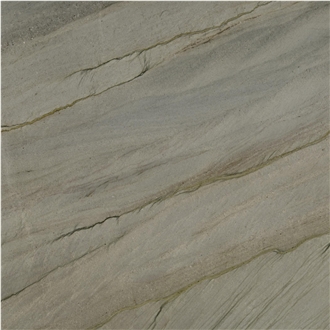
Bellagio Quartzite is a luxurious and durable natural stone renowned for its soft white and creamy background, accented with delicate gray, taupe, and gold veining. The veining is subtle yet elegant, creating a refined and sophisticated aesthetic suitable for a wide range of design applications.

Texture & Pattern:

  • Texture: Medium to fine grain
  • Pattern: Flowing linear and wave-like veining with occasional mineral flecks
  • Visual effect: Soft, natural, and elegant appearance with a sense of depth and movement

Test Results:

  • Hardness (Mohs): 7–8
  • Compressive Strength: 120–140 MPa
  • Flexural Strength: 15–20 MPa
  • Water Absorption: 0.23%
  • Apparent Density: 2646 kg/m³ 

Chemical & Mineral Composition (% by weight):

  • Quartz: 93%
  • Muscovite: 5%
  • Opaque Minerals: 2%
  • Zircon: Trace
  • Apatite: Trace

Usage:

  • Kitchen countertops, islands
  • Bathroom vanities
  • Flooring and wall cladding
  • Fireplace surrounds
  • Exterior façades (with appropriate finish)

Maintenance:

  • Clean with pH-neutral stone cleaners
  • Periodic sealing recommended depending on exposure
  • Avoid acidic or abrasive cleaners to preserve veining and surface integrity

FAQ

How can I clean the grout of Bellagio Quartzite wall tiles?

Cleaning the grout of Bellagio Quartzite wall tiles involves several careful steps to ensure that the tiles are not damaged while effectively cleaning the grout. Here’s a step-by-step guide you can follow: 1. **Gather Materials**: - Soft-bristle brush or a grout brush - pH-neutral stone cleaner - Warm water - Soft cloths or sponges - Baking soda (optional) - Hydrogen peroxide (optional) - Spray bottle 2. **Preparation**: - Begin by removing any surface dust or debris from the tiles and grout with a dry, soft cloth or a vacuum with a brush attachment. 3. **Dilute Stone Cleaner**: - Mix a pH-neutral stone cleaner with warm water according to the instructions on the product label. Avoid acidic cleaners like vinegar or bleach, as they can damage natural stone and grout. 4. **Application**: - Spray or apply the diluted cleaner onto the grout lines and let it sit for about 5-10 minutes. This will help to loosen any dirt or grime. 5. **Scrubbing**: - Use a soft-bristle brush or a grout brush to gently scrub the grout lines. Be careful not to scrub too hard, as aggressive cleaning can damage both the grout and the quartzite tiles. 6. **Rinse**: - Rinse the area with clean, warm water. Use a soft cloth or sponge to remove any remaining cleaner and grime. 7. **Tough Stains**: - For stubborn stains, make a paste with baking soda and water, or baking soda and hydrogen peroxide for more stubborn stains. Apply the paste to the grout, let it sit for 5-10 minutes, then scrub gently and rinse with clean water. 8. **Dry**: - Use a dry, soft cloth to wipe down the tiles and grout. This will prevent water spots on the quartzite and ensure the grout dries properly. 9. **Sealing (Optional)**: - Consider applying a grout sealer after the grout has completely dried to help protect it from future stains and moisture infiltration. 10. **Regular Maintenance**: - To keep the grout looking fresh, regular cleaning with a gentle stone cleaner and immediate cleanup of any spills will help maintain its appearance. By following these steps, you can effectively clean the grout without damaging the Bellagio Quartzite wall tiles. Always test any cleaning solution on a small, inconspicuous area first to ensure there’s no adverse reaction.

My Bellagio Quartzite bathroom countertop has turned yellow; how can I restore it to its original color?

Restoring your Bellagio Quartzite bathroom countertop to its original color involves a few careful steps. Before proceeding, its important to ensure youre using materials and methods appropriate for natural stone to avoid further damage. Here’s a guide to help you with the process: 1. **Cleaning:** Start by thoroughly cleaning the countertop with a pH-neutral stone cleaner. Avoid acidic or abrasive cleaners as they can damage the stone. Use a soft cloth or sponge to gently wipe down the surface. 2. **Identify the Cause:** - If the yellowing is due to organic materials or soap scum, a light poultice might be needed. - If it’s due to oxidation or mineral deposits, this process might be more complex. 3. **Poultice for Stains:** - Prepare a poultice using a mix of baking soda and water or use a commercial poultice. The consistency should be like thick paste. - Apply the poultice to the affected area and cover with plastic wrap. Allow it to sit for 24-48 hours to draw out the stain. - Remove the plastic and let the poultice dry completely, then wipe it away with a soft cloth. 4. **Rinse and Dry:** Rinse the countertop thoroughly with clean water and dry it using a soft towel. This helps in removing any residues left from cleaning solutions or poultices. 5. **Sealing:** After cleaning and ensuring that the countertops are totally dry, apply a penetrating stone sealer to protect the surface from future stains. Follow the manufacturer’s instructions for the best results. 6. **Regular Maintenance:** Regular cleaning with a gentle product and promptly wiping up any spills can prevent future yellowing. Avoid placing acidic products directly on the surface. 7. **Professional Help:** If the yellowing is extensive or does not improve with these steps, it might be best to consult with a professional stone restoration service. They can provide a deeper clean and polish if necessary. Consistently maintaining your quartzite with gentle cleaning and sealing will help preserve its natural color and beauty over time.

Will a hot pot leave a mark on a Bellagio Quartzite kitchen countertop?

Bellagio Quartzite is a natural stone that is known for its durability and heat resistance, making it a popular choice for kitchen countertops. However, while quartzite is generally more resistant to heat than some other countertop materials, it is still possible for a hot pot to leave a mark if the temperature is high enough or if the pot is left in place for an extended period. To minimize the risk of damage, its advisable to use trivets or hot pads when placing hot pots or pans on any type of countertop, including Bellagio Quartzite. This precaution not only helps protect the stone but also ensures the longevity of the sealer that may have been applied to the surface. In summary, while quartzite is quite resilient, taking extra care with hot items is always a good practice to prevent potential damage.

If lemonade spills on a Bellagio Quartzite kitchen countertop, will it damage the surface?

Bellagio Quartzite is a natural stone that is known for its durability and resistance to scratching and heat. However, like many natural stones, it is not completely impervious to acidic substances. Lemonade, being acidic due to its lemon content, has the potential to etch or dull the polish of the quartzite surface over time if left to sit for an extended period. To prevent any potential damage, its best to clean up spills quickly. Wipe the surface with a soft cloth and a mild soap or stone cleaner, then rinse with water and dry with a towel. Regular sealing of the quartzite can provide an additional layer of protection against acidic liquids. Always follow the manufacturers or stone suppliers care instructions to maintain the beauty and longevity of your quartzite countertop.

Can I use bleach when cleaning a Bellagio Quartzite kitchen countertop?

Its generally not recommended to use bleach or any harsh chemical cleaners on natural stone surfaces like Bellagio Quartzite. Quartzite is a durable and hard stone, but harsh chemicals can potentially damage the sealant and cause discoloration over time. Instead, use a mild dish soap mixed with warm water for regular cleaning. For disinfecting, you can use a diluted solution of isopropyl alcohol or a cleaner specifically formulated for natural stone. Always remember to rinse thoroughly with water and dry the surface with a soft cloth to avoid streaks or water spots.

If I cut meat directly on my Bellagio Quartzite kitchen countertop, will it damage the surface?

Cutting meat directly on your Bellagio Quartzite countertop is generally not recommended. While quartzite is a very hard and durable natural stone, cutting directly on it can potentially damage both the countertop and your knives. Here are a few reasons to avoid cutting directly on the surface: 1. **Scratches:** Although quartzite is highly resistant to scratches, using sharp knives directly on it can still lead to minor surface scratches over time. 2. **Staining:** Raw meat can release juices that might stain the stone if not cleaned promptly, especially if the countertop is not sealed properly or has a porous nature. 3. **Knife Damage:** Cutting on such a hard surface can quickly dull your knives, reducing their effectiveness and lifespan. 4. **Hygiene:** Cutting meat directly on the countertop isnt the most hygienic practice. Using a cutting board helps prevent cross-contamination and makes for easier cleaning. For these reasons, its best to use a cutting board to preserve both the quality of your countertop and your utensils. Regular cleaning and proper sealing of the quartzite can further help in maintaining its appearance and durability.

Products & Prices

Hot Quartzite

New Quartzite

Post Your Request

The request includes:
  1. surface finished, size
  2. quantity required