Post Your Needs

Bianca Rubella Gneiss

Semi White - Gneiss

Italy

About

Item Details

Material Type:
Gneiss
Origin:
Italy (Beura-Cardezza, Domodossola, Trontano, Villadossola, Provincia del Verbano Cusio Ossola)
Primary Color(s):
Semi White
Recommended Usage:
Kitchen and bathroom countertops, monuments, building stone, ornamental stone, stairs, interior, exterior wall and floor applications, mosaic, waterjet pattern, wall panels, table tops, window sills, balustrades, columns, wall and pool copings, pool pavers, sculptures, fireplaces, pavers, cobbles, curbstone
Additional Names:
Beola Bianco Gneiss, Bianco Beola Gneiss, Blanco Beola Gneiss, Beola Bianca Quartzite, Beola Bianca Granite, Bianca Rubella, Bianca Rubella Gneiss
Finished Surface:
Polished,Flamed,Bush Hammered,Tumbled,Brushed,Honed,Split,Machine Cut,Natural Surface,Sandblasted,Acid Washing,Combed,Leathered,Water Jet,Filled,Chiseled,Pickling

Testing

Water Absorption:
0.75 By volume %, 0.29 %
Density:
2740 kg/m3
Flexural Strength:
22.9 MPa
Compressive Strength:
131.9-133.86 MPa

Description

Bianca Rubella Gneiss Overview:

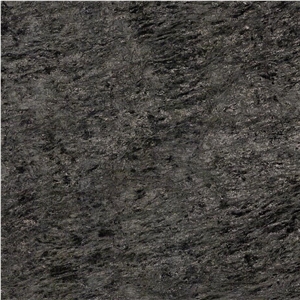
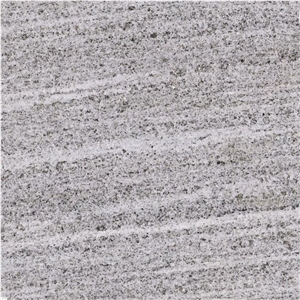
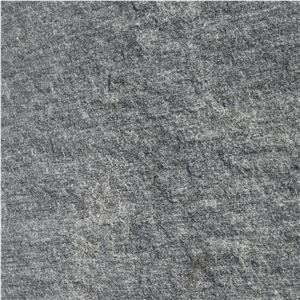
Bianca Rubella Gneiss is a visually appealing quarzitic gneiss obtained from the regions of Beura-Cardezza, Domodossola, Trontano, and Villadossola in the Provincia del Verbano Cusio Ossola, Italy. Its aesthetic qualities, comprising a soothing blend of semi-white, off-white, and silver colors, make it a popular choice for various architectural and design applications.

Physical and Mechanical Properties:

  1. Water Absorption:
  • By volume: 0.75%
  • Other measurement: 0.29%
  1. Density:
  • 2740 kg/m³
  1. Flexural Strength:
  • 22.9 MPa
  1. Compressive Strength:
  • Range: 131.9 - 133.86 MPa
  1. Hardness:
  • Likely comparable to other gneisses, but specific measurements should be confirmed through detailed testing.
  1. Porosity:
  • Low, contributing to its durability and suitability for exterior applications.
  1. Slip Resistance:
  • Typically high, though exact values require surface-specific testing.

Chemical and Mineral Composition (% by Weight):

  • Silica (SiO2): High, due to its quarzitic nature.
  • Aluminum Oxide (Al2O3): Moderate presence.
  • Potassium and Sodium Oxides (K2O, Na2O): Typical of feldspar content.
  • Other minerals:
  • Likely includes quartz, feldspar, mica, and possibly small amounts of other accessory minerals.

Usage:

  • Exterior Cladding and Facades: Due to its durability and aesthetic appeal.
  • Flooring and Paving: Ideal for high-traffic areas owing to its strength.
  • Interior Applications: Includes countertops, wall panels, and decorative stonework.
  • Monuments and Sculptures: Suitable for artistic and commemorative purposes.

Maintenance:

  • Regular Cleaning: Use neutral pH cleaners to maintain surface integrity.
  • Sealing: While generally low-porosity, periodic sealing can enhance longevity and appearance, especially in high-use or exterior installations.
  • Repair and Restoration: Requires occasional assessment; professional restoration may be necessary for damage.

Available Cutting Sizes (cm):

  • Slabs: Commonly in sizes up to 250 x 150 cm, variable based on quarry capabilities.
  • Tiles: Size options include 30 x 30, 60 x 60, 30 x 60, and custom dimensions as needed.

Common Surface Finish Options:

  1. Polished: For a glossy, reflective surface.
  2. Honed: Smooth but not reflective, ideal for more subdued applications.
  3. Sandblasted: For a textured, slip-resistant finish.
  4. Bush-Hammered: A rugged, tactile surface often used for exterior flooring.

Bianca Rubella Gneiss, with its robust mechanical properties and captivating appearance, is an excellent choice for both practical and decorative purposes. Its adaptability in size and finish ensures that it can meet a wide range of project specifications while maintaining elegance and functionality.

FEATURES PHYSICAL-MECHANICAL

COMPRESSION BREAKING LOAD ... 131.90 MPa

TENSILE STRENGTH TO COMPRESSION AFTER FREEZING EYELASHES ... 133.86 MPa

INHIBITION COEFFICIENT ... 0,003 %

LOAD UNITARY FLEXURAL STRENGTH ... 22.9 MPa

IMPACT RESISTANCE ... 59 cm

FRICTION WEAR ...3,50

UNIT VOLUME WEIGHT ...2740 Kg/m3

FAQ

Can Italy's Bianca Rubella Gneiss be used exterior applications in very dusty climates?

There is no public information available about an individual named Bianca Rubella Gneiss from Italy, so it is not possible to determine if this persons name is associated with a type of stone or material that can be used for exterior applications in dusty climates. It is recommended to consult with stone suppliers or experts in the field to obtain detailed information about specific materials and their suitability for different environments.

Can Italy's Bianca Rubella Gneiss be used in floor coverings?

Bianca Rubella Gneiss is a type of gneiss rock that is found in Italy. Gneiss is a metamorphic rock that is typically used in construction and can be used for various purposes including flooring. However, whether Bianca Rubella Gneiss specifically can be used in floor coverings depends on several factors. Firstly, the characteristics of the gneiss rock need to be suitable for flooring. Gneiss is known for its durability, strength, and resistance to wear, making it a popular choice for flooring materials. If Bianca Rubella Gneiss exhibits similar properties, then it can potentially be used in floor coverings. Secondly, the aesthetic qualities of the Bianca Rubella Gneiss need to be considered. Flooring materials are often chosen based on their appearance, and if the color, pattern, and texture of the gneiss match the desired aesthetic for floor coverings, it can be a viable option. Lastly, the availability and cost of Bianca Rubella Gneiss need to be taken into account. If it is readily available and affordable, it can be a practical choice for floor coverings. Overall, while it is possible that Bianca Rubella Gneiss can be used in floor coverings, the specific characteristics of the rock, its aesthetic appeal, and its availability and cost will determine its suitability for this purpose.

Can Italy's Bianca Rubella Gneiss be used in a office?

It is not clear what Bianca Rubella Gneiss refers to. Gneiss is a type of metamorphic rock, but there is no well-known rock with the exact name Bianca Rubella Gneiss associated with Italy. Additionally, it is unclear how this rock would be used in an office context. Generally, the use of stones and rocks in an office setting would depend on the specific requirements and design preferences of the space.

How thick is Italy's Bianca Rubella Gneiss slabs?

The thickness of Italys Bianca Rubella Gneiss slabs may vary, but typically they range from 2 centimeters (0.8 inches) to 3 centimeters (1.2 inches). However, it is important to note that thickness specifications can be customized based on individual requirements and preferences.

Are there color variations of Italy's Bianca Rubella Gneiss?

Yes, there are some color variations of Italys Bianca Rubella Gneiss. Bianca Rubella Gneiss is a type of metamorphic rock that is mainly composed of quartz, feldspar, and mica. Most of the time, the rock appears gray, white, or pale pink due to its mineral composition and texture. However, some samples of Bianca Rubella Gneiss may show variations in color, such as yellow, green, or reddish tones due to the presence of other minerals. These variations usually depend on the specific location and geological history of the rock.

What is the coefficient of friction of Chiseled Italy's Bianca Rubella Gneiss tiles?

I dont have access to specific information about the coefficient of friction of Chiseled Italys Bianca Rubella Gneiss tiles. However, the coefficient of friction can vary depending on several factors such as texture, finishing, and the environment in which the tiles are placed. It is recommended to consult with the manufacturer or a professional installer for specific information regarding the coefficient of friction of a particular tile.

Can Italy's Bianca Rubella Gneiss be used indoors?

I do not have information on the specific use of Bianca Rubella Gneiss in Italy. However, generally speaking, gneiss is a durable and versatile natural stone that is commonly used for flooring, countertops, and wall cladding indoors. Bianca Rubella Gneiss, in particular, has a distinctive white and pink coloration that may complement many interior design styles. It is important to note that the suitability of any stone for indoor use depends on a variety of factors, such as its hardness, porosity, and chemical composition, as well as the intended use and the conditions in the intended environment. It is recommended to consult with a stone specialist or a licensed contractor before selecting and installing natural stone in any indoor space.

Is Italy's Bianca Rubella Gneiss an expensive stone?

I am not able to provide the current market prices of stones or any financial information. However, Bianca Rubella Gneiss is a relatively rare and unique type of stone, and the price may vary depending on factors such as availability, sourcing, cutting, and finishing techniques. It is recommended to consult with a professional stone supplier or contractor for current pricing and to discuss options that best fit your project and budget.

Products & Prices

Hot Semi White Gneiss

New Gneiss

Post Your Request

The request includes:
  1. surface finished, size
  2. quantity required