Post Your Needs

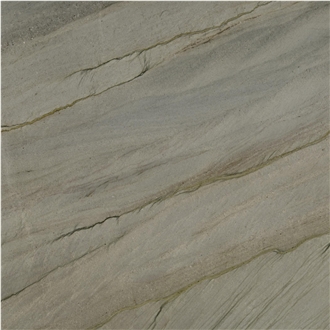
Blue Biscaia Quartzite

Quartzite

Brazil

About

Item Details

Material Type:
Quartzite
Origin:
Brazil
Recommended Usage:
kitchen and bathroom countertop, wash basins, building stone, ornamental stone, stairs, interior wall and floor applications, mosaic, water-jet pattern, wall panels, table tops, balustrades, columns, fireplaces, luxury furnitures
Additional Names:
Breccia Blue Quartzite, Azul Biscaia Quartzite
Finished Surface:
Polished,Bush Hammered,Tumbled,Brushed,Honed,Split,Machine Cut,Natural Surface,Sandblasted,Combed,Leathered,Water Jet,Chiseled,Pickling

Testing

Water Absorption:
0.1 – 0.25% by weight
Density:
2650 – 2720 kg/m³
Flexural Strength:
15 – 16 MPa
Compressive Strength:
190 – 210 MPa

Description

Blue Biscaia Quartzite from Brazil is an exotic natural quartzite distinguished by a sophisticated blend of deep blue, steel grey, and soft white tones, often arranged in flowing, linear to slightly wavy veining that creates a refined, directional movement across the slab. The overall pattern typically shows medium variation with layered mineral bands and occasional crystalline bursts, giving the stone a strong visual depth and a cool, elegant aesthetic suitable for modern architectural applications.

Texture & Structure: Fine- to medium-grained metamorphic quartzite with a dense, interlocking crystalline structure. The stone is compact, low-porosity, and highly resistant to abrasion, making it suitable for demanding applications.

Hardness & Physical Test Results:

  • Mohs hardness: ~7
  • Compressive strength: 190–210 MPa
  • Flexural strength: 15–16 MPa
  • Water absorption: 0.1–0.25% by weight
  • Bulk density: 2.65–2.72 g/cm³

Chemical Composition (% by weight):

  • SiO₂ (Quartz): 93–97%
  • Feldspar: 1–3%
  • Mica group minerals (biotite/muscovite): 1–2%
  • Iron oxides & trace minerals: <1% (responsible for blue-grey tonal variation)

Mineral Composition (% by weight):

  • Quartz (dominant recrystallized structure): 93–97%
  • Feldspathic inclusions: 1–3%
  • Accessory silicates & mica: 1–2%
  • Trace hematite/goethite influencing coloration: <1%

Usage: Ideal for luxury residential and commercial applications including kitchen countertops, bathroom vanities, feature walls, flooring, staircases, reception desks, hotel lobbies, façades, and exterior cladding due to its durability and low water absorption.

Maintenance: Requires minimal maintenance. Recommended sealing after installation and periodic resealing depending on usage intensity. Clean using pH-neutral stone cleaners; avoid acidic or abrasive products to preserve surface integrity and color depth.

Surface Finish Options: Polished, honed, leathered, brushed, flamed, sandblasted, tumbled, and waterjet-cut finishes. Each finish enhances different aspects of the stone’s tonal contrast and veining clarity, from high-gloss reflective surfaces to natural matte textures. Blue Biscaia Quartzite is valued for its balance of strength, elegance, and natural movement, making it a premium material for high-end architectural and design projects.

FAQ

If I use 1.2 cm thick Blue Biscaia Quartzite as a table top, will it be strong enough? Will it break easily?

Using 1.2 cm (approximately 0.47 inches) thick Blue Biscaia Quartzite as a tabletop can be feasible, but it comes with some considerations regarding its strength and durability. Quartzite is a naturally occurring metamorphic rock that is typically very hard and durable, making it a popular choice for countertops and tabletops. However, the thickness of the material plays a crucial role in its ability to withstand weight and daily use. 1. **Strength**: The inherent strength of quartzite means it is resistant to scratches and heat. However, 1.2 cm is relatively thin for a stone tabletop. Most stone countertops are usually at least 2-3 cm thick to ensure they can support weight without flexing or cracking. 2. **Support**: If you choose to use a 1.2 cm thick quartzite tabletop, it will need adequate support. This might include a robust base or substrate beneath the quartzite to help distribute weight evenly and reduce stress on the stone. 3. **Risk of Breaking**: A thinner slab like 1.2 cm is more likely to crack or break under impact compared to thicker options, especially if subjected to heavy loads or if there are unsupported spans. 4. **Professional Advice**: Consider consulting with a stone professional or structural engineer. They can assess your specific situation, including the span and support of the tabletop, to determine if additional reinforcement is needed. 5. **Applications**: For lower risk applications like small side tables, end tables, or decorative uses, 1.2 cm may be sufficient, but for larger dining or workspace tabletops, thicker material is generally recommended. In summary, while Blue Biscaia Quartzite is a strong and durable material, 1.2 cm thickness is quite thin for a tabletop, and appropriate support is crucial to prevent breakage.

The hot pan left a mark on my Blue Biscaia Quartzite kitchen countertop—how can I clean it?

Blue Biscaia Quartzite is a durable and natural stone, but it can still be susceptible to heat marks or discoloration if a hot pan is placed directly on it. To clean and possibly restore the appearance of your quartzite countertop, follow these steps: 1. **Cool and Assess the Damage:** - First, ensure the countertop is completely cooled down. - Assess the mark to determine if its a surface level blemish or deeper. 2. **Clean the Surface:** - Start by cleaning the affected area with warm water and a mild dish soap. Use a soft cloth or sponge to gently scrub the area. 3. **Dry It:** - Use a clean, dry cloth to wipe away any remaining moisture or residue. 4. **Try a Baking Soda Paste:** - If the mark persists, create a paste using baking soda and water. Apply it to the blemished area and let it sit for several hours or overnight. The slightly abrasive nature of baking soda can help lift minor marks. - Wipe away the paste with a damp cloth and dry the area thoroughly. 5. **Use a Specialized Stone Cleaner:** - If the baking soda paste does not work, you may use a stone cleaner specifically formulated for natural stone surfaces. Follow the product instructions carefully. 6. **Polish the Surface:** - After cleaning, consider polishing the area with a stone polish designed for quartzite. This might help to restore the gloss and mask any remaining blemish. 7. **Seek Professional Help:** - If the mark is deep or is not resolved by the above methods, you might need to contact a professional stone care specialist. They may be able to hone or refinish the countertop to remove the damage. To prevent future marks, always use trivets or hot pads under pots and pans, and maintain regular sealing of your quartzite countertop if applicable.

If lemonade spills on a Blue Biscaia Quartzite kitchen countertop, will it damage the surface?

Blue Bischia Quartzite, like other natural stone countertops, is generally quite durable and resistant to many types of spills. However, because quartzite is a natural stone, it is porous to some degree and can be susceptible to staining and etching if acidic substances, like lemonade, are left on the surface for extended periods. To prevent damage, it is best to clean up spills immediately. Use a soft cloth or paper towel to blot the liquid, and then clean the area with a mild soap and water solution. Its also a good idea to have your quartzite countertops sealed regularly to enhance their stain resistance. Regular sealing will help protect against potential damage from acidic substances and prolong the life of your countertop.

Can I use bleach when cleaning a Blue Biscaia Quartzite kitchen countertop?

It is generally not recommended to use bleach on natural stone surfaces like Blue Bahia Quartzite. Bleach is a harsh chemical that can discolor or damage the stone over time, removing its natural shine and beauty. Instead, you should use a mild, pH-balanced cleaner specifically designed for natural stone surfaces. Alternatively, you can use a mixture of warm water and a gentle dish soap. Always ensure to rinse the countertop thoroughly with water after cleaning to remove any residue. Regularly sealing the countertop, as per the manufacturers recommendations, can also help protect the stone and maintain its appearance.

If I cut meat directly on my Blue Biscaia Quartzite kitchen countertop, will it damage the surface?

Cutting meat directly on your Blue Biscaia Quartzite countertop is not advisable, as it could potentially damage both the countertop and your knives. While quartzite is a very hard and durable natural stone, making it resistant to scratches and etching compared to softer stones, its still best to use a cutting board. Cutting directly on the surface can dull your knives and may cause scratches or chips over time, affecting the countertops appearance. Additionally, using a cutting board can help maintain the hygiene of your kitchen by preventing any food juices from seeping into the stone, even though quartzite is less porous than some other natural stones. Always use a cutting board to ensure the longevity and beauty of your countertops.

My Blue Biscaia Quartzite kitchen countertop edge is broken. How can I glue it back, and will it look like before?

Fixing a broken edge on a Blue Biscaia Quartzite countertop can be a delicate process, but with the right materials and techniques, you can achieve a satisfactory result. Here’s a step-by-step guide to help you repair it: ### Materials Needed: - Epoxy resin or stone repair adhesive - Tinting pigments (optional, to color match the stone) - Masking tape - Clamps or heavy-duty tape - Putty knife or spatula - Sandpaper (various grits, e.g. 120, 220, 400, and 600) - Polishing compound or stone sealant - Clean cloths ### Steps: 1. **Clean the Area:** - Clean the broken edge and the detached piece thoroughly with water and a mild detergent. Make sure all dust and debris are removed. Let it dry completely. 2. **Prepare the Epoxy:** - Mix the epoxy resin or stone repair adhesive according to the manufacturers instructions. If required, you can use tinting pigments to match the color of the quartzite. Be careful to achieve the closest color match so the repair blends seamlessly. 3. **Apply the Epoxy:** - Apply the mixed epoxy to both the broken edge and the detached piece using a putty knife or spatula. Make sure the adhesive covers the entire surface area to ensure a strong bond. 4. **Reattach the Piece:** - Carefully align the broken piece with the countertop edge. Press it firmly into place to ensure a snug fit. 5. **Secure the Repair:** - Use clamps or heavy-duty tape to hold the piece in place while the epoxy cures. Follow the adhesive manufacturer’s instructions for the curing time, usually several hours to overnight. 6. **Finish the Surface:** - Once the epoxy has cured, remove any excess adhesive that may have seeped out during the process. Start sanding with a coarse grit paper and progress to finer grits (120, 220, 400, 600) to smooth the surface and blend the repair with the rest of the countertop. 7. **Polish and Seal:** - Apply a polishing compound or stone sealant to restore the shine and protect the surface. Buff the area with a clean cloth until you achieve the desired finish. ### Considerations: - **Professional Help:** If the break is extensive or requires precise color matching, it might be best to consult a professional stone repair specialist. They have the tools and expertise to ensure a high-quality finish. - **Aesthetic Outcome:** While DIY repairs can be effective, the repaired area might still be slightly visible, especially if the color match isn’t perfect. Professional repairs typically offer the most seamless results. - **Prevention:** To avoid future damage, use cutting boards and trivets to protect the countertops from heavy impacts, heat, and sharp objects. Remember to always follow the safety guidelines of the adhesives and other products you’re using, such as working in a well-ventilated area and wearing gloves.

Products & Prices

Hot Quartzite

New Quartzite

Post Your Request

The request includes:
  1. surface finished, size
  2. quantity required