Post Your Needs

Blue Tellus Quartzite

Quartzite

Brazil

About

Item Details

Material Type:
Quartzite
Origin:
Brazil
Recommended Usage:
kitchen and bathroom countertop, wash basins, building stone, ornamental stone, stairs, interior wall and floor applications, mosaic, water-jet pattern, wall panels, table tops, balustrades, columns, fireplaces, luxury furniture
Additional Names:
Tellus Azul Quartzite, Azul Tellus Quartzite
Finished Surface:
Polished,Tumbled,Brushed,Honed,Split,Machine Cut,Natural Surface,Sandblasted,Combed,Leathered,Water Jet,Chiseled,Pickling

Testing

Water Absorption:
0.18 – 0.34%
Density:
2660 – 2700 kg/m³
Flexural Strength:
15 – 20 MPa
Compressive Strength:
160 – 180 MPa

Description

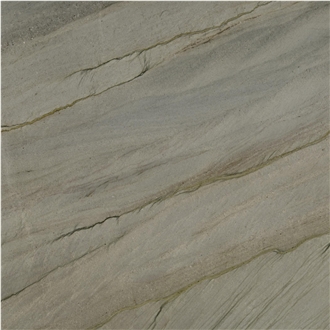
Blue Tellus Quartzite is an exotic natural stone quarried in Brazil, highly valued for its dramatic and vibrant blue to blue-green coloration combined with flowing white, grey, and earthy mineral veining that creates a bold, artistic movement across each slab. Its visual pattern is highly dynamic, often resembling wave-like or cloud formations, with strong natural variation that makes every piece unique and suitable for luxury architectural statement applications.

Texture & Structure:

This quartzite features a dense, fine- to medium-grained crystalline structure composed of tightly interlocked quartz crystals formed under intense metamorphic conditions. The surface is compact, hard, and resistant to abrasion, with a naturally crystalline sparkle that becomes more pronounced in polished finishes. The stone exhibits very low porosity and high structural integrity.

Mineral & Chemical Composition (% by weight, typical ranges):

  • Quartz (SiO₂): 85–95%
  • Feldspar: 2–6%
  • Mica & accessory minerals: 1–5%
  • Iron oxides (trace, responsible for tonal variations): <1%

Physical & Mechanical Test Results:

  • Apparent density: 2,660 – 2,700 kg/m³
  • Water absorption: 0.18 – 0.34%
  • Compressive strength: 160 – 180 MPa
  • Flexural strength (modulus of rupture): 15 – 20 MPa
  • Abrasion resistance: High Mohs hardness: 6.5 – 7

Pattern & Appearance:

The stone shows flowing linear and cloud-like structures with bold blue gradients mixed with white and grey quartz veins. Some slabs may present dramatic contrasts and natural layering, giving a sense of movement and depth.

Surface Finish Options:

  • Polished (high gloss, enhances color depth and crystal sparkle)
  • Honed (matte, soft natural appearance)
  • Leathered (textured, enhances tactile feel and natural variation)
  • Brushed (slightly rustic, emphasizes movement)

Usage Applications:

  • Luxury countertops and kitchen islands
  • Feature walls and hotel lobbies
  • Bathroom vanities and spa interiors
  • Flooring in high-end residential and commercial spaces
  • Decorative slabs and artistic installations

Maintenance:

  • Low maintenance due to high quartz content
  • Requires periodic sealing for stain protection in wet or high-use areas
  • Clean with pH-neutral stone cleaners only
  • Avoid strong acids and abrasive chemicals
  • Highly resistant to scratching and heat compared to marble

Blue Tellus Quartzite is considered a premium exotic stone, combining durability with a striking visual identity, making it ideal for high-end architectural and design projects.

FAQ

Blue Tellus Quartzite has its own natural veins. If I use it as stair steps, will it break along these veins?

Blue Tellus Quartzite, like other natural stones, does have natural veins and patterns. The structural integrity of the stone can be influenced by these veins, but quartzite is generally known for its durability and strength. When properly cut, installed, and supported, quartzite can make a stable and long-lasting material for stair steps. However, it is important to consider a few factors to ensure the best results: 1. **Quality of Stone**: Select high-quality quartzite without significant fractures or weaknesses along the veins. 2. **Cut and Orientation**: Ensure the stone is cut such that the veins do not compromise the strength of the steps. When the veins run perpendicular to the primary stress direction, the risk of breaking along them is reduced. 3. **Thickness**: Use appropriately thick slabs to maintain structural integrity. 4. **Installation**: Professional installation is crucial. Proper support, such as solid substructures and correct adhesive use, will help prevent any undue stress on the stone. 5. **Maintenance**: Regular maintenance, such as sealing and cleaning, will protect the surface and preserve its appearance and durability. While there is some risk associated with the natural veins, proper handling can minimize the potential for breakage, making Blue Tellus Quartzite a viable and aesthetically pleasing choice for stair steps.

Can Blue Tellus Quartzite be used as paving stone in areas with heavy snowfall in winter? Is it frost-resistant?

Blue Tellus Quartzite can be a suitable option for paving stone in areas with heavy snowfall, provided it is demonstrated to have the necessary frost resistance. Quartzite, in general, is known for its durability and resistance to weathering, making it a popular choice for outdoor applications. Its high density and low porosity often make it more resistant to frost damage compared to some other natural stones. However, its essential to verify the specific frost resistance of the particular Blue Tellus Quartzite you plan to use, as variations in the stones composition can affect its performance. To ensure suitability, you should: 1. **Check Specifications:** Consult the supplier or manufacturer for information on the stones frost resistance and ensure it meets the standards for outdoor use in cold climates. 2. **Installation Practices:** Ensure proper installation, including adequate sealing and the use of a suitable sub-base, to prevent water infiltration and reduce the risk of frost-related damage. 3. **Maintenance:** Regular maintenance, such as sealing and cleaning, can help prolong the life of the paving stones and preserve their appearance. By selecting a high-quality stone and following proper installation and maintenance practices, Blue Tellus Quartzite can effectively be used as a paving material in snowy and frosty areas.

Can 18mm thick Blue Tellus Quartzite be used for kitchen countertop?

Blue Tellus Quartzite, with a thickness of 18mm, can generally be used for a kitchen countertop, but there are a few considerations to keep in mind: 1. **Support**: Typically, countertops are thicker, around 30mm (1.25 inches) to ensure durability and strength. An 18mm thickness is relatively thin and may require additional support or substrate to prevent sagging or cracking, especially across longer spans. 2. **Durability**: Quartzite is a very hard and durable natural stone, but the thinner slab might be more susceptible to damage from heavy impacts. Reinforcement through additional support or substrate can mitigate this risk. 3. **Aesthetics**: Some people prefer the look of thicker countertops. If the visual aesthetic of a thinner countertop is desired, or if the weight or cost is an issue, a 20mm slab can present a sleek, modern look and still be very functional with proper support structure. 4. **Installation**: Professional installation is crucial for thinner slabs to ensure that they are properly supported and secured. Experienced installers will understand the need for proper substrates and edge treatments to enhance both the durability and appearance. 5. **Edge Profiles**: With thinner slabs, there may be limitations on the types of edge profiles that can be used. If a particular decorative edge is desired, discuss this with the fabricator/installer to see what is feasible. 6. **Cost**: Using an 18mm slab can sometimes be more cost-effective than thicker slabs, but weigh this against the potential need for additional supporting structures. It’s important to consult with your fabricator or a professional installer to discuss how best to use an 18mm thick slab for your specific kitchen design and needs. They can suggest the best practices for installation and the required support to ensure the countertop is both beautiful and functional.

How can I repair the scratched surface of the Blue Tellus Quartzite steps?

Repairing scratches on Blue Tellus Quartzite steps involves a few careful steps to restore the surface. Heres how you can do it: 1. **Clean the Surface**: - Start by thoroughly cleaning the quartzite steps with mild dish soap and warm water. Use a soft cloth or a non-abrasive sponge to remove any dirt, debris, or stains. Rinse well and let it dry completely. 2. **Evaluate the Scratches**: - Inspect the scratches to determine their depth. Light surface scratches can often be polished out, while deeper scratches might require more work or professional assistance. 3. **Polishing Light Scratches**: - **Materials Needed**: Stone polishing compound, a soft cloth, and an electric polisher (optional). - Apply a small amount of polishing compound to a soft cloth. Rub it over the scratched area in a circular motion. If youre using an electric polisher, ensure its set to a low speed and gently buff the area. - Wipe away any excess compound with a clean cloth and check if the scratch is less visible. You may need to repeat this step several times for optimal results. 4. **Deeper Scratches** (May require professional help): - If the scratches are too deep, you might need to sand the area with fine-grit sandpaper, such as 400 to 600 grit. Use circular motions and keep a steady hand to avoid creating uneven surfaces. - After sanding, clean the area thoroughly and apply a stone polish or a sealant designed for quartzite to protect the surface. 5. **Sealing (Optional but Recommended)**: - Once the scratches are removed or minimized, consider applying a high-quality stone sealant to protect your quartzite steps. This will minimize the risk of future scratches and stains. - Follow the manufacturers instructions when applying the sealant. Typically, you’ll apply it with a soft cloth or a roller, let it sit for the recommended time, and then buff away any excess. 6. **Regular Maintenance**: - To prevent future damage, regularly clean your quartzite steps and use rugs or mats in high-traffic areas. Avoid dragging heavy objects across the surface. If at any point youre unsure about the process or if the damage is extensive, consulting with or hiring a professional who specializes in natural stone repair might be the best course of action.

Is Blue Tellus Quartzite with a polished surface good for house flooring?

Blue Tellus Quartzite can be a good option for house flooring, as quartzite is known for its durability and aesthetic appeal. Here are several factors to consider: 1. **Durability:** Quartzite is an extremely hard natural stone, which makes it resistant to scratches, wear, and tear. Its well-suited to high-traffic areas of the home. 2. **Polished Surface:** A polished finish gives the stone a glossy, reflective surface that can enhance the appearance of a room by making it look brighter and more spacious. However, polished surfaces can also be slippery when wet, so consider this if the area is prone to spills or moisture. 3. **Aesthetic Appeal:** Blue Tellus Quartzite has unique veining and patterns that can add a sophisticated and luxurious look to your floors. The color and design should complement your interior design vision. 4. **Maintenance:** Quartzite is relatively easy to maintain. Regular sweeping and damp mopping are usually sufficient to keep it clean. However, it might require periodic sealing to protect against stains. 5. **Cost:** Quartzite can be more expensive than other flooring options like ceramic tiles or laminate. Consider your budget when making a decision. 6. **Installation:** Proper installation is crucial to ensure durability and aesthetic appeal. Ensure you hire experienced professionals for the installation process. Ultimately, whether Blue Tellus Quartzite is a good choice depends on your specific needs, preferences, and the conditions of the environment where it will be installed.

Is Blue Tellus Quartzite a suitable choice for gravestones?

Blue Tellus Quartzite can be a suitable choice for gravestones, depending on several factors and preferences. Here are some considerations to keep in mind: 1. **Durability**: Quartzite is generally known for its durability and resistance to weathering, making it a good choice for outdoor use and gravestones. It can withstand various climate conditions and wear over time. 2. **Appearance**: The aesthetic appeal of Blue Tellus Quartzite, with its unique color and pattern, may be desirable for those looking for a distinctive and beautiful gravestone. The specific blue and grey tones can complement personal or cultural preferences. 3. **Maintenance**: Like other natural stones, quartzite may require regular maintenance to preserve its appearance. It might need periodic cleaning and sealing to maintain its polish and prevent staining. 4. **Cost**: Quartzite can be more expensive compared to other types of stone due to its aesthetic qualities and durability. Its important to consider your budget when selecting a material. 5. **Workability**: The hardness of quartzite can make it more challenging to work with, potentially affecting the complexity of the designs or inscriptions you wish to include on the gravestone. 6. **Environmental Considerations**: If sustainability is a factor for you, consider the environmental impact of quarrying and transporting the stone. Before making a decision, it might be helpful to consult with a stonemason or a memorial supplier to discuss whether Blue Tellus Quartzite is the best fit for your specific needs and to explore any other alternatives that might suit your requirements.

Is Blue Tellus Quartzite suitable for sculpture, and is it durable outdoors?

Blue Tellus Quartzite can be a suitable material for sculpture due to its attractive appearance and natural strength. Quartzite, in general, is known for its hardness and durability, qualities that make it a good choice for detailed and lasting sculptural works. The unique blue tones of Blue Tellus Quartzite can give sculptures a distinctive aesthetic, adding visual interest. Regarding its durability outdoors, quartzite is typically very resilient to weathering. It can withstand various environmental conditions, including temperature fluctuations, moisture, and UV exposure, better than many other stones. Its hardness makes it less prone to scratching and abrasion, which also contributes to its suitability for outdoor installations. However, its important to note that the specific performance of Blue Tellus Quartzite can depend on its exact mineral composition and quality. Proper sealing and maintenance are recommended to enhance its longevity and appearance, especially in harsh climates. Consulting with a stone professional or supplier for guidance tailored to specific projects is always advisable.

Hot Quartzite

New Quartzite

Post Your Request

The request includes:
  1. surface finished, size
  2. quantity required