Post Your Needs

Cappadocia Quartzite

Quartzite

Brazil

About

Item Details

Material Type:
Quartzite
Origin:
Brazil
Recommended Usage:
kitchen and bathroom countertops, wash basins, building stone, ornamental stone, stairs, interior, exterior wall and floor applications, mosaic, waterjet pattern, wall panels, table tops, balustrades, columns, wall and pool copings, pool pavers, sculptures, fireplaces, window sills
Additional Names:
Cappadocia Gold Quartzite, Cappadocia Giallo Quartzite, Cappadocia Quartzite
Finished Surface:
Polished,Bush Hammered,Tumbled,Brushed,Honed,Split,Machine Cut,Natural Surface,Sandblasted,Combed,Leathered,Water Jet,Filled,Chiseled,Pickling

Testing

Water Absorption:
0.10% – 0.25%
Density:
2630 – 2720 kg/m³
Flexural Strength:
14 – 20 MPa
Compressive Strength:
200 – 260 MPa

Description

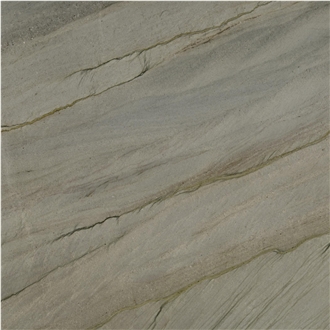
Cappadocia Quartzite is an elegant Brazilian natural stone defined by a soft, harmonious color palette of ivory, cream, and pale beige tones, delicately enriched with subtle lavender, light grey, and faint golden-brown veining. The overall appearance evokes sunlit sandstone formations and misty desert landscapes, offering a calm, sophisticated, and timeless aesthetic suitable for high-end architectural applications. Its natural variation across slabs enhances its organic beauty while maintaining a refined visual consistency.

Texture & Pattern:

Cappadocia Quartzite exhibits a fine- to medium-grained crystalline texture with a dense, metamorphic structure typical of high-quality quartzite. The pattern is characterized by fluid, wave-like layering and softly undulating mineral bands that resemble the eroded rock formations of Cappadocia valleys. These layers range from thin, wispy striations to broader, more defined mineral bands, creating a continuous sense of motion and depth, similar to frozen desert winds or flowing watercolor patterns. The surface is smooth and compact, with excellent polish response that enhances its subtle tonal transitions.

Physical & Mechanical Test Results (Typical):

  • Density: 2,630 – 2,720 kg/m³
  • Water Absorption: 0.10% – 0.25%
  • Compressive Strength: 200 – 260 MPa
  • Flexural Strength: 14 – 20 MPa
  • Abrasion Resistance: Very High
  • Hardness (Mohs): 7 – 7.5

Chemical Composition (% by weight):

  • SiO₂: 90 – 97%
  • Al₂O₃: 1 – 4%
  • Fe₂O₃: 0.2 – 1.5%
  • K₂O + Na₂O: 0.5 – 2%
  • CaO: <1%
  • MgO: <1%

Mineralogical Composition (% by weight):

  • Quartz: 90 – 98%
  • Accessory feldspar: 1 – 5%
  • Mica / trace minerals: <2%

Applications:

Ideal for luxury residential and commercial applications including kitchen countertops, bathroom vanities, flooring, wall cladding, staircases, feature walls, reception counters, hotel lobbies, spa interiors, façades, and high-end architectural design projects. Its soft neutral tones make it particularly suitable for minimalist, Mediterranean, and contemporary interior styles.

Surface Finish Options:

Polished, Honed, Leathered, Brushed, Flamed, Sandblasted, Waterjet Cut, Machine-Cut

Maintenance:

Cappadocia Quartzite is extremely durable and low maintenance due to its high quartz content. Regular cleaning with mild soap and water is sufficient. Periodic sealing is recommended for countertops and exterior installations to enhance stain resistance and preserve its natural elegance over time.

FAQ

Can Cappadocia Quartzite be used for kitchen countertop?

Yes, Cappadocia Quartzite can be used for kitchen countertops. Quartzite is a naturally occurring metamorphic rock that is highly durable and resistant to heat and scratches, making it an excellent material for kitchen surfaces. Cappadocia Quartzite, in particular, is known for its beautiful and unique patterns, which can add a luxurious touch to any kitchen. However, as with all natural stones, its important to properly seal and maintain it to prevent staining and to preserve its appearance. When considering any natural stone for your kitchen, its advisable to consult with a professional to ensure it meets your specific needs and preferences.

How can I clean the grout of Cappadocia Quartzite wall tiles?

Cleaning the grout of Cappadocia Quartzite wall tiles requires careful attention to avoid damaging the stone. Here’s a step-by-step guide to help you clean the grout effectively: 1. **Gather Materials:** - Soft-bristle brush or old toothbrush - pH-neutral stone cleaner - Baking soda (optional) - Hydrogen peroxide (optional) - Microfiber cloths or soft towels - Spray bottle (optional) 2. **Prepare the Area:** - Clear any decorative items or furniture to access the grout lines easily. - Use a microfiber cloth to remove dust or loose debris from the tiles and grout. 3. **Select a Cleaner:** - Choose a pH-neutral stone cleaner to avoid any damage to the quartzite. Avoid acidic or abrasive cleaners, as these can etch the stone surface. 4. **Apply the Cleaner:** - If using a ready-made cleaner, follow the product instructions for application. - For a homemade paste, mix baking soda with a small amount of water to form a gentle paste. You can also use a mixture of hydrogen peroxide and baking soda for tougher stains. 5. **Scrub the Grout:** - Apply the cleaner or paste along the grout lines. - Gently scrub the grout using a soft-bristle brush or toothbrush. Be careful to focus on the grout lines and not the stone to prevent scratching. 6. **Rinse Thoroughly:** - Use a damp microfiber cloth to wipe away the cleaner and loosened dirt. - Rinse the cloth frequently to ensure all residue is removed. 7. **Dry the Surface:** - Use a dry, clean microfiber cloth or towel to dry the tiles and grout completely. This helps prevent water spots and maintains the integrity of the grout. 8. **Sealing (Optional):** - If the grout lines appear porous or have been heavily stained, consider sealing them once cleaned and completely dry. Choose a penetrating sealer appropriate for grout and natural stone. 9. **Regular Maintenance:** - Regularly dust and wipe down your Cappadocia Quartzite tiles to prevent dirt and grime buildup, which can help prolong the time between deep cleanings. With careful attention and the right materials, you can effectively clean the grout without damaging your quartzite wall tiles.

The hot pan left a mark on my Cappadocia Quartzite kitchen countertop—how can I clean it?

Cappadocia Quartzite is a natural stone that is both durable and beautiful, but it can still be prone to damage from heat and stains if not properly cared for. If youve left a mark from a hot pan, it could be either a heat stain or an actual burn mark. Here’s what you can do to try to clean or minimize the damage: 1. **Assess the Damage**: Determine whether its a surface stain or deeper damage. Surface stains can usually be cleaned, while deeper damage may require professional help. 2. **Clean with Mild Detergent**: Use a gentle, pH-balanced stone cleaner or mild dish soap mixed with water. Gently scrub the area with a soft cloth or sponge. Rinse with water and dry thoroughly. 3. **Baking Soda Poultice**: For persistent marks, you can try making a poultice paste with baking soda and water. Apply the paste to the stain, cover it with plastic wrap, and let it sit for 24 hours. Remove the plastic wrap and poultice, then gently clean the area. 4. **Use Hydrogen Peroxide**: For more stubborn marks, you can use a mixture of hydrogen peroxide and a little bit of baking soda to form a paste. Apply this to the mark, cover it, and leave it for up to 24 hours before wiping it away and rinsing thoroughly. 5. **Stone Cleaner or Powder**: Consider using a commercial stone cleaner or powder specifically formulated for quartzite. Follow the instructions carefully. 6. **Avoid Acidic Cleaners**: Avoid using vinegar, lemon juice, or other acidic substances as they can etch the stone. 7. **Professional Help**: If the mark persists, it may be a burn that requires professional stone restoration. An expert can polish or even out the surface to help reduce or eliminate the damage. 8. **Seal Regularly**: Make sure your countertop is properly sealed to provide an extra layer of protection. Prevention is key, so always use trivets or hot pads when placing hot pans on your countertop in the future.

If lemonade spills on a Cappadocia Quartzite kitchen countertop, will it damage the surface?

Cappadocia Quartzite is a natural stone that is known for its durability and resistance to heat and scratches. However, like many natural stones, it can be susceptible to etching or staining when in contact with acidic substances like lemon juice. When lemonade spills on a quartzite countertop, its important to wipe it up promptly to avoid any potential damage. Though quartzite is more resistant to acids compared to marble, prolonged exposure can still cause etching or surface dullness. To maintain the appearance of your quartzite countertop, it is recommended to clean spills quickly and use a pH-neutral cleaner for regular maintenance. Additionally, sealing the countertop periodically can provide an extra layer of protection against potential stains.

Can I use bleach when cleaning a Cappadocia Quartzite kitchen countertop?

Using bleach on a Cappadocia Quartzite kitchen countertop is not recommended. Quartzite is a natural stone, and while it is generally more durable and dense than some other natural stones, it can still be sensitive to harsh chemicals and acidic substances. Bleach can potentially damage the surface, dull the finish, and cause discoloration over time. For cleaning a quartzite countertop, it is best to use a mild dish soap or a stone cleaner specifically formulated for natural stone surfaces. Always use a soft cloth or sponge to clean, and make sure to rinse the surface thoroughly with water to remove any soap residue. Additionally, sealing the countertop as recommended by the manufacturer or installer can help protect it from stains and damage.

If I cut meat directly on my Cappadocia Quartzite kitchen countertop, will it damage the surface?

Cutting directly on any natural stone surface, including Cappadocia Quartzite, can potentially cause damage. While quartzite is a very hard and durable stone, cutting directly on it can lead to scratches on the surface over time. Additionally, using a knife on the countertop can dull the blade. To preserve the quality and appearance of your quartzite countertop, its advisable to always use a cutting board. This will help protect both the stone and your knives.

Products & Prices

Hot Quartzite

New Quartzite

Post Your Request

The request includes:
  1. surface finished, size
  2. quantity required