Post Your Needs

Capri Quartzite

Quartzite

Brazil

About

Item Details

Material Type:
Quartzite
Origin:
Brazil
Recommended Usage:
kitchen and bathroom countertop, wash basins, building stone, ornamental stone, stairs, interior wall and floor applications, mosaic, water-jet pattern, wall panels, table tops, balustrades, columns, fireplaces, luxury furniture
Additional Names:
Verde Capri Quartzite, Capri Green Quartzite, Green Capri Quartzite
Finished Surface:
Polished,Bush Hammered,Tumbled,Brushed,Honed,Split,Machine Cut,Natural Surface,Sandblasted,Combed,Leathered,Water Jet,Chiseled,Pickling

Testing

Water Absorption:
0.15 - 0.35%
Density:
2650 - 2710 kg/m³
Flexural Strength:
15 - 19 MPa
Compressive Strength:
180 - 200 MPa

Description

Capri Quartzite is a premium natural stone quarried in Brazil, distinguished by its luminous translucent white to ivory background enriched with sweeping jade green, grey, and soft white veining. The stone presents a refined and luxurious aesthetic, combining fresh green mineral movements with elegant neutral tones that create a sense of depth, fluidity, and natural sophistication. Its crystalline structure enhances light reflection, giving the surface a subtle glow in polished finishes while maintaining strong durability suitable for both interior and architectural applications.

Texture & Pattern: Fine- to medium-grained crystalline quartzite with a dense metamorphic structure and interlocking quartz crystals. The pattern is highly dynamic and directional, featuring flowing jade-green veins intertwined with white and grey mineral bands over a bright translucent base. The natural movement resembles wave-like formations, creating a visually continuous and elegant composition across slabs.

Mineralogical Composition (% by weight):

  • Quartz (SiO₂): 80–92%
  • Feldspar: 3–8%
  • Mica & accessory minerals: 2–6%
  • Green silicate minerals (epidote/chlorite): 2–6%

Chemical Composition (% by weight):

  • SiO₂: 80–92%
  • Al₂O₃: 2–6%
  • Fe₂O₃: 0.5–3%
  • MgO + CaO + other oxides: <4%

Technical Test Results:

  • Apparent Density: 2.65–2.71 g/cm³
  • Water Absorption: 0.15–0.35%
  • Compressive Strength: 180–200 MPa
  • Flexural Strength: 15–19 MPa
  • Mohs Hardness: 6.5–7

Usage: Ideal for luxury countertops, kitchen islands, bathroom vanities, wall cladding, flooring, staircases, feature walls, hotel lobbies, reception areas, fireplace surrounds, and high-end residential or commercial projects.

Maintenance: Low-porosity quartzite requiring periodic sealing for optimal stain resistance. Clean with pH-neutral stone cleaners and avoid acidic or abrasive products to maintain surface finish and natural coloration.

FAQ

Is Capri Quartzite durable enough for use as walkway pavers?

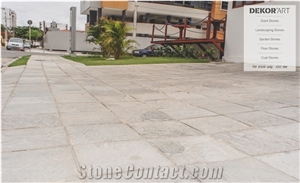
Capri Quartzite is often used in a variety of architectural and design applications, including countertops, flooring, and wall cladding. When considering it for use as walkway pavers, there are several factors to consider: 1. **Durability**: Quartzite is generally a very hard and durable natural stone, making it a good candidate for high-traffic areas such as walkways. Its resistance to weathering and abrasion is a significant advantage. 2. **Slip Resistance**: Its important for walkway materials to have a slip-resistant surface to prevent accidents, especially when wet. Capri Quartzite typically has a textured surface that can provide good traction, although this can vary depending on how the stone is finished. 3. **Weather Resistance**: Quartzite is resistant to heat, cold, and UV radiation, which makes it suitable for outdoor use. However, the specific climatic conditions of your area (such as freeze-thaw cycles) should be considered. 4. **Maintenance**: Like all natural stones, Capri Quartzite will require some level of maintenance, such as sealing to prevent staining and preserve its appearance. 5. **Aesthetic**: The natural beauty and unique patterns of quartzite can enhance the visual appeal of your walkway. Before making a decision, its best to consult with a local stone supplier or professional installer to ensure that Capri Quartzite is suitable for your specific needs and environment. Additionally, they can provide information on the specific finish and treatment options that would best suit outdoor use.
Does the surface of Capri Quartzite scratch easily?

Capri Quartzite, like other quartzite materials, is known for its durability and hardness. It is generally quite resistant to scratching, making it a popular choice for countertops and other surfaces that endure heavy use. Quartzite is typically harder than granite and is often compared to granite in terms of durability. However, while it is highly resistant to scratches, it is not completely scratch-proof. Care should still be taken to use cutting boards and avoid dragging heavy or sharp objects across its surface. Regular care and maintenance can help preserve its appearance and minimize the risk of scratches.

Can 18mm thick Capri Quartzite be used for pool coping?

Using 18mm thick Capri Quartzite for pool coping is possible, but there are several factors to consider to ensure its suitability and durability in that application: 1. **Strength and Durability**: Capri Quartzite is generally a strong and durable natural stone, which makes it suitable for outdoor use. However, for pool coping, which is subject to water exposure, foot traffic, and potential impact, the thickness of 18mm might be on the thinner side. Thicker slabs, such as those around 30mm, are typically recommended for coping to ensure adequate strength and long-term resistance to cracking or breaking. 2. **Slip Resistance**: Safety is an essential factor around pool areas. Make sure that the surface of the quartzite is treated or naturally textured to prevent it from becoming too slippery when wet. A honed or textured finish might be more appropriate than a polished one. 3. **Water Absorption and Resistance**: Natural stones can vary in their porosity. It’s essential to ensure that Capri Quartzite is properly sealed to protect against water absorption, which can lead to staining or structural weaknesses over time. 4. **Heat Resistance**: Pool coping materials should be comfortable underfoot, even in direct sunlight. Quartzite generally performs well in terms of heat resistance, but its worth confirming if Capri Quartzite stays cooler compared to other stones or materials. 5. **Installation Considerations**: Proper installation is crucial, especially with thinner materials. It might require a more supportive base or additional reinforcement to prevent damage. 6. **Local Climate**: Consider the climate where the pool is located. In areas with freeze-thaw cycles, thinner stone may be more susceptible to damage. If you decide to proceed with 18mm Capri Quartzite, it would be wise to consult with a professional to ensure proper installation and maintenance. They can provide insights into the specific product and guidance on whether additional reinforcement or treatment is needed.

Can 26 mm Capri Quartzite be used as a kitchen countertop?

Yes, 26 mm Capri Quartzite can be used as a kitchen countertop. Quartzite is a natural stone that is known for its durability, resistance to heat, and unique, attractive appearance, making it a suitable material for kitchen countertops. Its thickness of 26 mm provides adequate strength and support for kitchen use. However, its important to ensure that the stone is properly sealed and maintained to prevent stains and damage from liquids and acidic substances that are common in kitchens. Additionally, professional installation is recommended to ensure that the countertop is properly supported and installed to prevent cracking or other issues.

How can I maintain Capri Quartzite flooring?

Maintaining Capri Quartzite flooring involves regular cleaning and some preventative measures to keep it looking its best. Here are some tips to help you maintain your Capri Quartzite flooring: 1. **Regular Cleaning:** - **Sweeping:** Use a soft-bristled broom to sweep the floor regularly to remove dust and debris that can cause scratches. - **Vacuuming:** Use a vacuum cleaner with a hard floor setting or attachment to remove dirt and grit. - **Mopping:** Mop the floor regularly with warm water and a pH-neutral cleaner. Avoid using acidic or abrasive cleaners, as they can damage the stone. Make sure the mop is only damp, not soaking wet. 2. **Spill Management:** - Clean up spills immediately to prevent staining. Use a soft cloth or paper towel to blot the spill and then clean the area with water and a mild detergent. 3. **Protective Measures:** - **Sealing:** Apply a penetrating sealer specifically designed for natural stone to protect against stains and moisture. Follow the manufacturer’s instructions for application frequency, which may vary depending on the product and usage. - **Rugs and Mats:** Place doormats at entryways to trap dirt and grit. Use area rugs or runners in high-traffic areas to protect the stone. 4. **Avoiding Damage:** - Protect the floor from scratches by using furniture pads under the legs of chairs, tables, and other heavy furniture. - Avoid dragging heavy objects across the floor. 5. **Regular Inspection:** - Periodically inspect your flooring for signs of wear, scratches, or stains, and address any issues promptly to prevent further damage. By following these guidelines, you can keep your Capri Quartzite flooring in excellent condition for years to come.

Is Capri Quartzite a suitable choice for facades in cold winter climates?

Capri Quartzite could be a suitable choice for facades in cold winter climates, but several factors should be considered to ensure its performance and longevity: 1. **Durability**: Quartzite is generally a durable and hard material, making it resistant to scratches and weathering. Its natural strength can withstand freeze-thaw cycles, which are common in cold climates. 2. **Water Absorption**: Its important for exterior materials to have low water absorption to prevent damage from freezing and thawing. Quartzite typically has lower porosity compared to other natural stones like limestone or marble, which helps it perform better in moist and freezing conditions. 3. **Thermal Resistance**: Quartzite can handle temperature fluctuations well, which is beneficial for areas that experience significant changes in temperature. 4. **Finish**: Choosing the right finish is crucial. A honed or textured finish might be better than a polished one for exterior applications to reduce the risk of slipping and improve weather resistance. 5. **Installation**: Proper installation techniques, including the use of appropriate sealants and considering expansion joints, are vital for the material to perform well over time in cold climates. 6. **Aesthetic and Architectural Considerations**: Ensure that the color, texture, and overall design of Capri Quartzite align with your architectural vision, as well as any climatic considerations. It might be helpful to consult with a local architect or builder to get advice tailored to the specific environmental conditions of your area. Additionally, sourcing quality stone and ensuring proper installation will maximize the potential of Capri Quartzite as a facade material in cold climates.

Products & Prices

Hot Quartzite

New Quartzite

Post Your Request

The request includes:
  1. surface finished, size
  2. quantity required

