Post Your Needs

Cullinan Quartzite

Quartzite

Brazil

About

Item Details

Material Type:
Quartzite
Origin:
Brazil
Recommended Usage:
kitchen and bathroom countertop, wash basins, building stone, ornamental stone, stairs, interior wall and floor applications, mosaic, water-jet pattern, wall panels, table tops, balustrades, columns, fireplaces, luxury furniture
Additional Names:
Cullinan Crystal Quartzite
Finished Surface:
Polished,Bush Hammered,Tumbled,Brushed,Honed,Split,Machine Cut,Natural Surface,Sandblasted,Combed,Leathered,Water Jet,Chiseled,Pickling

Testing

Water Absorption:
0.25 %
Density:
2660 kg/m³
Flexural Strength:
18 – 27 MPa
Compressive Strength:
210 – 250 MPa

Description

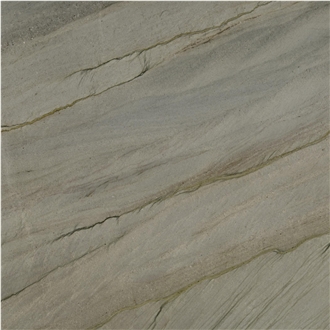
Cullinan Quartzite is a premium luxury natural stone quarried in Brazil, renowned for its luminous clarity, exceptional durability, and dramatic natural veining. It is highly valued in high-end architectural and interior design projects for its refined elegance and strong performance characteristics. The stone typically displays a striking combination of white, gray, and black tones, forming bold and artistic vein structures across each slab.

Color, Appearance & Pattern

Cullinan Quartzite features a bright white to light gray background enhanced by strong contrasting veins in charcoal gray and deep black. The pattern is dynamic and expressive, often resembling flowing mineral waves or fractured crystalline movement. Typical visual characteristics include:

  • White to light gray luminous base
  • Strong black and dark gray veining
  • Occasional smoky mineral streaks
  • High contrast natural movement
  • Dramatic linear and wave-like patterns
  • Unique slab-to-slab variation

Each slab is naturally unique, making it ideal for bookmatching and statement installations.

Texture & Structure

Cullinan Quartzite is a metamorphic rock formed under high pressure and temperature conditions, resulting in a dense interlocking crystalline structure. Key characteristics include:

  • Medium to fine crystalline texture
  • Extremely compact structure
  • Very low porosity
  • High structural integrity
  • Excellent resistance to abrasion and wear
  • Superior polish retention
  • High mechanical strength

Physical & Mechanical Properties

  • Apparent Density: 2,660 kg/m³ (NBR 15.845/2015)
  • Water Absorption: 0.25% (NBR 15.845/2015)
  • Mohs Hardness: 6.5 – 7.5
  • Compressive Strength: 210 – 250 MPa
  • Flexural Strength: 18 – 27 MPa
  • Abrasion Resistance: High
  • Frost Resistance: Excellent

Petrographic Analysis (% by Weight)

  • Quartz: 94%
  • Muscovite: 4%
  • Tourmaline: 2%

Chemical Composition (% by Weight)

  • SiO₂ (Silicon Dioxide): 92 – 97
  • Al₂O₃ (Aluminum Oxide): 1.0 – 3.5
  • Fe₂O₃ (Iron Oxide): 0.2 – 1.5
  • K₂O + Na₂O: 0.2 – 1.2
  • CaO + MgO: 0.1 – 0.8
  • Trace Elements: <0.5

Applications

  • Luxury countertops and kitchen islands
  • Bathroom vanity tops
  • Feature walls and bookmatched panels
  • Hotel lobbies and reception desks
  • Flooring and staircases
  • Fireplace surrounds
  • High-end commercial interiors
  • Decorative architectural cladding
  • Furniture tops and custom design elements

Maintenance

  • Clean with pH-neutral stone cleaners
  • Avoid acidic or abrasive chemicals
  • Seal periodically for stain resistance
  • Wipe spills immediately Use protective pads on surfaces
  • Regular maintenance preserves polish and clarity
  • Suitable for both interior and exterior applications

FAQ

Is Cullinan Quartzite durable enough for use as outdoor terrace pavers?

Cullinan Quartzite is generally considered to be a durable and strong natural stone, making it a suitable option for outdoor applications such as terrace pavers. Quartzite is one of the hardest stones, resistant to abrasion, weathering, and heavy foot traffic. Its low water absorption rate also makes it resistant to freeze-thaw cycles, which is an important factor for outdoor use in climates with seasonal temperature variations. However, as with any natural stone, the actual durability can vary depending on the specific characteristics of the stone batch, including its density, porosity, and finish. Proper sealing and maintenance can further enhance the durability and longevity of Cullinan Quartzite as outdoor pavers. It is always advisable to consult with a professional installer or supplier to ensure the stone is suitable for your specific environmental conditions and intended use.

Does Cullinan Quartzite scratch easily?

Cullinan Quartzite, like other types of quartzite, is known for its durability and hardness. Quartzite generally rates around 7 on the Mohs scale of mineral hardness, which means its quite resistant to scratching by most materials. Common household items like steel knives (which usually rate around 5-6 on the Mohs scale) wont scratch quartzite surfaces. However, it can still be scratched by materials that are as hard or harder, such as other quartzite surfaces, granite, or diamond-tipped tools. While it is resistant to scratches compared to softer stones like marble, its always wise to use trivets, cutting boards, and other protective measures to maintain its finish and appearance.

How can I remove rust stains from a Cullinan Quartzite kitchen countertop?

Rust stains on a Cullinan Quartzite countertop can be addressed with care to avoid damaging the surface. Here’s a step-by-step guide to remove these stains: 1. **Identify the Stain**: Ensure the stain is indeed rust. Rust typically appears orange or reddish-brown. 2. **Gather Supplies**: - Baking soda or a commercial stone poultice - Hydrogen peroxide (3%) - Plastic wrap - Plastic scraper - Soft cloths or sponges - Masking tape (optional) 3. **Create a Poultice**: - Mix baking soda with a small amount of hydrogen peroxide to form a thick paste. It should be the consistency of peanut butter. Alternatively, use a commercial poultice specifically designed for stone surfaces. 4. **Apply the Poultice**: - Clean the area with a mild dish soap and water to remove any surface debris. - Apply the poultice to the stain, covering it completely to a thickness of about 1/4 inch. 5. **Cover the Poultice**: - Cover the poultice with plastic wrap and, if necessary, secure the edges with masking tape to prevent it from drying out too quickly. 6. **Allow it to Sit**: - Leave the poultice on the stain for 24 to 48 hours. It needs time to draw out the rust from the stone. 7. **Remove the Poultice**: - Carefully remove the plastic wrap and allow the poultice to dry completely. - Use a plastic scraper to gently remove the dried poultice. 8. **Clean the Area**: - Wipe the area with a damp cloth to remove any remaining poultice residue. - Dry the countertop thoroughly with a soft cloth. 9. **Inspect and Repeat if Necessary**: - Check if the stain is completely gone. You may need to repeat the process if the stain is still visible. 10. **Seal the Countertop**: - Once the stain is removed and the countertop is clean and dry, consider sealing the quartzite with a suitable stone sealer to prevent future staining. **Additional Tips**: - Always test the poultice on a small, inconspicuous area first to ensure it does not affect the stones finish. - Avoid using acidic cleaners or harsh chemicals that can damage or etch the stone surface.

Can I mix cleaning vinegar and Dawn dish soap together to clean a Cullinan Quartzite countertop?

Mixing cleaning vinegar and Dawn dish soap is generally safe for various cleaning tasks, but when it comes to cleaning Cullinan Quartzite countertops, you should proceed with caution. Quartzite is a natural stone, and while it is quite durable, you need to be careful with acidic substances. Vinegar is acidic, and using it on natural stone surfaces can potentially lead to etching or dulling the finish over time. Therefore, it is not recommended to use vinegar on quartzite countertops. While soap, like Dawn, is generally safe, its best to stick with cleaning solutions specifically designed for natural stone or warm water with a mild, pH-neutral dish soap to ensure you dont damage the surface. Heres a safer way to clean your Cullinan Quartzite countertop: 1. **Daily Cleaning:** Use a soft cloth or sponge with warm water and a few drops of pH-neutral dish soap to wipe down the surfaces. 2. **Stain Removal:** For tougher stains, create a paste with baking soda and water, apply it to the stain, cover it with plastic wrap, and let it sit for a few hours or overnight before wiping it away and rinsing thoroughly. 3. **Avoid Acids and Abrasives:** Always avoid acidic cleaners like vinegar, lemon juice, or any abrasive cleaning pads that could scratch or dull the surface. 4. **Sealing:** Ensure your quartzite countertops are properly sealed according to the manufacturers recommendations, as this helps protect against stains and damage. Using the right cleaning approach will help maintain the beauty and integrity of your Cullinan Quartzite countertop for years to come. If youre ever unsure about what products are safe, consult with the manufacturer or installer for specific recommendations.

Can Cullinan Quartzite be used as a kitchen cutting board?

Cullinan Quartzite, like other natural stone surfaces, can technically be used as a kitchen cutting board, but it may not be the most practical or suitable choice. Here are a few considerations: 1. **Hardness**: Quartzite is a very hard and durable stone, which could dull or damage your knives over time. This makes it less ideal than softer cutting board materials like wood or plastic. 2. **Porosity**: Although quartzite is less porous than some natural stones, it can still absorb liquids and stains if not properly sealed. This could lead to hygiene issues over time. 3. **Weight and Size**: Quartzite is quite heavy, which might make it impractical to use as a portable cutting board. Cutting boards are generally handled frequently and moved around; a stone board could be cumbersome and difficult to manage. 4. **Cost**: Quartzite is typically more expensive than traditional cutting board materials. Using it as a cutting board may not be cost-effective. 5. **Surface**: The surface of quartzite might not be as forgiving as other materials, meaning it could potentially chip or crack under the impact of a knife. For these reasons, it is often better to use traditional materials like wood, bamboo, or plastic for cutting boards. These options are typically more knife-friendly, easier to maintain, and more affordable.

If I use 1.2 cm thick Cullinan Quartzite as a table top, will it be strong enough? Will it break easily?

Cullinan Quartzite, like other quartzites, is typically a very hard and durable natural stone, making it a popular choice for countertops and tabletops. With a thickness of 1.2 cm (approximately 0.47 inches), a Cullinan Quartzite tabletop could be considered somewhat thin compared to the more common thicknesses used for stone countertops, which are usually around 2 cm (0.79 inches) or 3 cm (1.18 inches). Here are a few considerations to determine if it will be strong enough for your purposes: 1. **Support**: Proper support is crucial. With thinner stone like 1.2 cm quartzite, you will need a well-designed support structure. This might include adding a substrate such as plywood or MDF (medium-density fiberboard) beneath the stone to provide additional support and prevent sagging or flexing, which could lead to cracking. 2. **Span Length**: The unsupported span can significantly affect durability. If the tabletop design includes long, unsupported spans, it increases the risk of bending or breaking, especially under heavy loads. 3. **Edge Profile**: The edge design can also impact durability. Certain edge profiles might help improve the perceived thickness and structural integrity, or they might increase the risk of chipping if not properly executed. 4. **Usage**: Consider how the table will be used. For instance, if it will carry heavy loads or be subject to frequent impacts, thicker material might be more appropriate to avoid potential damage. 5. **Installation**: Proper installation by professionals experienced with handling natural stone is important to ensure the longevity and stability of your tabletop. Improper handling or insufficient support during installation could result in damage. Overall, while 1.2 cm Cullinan Quartzite can be used for a tabletop, extra care in designing the support structure and selecting appropriate usage scenarios is vital. If you are concerned about its strength, consulting with a professional stone fabricator or structural engineer can provide tailored advice and solutions for your specific situation.

Products & Prices

Hot Quartzite

New Quartzite

Post Your Request

The request includes:
  1. surface finished, size
  2. quantity required