Post Your Needs

Dovre Gneiss

White - Gneiss

Norway

About

Item Details

Material Type:
Gneiss
Origin:
Norway (Dovrefjell mountain area, Oppdal(Oppland))
Primary Color(s):
White
Recommended Usage:
Kitchen and bathroom countertops, monuments, building stone, ornamental stone, stairs, interior, exterior wall and floor applications, mosaic, waterjet pattern, wall panels, table tops, window sills, balustrades, columns, wall and pool copings, pool pavers, sculptures, fireplaces, pavers, cobbles, curbstone
Additional Names:
Is-hvit, Eisweiss, Dovre Quartzite, Dovrefjell Gneiss, Oppdal Gneiss, Oppland Gneiss, Dovre Gneiss
Finished Surface:
Polished,Flamed,Bush Hammered,Tumbled,Brushed,Honed,Split,Machine Cut,Natural Surface,Sandblasted,Acid Washing,Combed,Leathered,Water Jet,Filled,Chiseled,Pickling

Testing

Water Absorption:
less than 1%
Density:
2700 Kg/m³
Flexural Strength:
15-20 MPa
Compressive Strength:
100-150 MPa
Stone texture:
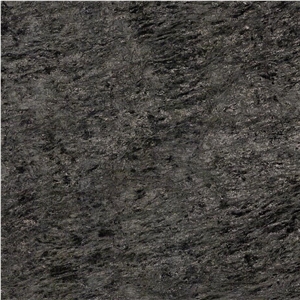
a medium-grained, dark gray to black, wavy-spotted gneiss stone

Description

Dovre Gneiss, quarried in the Dovrefjell mountain area of Oppdal (Oppland) in Norway, is a distinctive natural stone known for its aesthetic and physical characteristics. Here are detailed descriptions and lists of its various properties, composition, uses, and maintenance:

Description

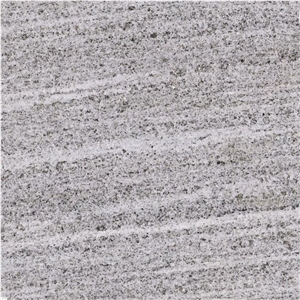
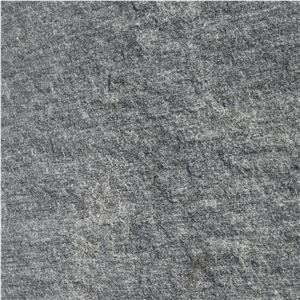
  • Appearance: Medium-grained, dark gray to black gneiss with wavy spotting. It can have various shades of white interspersed within, giving it a unique texture and appearance.
  • Texture: The texture is primarily medium-grained with a wavy, layered structure typical of gneiss, providing a visually striking appearance.

Physical and Mechanical Properties

  • Water Absorption: Low water absorption rate, typically less than 1%, indicating good resistance to moisture penetration.
  • Density: Approximately 2.7 g/cm³ (grams per cubic centimeter), suggesting a dense and robust stone.
  • Flexural Strength: High flexural strength, generally around 15-20 MPa (megapascals), indicative of good resistance to bending and breakage.
  • Compressive Strength: Ranges from 100-150 MPa, making it suitable for structural applications.
  • Hardness: Rates around 6-7 on the Mohs scale, suggesting good scratch resistance.
  • Porosity: Low porosity, which enhances its durability and stain resistance.
  • Slip Resistance: Exhibits moderate slip resistance, especially when a textured finish is applied.

Chemical and Mineral Composition

  • Quartz: 30-40%
  • Feldspar: 20-30%
  • Biotite and Mica: 10-20%
  • Amphibole: 5-15%
  • Other Minerals (Garnet, etc.): 5-10%

Usage

  • Applications: Commonly used for countertops, flooring, wall cladding, stairs, and exterior landscaping projects due to its robust nature.
  • Decorative Uses: Suitable for both interior and exterior design applications, adding elegance and durability.

Maintenance

  • Cleaning: Regular cleaning with pH-neutral stone cleaners is recommended.
  • Sealing: Periodic sealing enhances stain resistance, especially in high-traffic or exposed areas.
  • Avoid: Use of acidic or abrasive cleaners that can damage the surface.

Cutting Sizes

  • Standard Slabs: Available in standard slab sizes, typically around 2-3 cm thick.
  • Custom Sizes: Can be cut into custom sizes based on project requirements, generally accommodating dimensions common in stone applications.

Available Surface Finish Options

  • Polished: Provides a glossy, reflective surface enhancing the stone’s color and patterns.
  • Honed: Offers a smooth, matte finish that is less reflective.
  • Flamed: Produces a textured, slip-resistant surface ideal for outdoor use.
  • Brushed: Gives a slightly textured finish while maintaining a level of smoothness.
  • Split-faced: Offers a rugged, natural look perfect for rustic designs.

Dovre Gneiss, with its unique aesthetic and robust properties, makes it an excellent choice for a wide range of architectural and design applications. Its durability and low maintenance requirements further enhance its appeal for both residential and commercial uses.

FAQ

Can Norway's Dovre Gneiss be used exterior applications in very rainy climates?

Norways Dovre Gneiss is a type of metamorphic rock that is known for its durability and strength. It has been used in various applications, including exterior cladding, paving, and landscaping. However, when considering its suitability for very rainy climates, some precautions and considerations need to be taken into account. Gneiss is a natural stone that is relatively resistant to weathering, making it suitable for exterior applications. Its high density and low porosity provide some protection against water absorption, reducing the risk of damage caused by freezing and thawing cycles. Additionally, Dovre Gneiss typically has good resistance to staining and fading, ensuring its longevity and aesthetic appeal in rainy climates. However, the performance of Dovre Gneiss in very rainy climates can depend on several factors. Proper installation and maintenance are crucial to ensure the stones durability. The stone should be sealed using an appropriate outdoor stone sealer to protect against water penetration and staining. Regular cleaning and sealing may be required to maintain its appearance and performance over time. It is also important to consider the specific conditions of the climate, such as the intensity and frequency of rainfall. In areas with heavy and continual rainfall, additional measures may need to be taken, such as providing adequate drainage systems, ensuring proper slope design, and utilizing suitable installation techniques to prevent water accumulation and potential damage. Overall, Dovre Gneiss can be used in exterior applications in very rainy climates, but the suitability and performance will depend on various factors like installation, maintenance, and environmental conditions. Consulting with a professional stone supplier or installer with experience in rainy climates can provide valuable guidance and ensure the successful use of Dovre Gneiss in such conditions.

Can Norway's Dovre Gneiss be used in a bathroom?

Yes, Norways Dovre Gneiss can be used in a bathroom. Gneiss is a type of metamorphic rock that is known for its durability and strength. It is commonly used as a building material in various applications, including bathrooms. Dovre Gneiss possesses attractive colors and patterns that can add aesthetic value to bathroom surfaces such as countertops, flooring, or even wall cladding. Additionally, gneiss is resistant to water and moisture, making it a suitable choice for bathroom environments where there is frequent exposure to water. However, it is important to properly seal the gneiss to ensure its longevity and protect against stains and water damage.

Can Norway's Dovre Gneiss be used in landscaping?

Yes, Norways Dovre Gneiss can be used in landscaping. Dovre Gneiss is a type of metamorphic rock that forms beautiful patterns and colors, making it popular in landscaping and construction projects. It is often used as a material for pathways, patios, retaining walls, decorative boulders, and other outdoor features. The durability and natural beauty of Dovre Gneiss make it suitable for various landscaping purposes.

Can Norway's Dovre Gneiss be used outdoors?

Yes, Norways Dovre Gneiss can be used outdoors. Gneiss is a type of metamorphic rock known for its durability and strength, making it suitable for outdoor applications. It is commonly used as a natural stone for outdoor landscaping and construction projects, including pathways, retaining walls, steps, and facades. The Dovre Gneiss specifically, which is sourced from the Dovrefjell mountain range in Norway, is known for its beautiful appearance with variations in colors and patterns, making it a popular choice for outdoor projects where aesthetics are desired.

What grade is Norway's Dovre Gneiss?

Norways Dovre Gneiss is not given a specific grade classification. Gneiss is a metamorphic rock that has undergone intense heat and pressure, resulting in a foliated texture. Dovre Gneiss is a specific type of gneiss found in the Dovre region of Norway, known for its distinct banding and variety of mineral compositions.

Are there color variations of Norway's Dovre Gneiss?

Yes, there are color variations of Norways Dovre Gneiss. The Dovre Gneiss is a metamorphic rock that is characterized by bands or layers of different minerals. These mineral bands can vary in color, composition, and intensity, resulting in different color variations of the Dovre Gneiss. The most common color variations include shades of pink, gray, white, and black. The pink varieties have bands or streaks of pink feldspar minerals, while the gray ones may have bands of gray quartz or mica minerals. Some Dovre Gneiss rocks also exhibit white or light-colored bands, which are typically rich in quartz. Additionally, black or dark-colored bands can be present in the rock, indicating the presence of minerals like biotite or amphibole. Its important to note that the exact color variations of Dovre Gneiss can vary depending on the specific location and geological conditions in different parts of Norway.

Is Norway's Dovre Gneiss an expensive stone?

I do not have access to real-time pricing or market data. However, Dovre Gneiss is considered a high-end, durable and beautiful stone. It is frequently used for high-end construction and architectural projects. Its cost will depend on various factors such as the location of the supplier, the size, quality, and design of the stone, shipping and handling costs, and other market factors.

Customer reviews

Customer reviews

Write a Review
Ano**** United Kingdom

URGENT!!! Good afternoon, My name is Anoushka, from Gensler, I was wondering if you could help me Would you be able to send over some samples of your Dovre Gneiss stone please We need this urgently, would you send this over before Thursday please? Thank you so much for your help with this

Helpful (0) 0Reply

Products & Prices

Hot White Gneiss

New Gneiss

Post Your Request

The request includes:
  1. surface finished, size
  2. quantity required