Post Your Needs

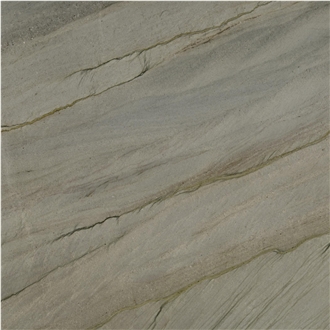
Emerasya Quartzite

Quartzite

Brazil

About

Item Details

Material Type:
Quartzite
Origin:
Brazil
Recommended Usage:
kitchen and bathroom countertop, wash basins, building stone, ornamental stone, stairs, interior wall and floor applications, mosaic, water-jet pattern, wall panels, table tops, balustrades, columns, fireplaces, luxury furniture
Additional Names:
Emerald Quartzite, Emerald Green Quartzite
Finished Surface:
Polished,Bush Hammered,Tumbled,Brushed,Honed,Split,Machine Cut,Natural Surface,Sandblasted,Combed,Leathered,Water Jet,Chiseled,Pickling

Testing

Water Absorption:
0.16 %
Density:
2680 kg/m³
Flexural Strength:
25 MPa
Compressive Strength:
220 MPa

Description

Emerasya Quartzite is a premium natural quartzite quarried in Brazil, admired for its vibrant emerald, aqua, and mint-green hues enriched with elegant white, golden, and charcoal-gray veining. The harmonious blend of vivid colors and crystalline textures creates an exotic, luxurious appearance reminiscent of tropical lagoons and precious gemstones. Its exceptional hardness, low porosity, and outstanding durability make Emerasya Quartzite an excellent choice for both residential and commercial architectural applications.

Color & Appearance

  • Primary Colors: Emerald green, aqua green, mint green
  • Secondary Colors: White, ivory, soft gray
  • Accent Colors: Golden, charcoal gray, translucent quartz
  • Appearance: Exotic, vibrant, luxurious, crystalline
  • Natural Variation: High Bookmatch
  • Suitability: Excellent

Texture & Structure

Emerasya Quartzite exhibits a medium- to coarse-grained crystalline texture formed through intense metamorphic recrystallization. The tightly interlocked quartz crystals create a highly compact structure with exceptional mechanical strength, excellent polish retention, and remarkable resistance to scratching, abrasion, and weathering. Depending on the finish, the surface reveals either brilliant crystalline reflections or a soft textured appearance.

Pattern

  • Dynamic flowing movement
  • Bold emerald and aqua color transitions
  • Irregular white crystalline veins
  • Delicate golden mineral streaks
  • Occasional charcoal-gray veining
  • Cloud-like mineral formations
  • Highly decorative natural variation
  • Spectacular bookmatched layouts

Physical & Mechanical Properties

  • Bulk Density: 2,680 kg/m³
  • Water Absorption: 0.16 %
  • Apparent Porosity: 0.38 %
  • Open Porosity: 0.35 %
  • Compressive Strength: 220 MPa
  • Flexural Strength: 25 MPa
  • Modulus of Rupture: 24 MPa
  • Abrasion Resistance: 18.8 mm
  • Frost Resistance: Excellent
  • Impact Resistance: Excellent
  • Thermal Shock Resistance: Excellent
  • Mohs Hardness: 7.0

Mineral Composition (% by Weight)

  • Quartz: 93–95 %
  • Feldspar: 2–3 %
  • Muscovite: 1–2 %
  • Fuchsite (Chromium-rich Mica): 1–2 %
  • Biotite: 0.5–1 %
  • Garnet, Zircon, Rutile & Accessory Minerals: <1 %

Chemical Composition (% by Weight)

  • SiO₂: 95.20 %
  • Al₂O₃: 1.85 %
  • Fe₂O₃: 0.40 %
  • K₂O: 0.90 %
  • Na₂O: 0.45 %
  • MgO: 0.22 %
  • CaO: 0.18 %
  • TiO₂: 0.06 %
  • Cr₂O₃: 0.18 %
  • Loss on Ignition: 0.30 %

Applications

Emerasya Quartzite is suitable for both interior and exterior applications, including: Kitchen countertops, Waterfall kitchen islands, Bathroom vanity tops, Shower walls, Interior wall cladding, Exterior façades, Flooring, Staircases, Fireplace surrounds, Reception desks, Hotel lobbies, Restaurant interiors, Bar counters, Luxury furniture, Dining tables, Coffee tables, Window sills, Pool surrounds, Outdoor kitchens, Landscape features, Commercial buildings, Luxury residential projects.

Maintenance

Clean routinely using a pH-neutral natural stone cleaner. Wipe spills promptly, especially acidic substances such as citrus juice, vinegar, wine, and coffee. Avoid harsh acidic, alkaline, or abrasive cleaning products. Apply a high-quality penetrating stone sealer every 2–4 years, depending on usage and environmental exposure. Use microfiber cloths or soft mops for routine cleaning. Protect polished surfaces with cutting boards and trivets to preserve their finish. Periodically inspect exterior installations and reseal when necessary to maintain long-term protection and appearance.

FAQ

Can Emerasya Quartzite be used as paving stone in areas with heavy snowfall in winter? Is it frost-resistant?

Emerasya Quartzite, like many natural stones, can be a suitable option for paving in areas with heavy snowfall, provided it meets certain criteria. Quartzite is known for its hardness and durability, which generally makes it a good candidate for outdoor use. When considering its use in areas with heavy snowfall, the key factor to consider is frost resistance. Frost resistance is the ability of the stone to withstand freeze-thaw cycles without deteriorating. Many quartzites are inherently frost-resistant due to their dense composition and low porosity. However, not all quartzites are created equal, so its crucial to verify the specific characteristics of the Emerasya Quartzite being considered. To ensure suitability: 1. **Check Porosity:** Ensure that the Emerasya Quartzite has low porosity, which helps prevent water absorption that can lead to damage during freeze-thaw cycles. 2. **Surface Finish:** Consider the surface finish. A textured finish can provide better slip resistance, which is important during snowy or icy conditions. 3. **Consult with Supplier:** Confirm the stones frost resistance with the supplier or manufacturer. They can provide technical data or results from freeze-thaw testing. 4. **Proper Installation:** Ensure proper installation, including a well-draining base and proper sealing if necessary, to minimize water retention and enhance durability. By addressing these considerations, Emerasya Quartzite can be a functional and attractive choice for paving in snowy climates.

How can I clean the grout of Emerasya Quartzite wall tiles?

Cleaning grout on Emerasya Quartzite wall tiles involves a careful approach to avoid damaging the natural stone. Heres a step-by-step guide to help you: 1. **Gather Your Supplies:** - pH-neutral stone cleaner or mild dish soap - Soft-bristle brush or toothbrush - Microfiber cloth or sponge - Warm water - Grout sealer (if needed) - Gloves 2. **Test a Small Area:** - Before cleaning the entire area, test your cleaning solution on an inconspicuous spot to ensure it does not damage or discolor the stone. 3. **Prepare the Cleaning Solution:** - Mix a few drops of pH-neutral stone cleaner or mild dish soap with warm water. Avoid acidic or harsh cleaners as they can etch or damage the quartzite. 4. **Apply the Solution:** - Dip a soft-bristle brush or toothbrush into the cleaning solution. Gently scrub the grout lines, being careful not to scratch the adjacent stone tiles. 5. **Rinse:** - Use a microfiber cloth or sponge dipped in clean water to wipe away the cleaning solution and loosened dirt. Rinse the cloth/sponge frequently to avoid spreading dirt. 6. **Dry the Surface:** - Use a clean, dry microfiber cloth to dry the tiles and grout. This prevents any water spots or residue from forming. 7. **Seal the Grout:** - If your grout is unsealed or you haven’t sealed it recently, consider applying a grout sealer. This will protect the grout from future stains and make cleaning easier. 8. **Regular Maintenance:** - Regularly wipe down the tiles with a damp cloth to prevent dirt build-up. It is also advisable to reseal grout periodically according to the manufacturers instructions. By following these steps, youll ensure that your Emerasya Quartzite wall tiles remain clean and well-protected.

How can I repair the scratched surface of the Emerasya Quartzite countertop?

Repairing a scratched Emerasya Quartzite countertop involves a few careful steps to restore its appearance. Heres a general guide on how to do it: 1. **Assess the Damage:** - Determine the depth of the scratches. Light surface scratches can often be remedied, while deeper ones may require professional repair. 2. **Clean the Surface:** - Before starting any repair, clean the countertop thoroughly with a mild dish soap and water solution. Rinse and dry with a soft cloth to ensure no dirt or debris interferes with the repair process. 3. **Polish Minor Scratches:** - For light scratches, use a polishing powder or compound designed for quartzite. These products are generally available at home improvement stores. - Apply a small amount of the compound on the scratched area. - Using a soft, damp cloth or a buffing pad attached to a polisher, gently rub the compound into the scratch using circular motions. - Continue polishing until the scratch diminishes. Reapply more compound as needed and wipe the area clean with a damp cloth. 4. **Fill Deeper Scratches:** - If the scratches are deeper, you might need a resin or epoxy filler. Choose a filler that matches the color of your quartzite. - Clean the scratch again and make sure it’s dry. - Apply a small amount of the filler to the scratch with a small brush or a plastic scraper. - Smooth it out so it’s level with the surrounding surface and let it cure as per the manufacturer’s instructions. 5. **Final Polishing:** - Once the filler has cured, gently polish the entire area to ensure a uniform shine. Use a fine-grit sandpaper if necessary, followed by polishing compound to blend the repair seamlessly with the rest of the countertop. 6. **Sealing (if needed):** - Some quartzite surfaces may require sealing after a repair to protect against future damage. Confirm if your particular countertop needs sealing, and apply a suitable stone sealer if required. 7. **Regular Maintenance:** - To prevent future scratches, use cutting boards, trivets, and pads under heavy kitchen appliances. - Avoid using abrasive cleaners or scouring pads on the surface. If the scratches are extensive or you’re unsure about the repair process, it’s advisable to contact a professional stone restoration service. They have specialized tools and knowledge to handle such repairs effectively.

Is Emerasya Quartzite mosaic flooring slippery for bathroom use?

Emerasya Quartzite, like many natural stone materials, can potentially be slippery when wet, especially if it has a polished finish. However, if the quartzite has a honed or textured finish, it might be less slippery. For bathroom use, its important to choose a finish that provides more traction. Additionally, applying a non-slip treatment or using non-slip rugs and mats can help improve safety. When selecting flooring for a bathroom, its also a good idea to consult with the manufacturer or supplier to confirm the suitability of the stone for wet areas and to inquire about any additional treatments that could enhance its slip resistance.

Do fruit juices stain the surface of Emerasya Quartzite kitchen countertop?

Emerasya Quartzite is a natural stone known for its durability and resistance to scratching and heat. However, like many natural stones, it can be susceptible to staining if not properly sealed and maintained. Fruit juices, which are often acidic, can potentially etch or stain the surface if left to sit for an extended period, especially if the sealant on the countertop has worn off. To protect your Emerasya Quartzite countertop, it is important to ensure it is adequately sealed. You should clean up spills promptly and avoid using harsh or acidic cleaners, which can degrade the sealant over time. Regular maintenance, including resealing as recommended by your installer or manufacturer, will help preserve the countertops appearance and resistance to stains.

Does the surface of Emerasya Quartzite scratch easily?

Emerasya Quartzite is a type of natural stone known for its durability and hardness. Like other quartzites, it is formed from sandstone and has undergone significant pressure and heat, giving it a crystalline structure. This makes it quite resistant to scratching compared to softer stones like marble or limestone. Quartzite is often considered more scratch-resistant than granite, which is a popular choice for countertops and surfaces due to its hardness. However, while quartzite is more resistant to scratching, it is not completely scratch-proof. Sharp objects and abrasive materials can still potentially cause damage if enough force is applied. To preserve the appearance of Emerasya Quartzite surfaces, its recommended to use cutting boards, avoid dragging heavy objects across the surface, and regularly clean and seal the stone to maintain its protective finish.

Products & Prices

Hot Quartzite

New Quartzite

Post Your Request

The request includes:
  1. surface finished, size
  2. quantity required