Post Your Needs

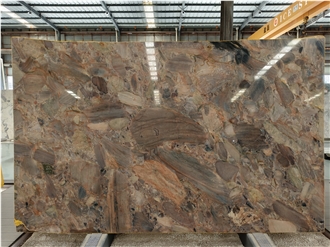
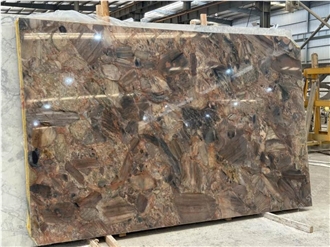
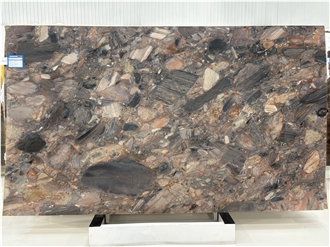
Excalibur Quartzite

Quartzite

Brazil

About

Item Details

Material Type:
Quartzite
Origin:
Brazil
Recommended Usage:
kitchen and bathroom countertops, wash basins, building stone, ornamental stone, stairs, interior, exterior wall and floor applications, mosaic, waterjet pattern, wall panels, table tops, balustrades, columns, wall and pool copings, pool pavers, fireplaces, window sills
Additional Names:
Excalibur Gold Quartzite, Excalibur Brown Quartzite, Moonlight Treasure Box Quartzite, in China stone market:月光宝盒(Yuèguāng Bǎohé), Excalibur Quartzite
Finished Surface:
Polished,Bush Hammered,Tumbled,Brushed,Honed,Split,Machine Cut,Natural Surface,Sandblasted,Acid Washing,Combed,Leathered,Water Jet,Filled,Chiseled,Pickling

Testing

Water Absorption:
0.15 – 0.30% by weight
Density:
2685 – 2720 Kg/m³
Flexural Strength:
15 – 17 MPa
Compressive Strength:
150 – 170 MPa

Description

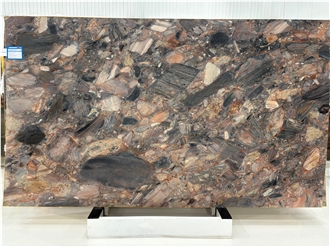
Excalibur Quartzite is a distinctive and visually captivating natural stone characterized by its unique pebble-like aggregation. The surface is composed of rounded to sub-rounded pebble-shaped fragments embedded within a finer-grained matrix, creating a rich, conglomerate-style appearance. These “pebbles” display a diverse spectrum of colors, including warm earthy tones such as brown, beige, tan, and soft orange, complemented by cooler shades of gray, blue-gray, and subtle greenish hues. Occasional darker accents—nearly black or purplish—add depth and contrast. The binding matrix is typically lighter, in creamy or tan tones, enhancing the visual separation between fragments and giving the stone a dynamic, mosaic-like effect. In its natural state, the texture appears slightly rugged and organic, while polishing reveals a smooth, glossy surface that highlights the intricate patterns and color variations.

Geological & Technical Characteristics

  • Type: Natural Quartzite (Metamorphosed Conglomeratic Sandstone)
  • Origin: Brazil
  • Formation: Metamorphic transformation of quartz-rich sandstone with pebble-sized clasts
  • Texture: Medium to coarse-grained, with visible pebble inclusions
  • Pattern: Pebble-like aggregation with irregular, multi-colored fragments
  • Color Range: Brown, beige, tan, orange, gray, blue-gray, greenish tones, with occasional dark or purplish accents

Physical & Mechanical Properties 

  • Apparent Density: ~2.68–2.72 g/cm³
  • Water Absorption: ~0.10–0.30% by weight
  • Compressive Strength: ~150–170 MPa
  • Flexural Strength: ~15–17 MPa
  • Abrasion Resistance: High
  • Hardness (Mohs): 7–7.5

Chemical Composition (% by weight, typical quartzite range)

  • SiO₂ (Silica): 88–96%
  • Al₂O₃ (Alumina): 1–4%
  • Fe₂O₃ (Iron Oxides): 1–5% (influences earthy and darker tones)
  • CaO, MgO, K₂O and trace minerals: <2%

Mineral Composition (% by weight, typical)

  • Quartz: 85–95%
  • Feldspar: 2–6%
  • Mica & accessory minerals: 1–4%
  • Iron-bearing minerals: trace to 5%

Performance Characteristics

  • High resistance to scratching and abrasion
  • Excellent durability under heavy use
  • Strong resistance to heat and
  • UV exposure
  • Low porosity with good weathering resistance
  • Suitable for both interior and exterior applications

Surface Finish Options

  • Polished (enhances color contrast and pattern clarity)
  • Honed (smooth matte finish)
  • Leathered (textured, soft sheen)
  • Brushed / Antique (natural, tactile surface)

Applications

  • Statement countertops and kitchen islands
  • Feature walls and decorative cladding
  • Flooring in residential and commercial spaces
  • Exterior façades and landscaping elements
  • Staircases, wall panels, and custom furniture

Maintenance

  • Periodic sealing recommended for optimal stain resistance
  • Clean with pH-neutral stone cleaners
  • Avoid acidic or abrasive products
  • Durable surface ensures low maintenance requirements.

FAQ

How can I repair the scratched surface of the Excalibur Quartzite steps?

Repairing scratches on Excalibur Quartzite steps involves several steps to restore their appearance. Heres a general guide to help you: 1. **Assess the Damage**: Identify how deep or extensive the scratches are. This will determine the level of repair needed. 2. **Clean the Surface**: Before attempting any repairs, clean the steps thoroughly. Use a mild detergent mixed with warm water to remove any dirt or debris. Rinse well and allow the surface to dry completely. 3. **Choose the Right Abrasive**: For light surface scratches, you can use fine-grit sandpaper (such as 400 grit). For deeper scratches, start with a coarser grit (such as 200 grit) and then move to a finer grit to blend the area. 4. **Sanding the Scratches**: - Lightly sand the scratched area in a circular motion. - Progressively use finer grit sandpaper until the scratch is less visible or smooth with the rest of the step. - Be cautious to avoid excessive sanding, which can cause uneven surfaces. 5. **Buffing**: Use a buffing pad and a polishing compound designed for natural stone. Gently buff the sanded area to restore the shine and blend it with the surrounding surface. 6. **Clean Again**: After sanding and buffing, clean the steps again to remove any dust or residue. 7. **Seal the Surface**: Quartzite is a dense material but might benefit from sealing. Apply a stone sealer according to the manufacturers instructions to provide protection against future scratches and stains. 8. **Regular Maintenance**: Clean the steps regularly with a stone-safe cleaner to prevent dirt accumulation and minimize scratches. If the scratches are particularly deep or extensive, or if youre unsure about performing the repair yourself, it may be best to consult a professional who specializes in stone restoration. They will have the appropriate tools and expertise to ensure a proper repair while preserving the stones integrity.
Is Excalibur Quartzite with a polished surface good for house flooring?

Excalibur Quartzite can be an excellent choice for house flooring, particularly if youre looking for a natural stone with durability and aesthetic appeal. Here are some points to consider: 1. **Durability**: Quartzite is a very hard material, often harder than granite, which makes it suitable for high-traffic areas. It is resistant to scratches and impact, which adds to its suitability for flooring. 2. **Aesthetics**: Excalibur Quartzite usually has a unique and elegant appearance with a range of colors and patterns, which can enhance the visual appeal of your home. 3. **Polished Surface**: A polished finish can create a sophisticated and reflective look. However, this finish might also make the flooring more slippery when wet. Consider this if its going to be used in areas prone to moisture, like kitchens or bathrooms. 4. **Maintenance**: Quartzite is relatively easy to maintain. Regular sweeping and occasional mopping with a gentle cleaner can keep it looking pristine. However, as with most natural stones, it might require periodic sealing to maintain its resistance to stains. 5. **Cost**: Quartzite can be more expensive than other flooring options. Its important to factor in the cost of the material as well as installation. 6. **Resale Value**: Investing in high-quality and visually appealing materials can increase your homes resale value. Overall, Excalibur Quartzite with a polished surface can be a great option for flooring if you consider aesthetics, durability, and your specific needs and environment. Always consult with a professional to ensure proper installation and maintenance.

If I use Excalibur Quartzite as a bar countertop, will alcoholic drinks damage its surface over time?

Excalibur Quartzite is a natural stone known for its durability and resistance to heat and scratching, making it a popular choice for countertops. However, like many natural stones, it is porous to some degree, which means it can absorb liquids if not properly sealed. Alcoholic drinks, especially those with high acidity or sugar content, can potentially stain or etch the surface if left in contact for extended periods. To protect Excalibur Quartzite from potential damage caused by spills of alcoholic beverages, it is crucial to: 1. **Seal the Countertop:** Ensure your quartzite countertop is adequately sealed. A good-quality stone sealer can help reduce porosity and provide a protective barrier against stains and etching. The sealer should be reapplied periodically, as recommended by the manufacturer or installer. 2. **Clean Spills Immediately:** Wipe up any spills as soon as they occur to minimize the risk of staining or damage. Use a soft cloth or paper towel and a mild, pH-balanced cleaner. 3. **Use Coasters and Mats:** Placing coasters under glasses and using mats or trivets for serving trays can further protect the surface from direct contact with liquids. By taking these precautions, you can help maintain the beauty and integrity of your Excalibur Quartzite bar countertop over time.

Excalibur Quartzite has its own natural veins. If I use it as stair steps, will it break along these veins?

Excalibur Quartzite, like other types of natural stone, can contain veins which are natural features created by mineral deposits. These veins can sometimes represent lines of weakness in the stone, depending on their composition and orientation. When used as stair steps or in other high-stress applications, there is a potential for the stone to break or crack along these veins, particularly if they are prominent or run parallel to the direction of the stress. To minimize the risk of breakage, its important to: 1. **Assess Quality**: Choose high-quality quartzite with fewer or less prominent veins. 2. **Orientation**: Install the quartzite with consideration to the direction and orientation of the veins. Avoid having prominent veins running across the risers or treads. 3. **Thickness and Support**: Ensure that the slabs are of sufficient thickness and are well-supported to handle the expected load; this can help distribute stress more evenly. 4. **Expert Installation**: Hire experienced professionals who are familiar with working with natural stone to ensure proper handling and installation. 5. **Inspection and Maintenance**: Regularly inspect the stairs for any signs of weakness or cracking and address any issues promptly. By carefully selecting, installing, and maintaining Excalibur Quartzite, you can reduce the risk of it breaking along its natural veins when used for stair steps.

How can I remove mold from Excalibur Quartzite wall tiles?

Removing mold from Excalibur Quartzite wall tiles requires careful cleaning to prevent damage to the natural stone. Heres a step-by-step guide to help you safely clean the tiles: 1. **Gather Supplies**: - Mild detergent or stone-specific cleaner - Soft-bristle brush or non-abrasive sponge - Warm water - Clean, dry towels or microfiber cloths - Protective gear (gloves, mask, goggles) 2. **Safety Precautions**: - Wear gloves, a mask, and goggles to protect yourself from mold spores and cleaning agents. - Ensure good ventilation in the area to help dry the surface faster and minimize inhalation of mold spores or fumes. 3. **Dry Surface**: - If the tiles are wet, allow them to dry to prevent spreading mold during the cleaning process. 4. **Prepare Cleaning Solution**: - Mix a few drops of mild detergent with warm water. Alternatively, use a cleaner specifically designed for natural stone. 5. **Spot Test**: - Before applying the solution to the entire area, perform a patch test in an inconspicuous spot to ensure it doesnt discolor or damage the tiles. 6. **Scrub the Mold**: - Gently scrub the affected area with the soft-bristle brush or non-abrasive sponge using the cleaning solution. Avoid using harsh chemicals or abrasive tools that could scratch or etch the stone surface. 7. **Rinse**: - After scrubbing, rinse the area thoroughly with clean water to remove any residue from the cleaning solution. 8. **Dry Thoroughly**: - Use clean towels or microfiber cloths to dry the surface completely. Mold thrives in moisture, so drying is crucial. 9. **Inspect and Repeat if Necessary**: - Check the area for any remaining mold. Repeat the cleaning process if needed. 10. **Prevention**: - To prevent future mold growth, ensure the area has proper ventilation. - Consider sealing the quartzite tiles with a stone sealer, which can help protect against moisture and mold. Follow the manufacturers instructions for application and reapplication. 11. **Monitor**: - Regularly inspect the tiles for signs of mold or moisture to address issues promptly. If the mold persists or covers a large area, consider consulting a professional experienced in natural stone care and mold remediation to ensure safe and effective cleaning.

Will a hot pot leave a mark on a Excalibur Quartzite kitchen countertop?

Excalibur Quartzite is a natural stone known for its durability and heat resistance, making it a popular choice for kitchen countertops. However, while quartzite is more heat resistant than some other materials, its not entirely impervious to heat damage. Placing a very hot pot directly on the surface can potentially cause discoloration or thermal shock, which may lead to cracking or other damage to the stone or its sealant. To protect your Excalibur Quartzite countertop, its advisable to use trivets, heat pads, or hot pads when placing hot pots, pans, or other heated kitchenware on the surface. This precaution helps preserve the aesthetic and structural integrity of the countertop, ensuring it remains in good condition for a long time.

Products & Prices

Hot Quartzite

New Quartzite

Post Your Request

The request includes:
  1. surface finished, size
  2. quantity required