Post Your Needs

Giallogiotto Porphyry

Porphyry

Italy

About

Item Details

Material Type:
Porphyry
Origin:
Italy (Renon, Bolzano Province (Trentino-Alto Adige))
Recommended Usage:
Kitchen and bathroom countertops, monuments, building stone, ornamental stone, stairs, interior, exterior wall and floor applications, mosaic, waterjet pattern, wall panels, table tops, window sills, balustrades, columns, wall and pool copings, pool pavers, sculptures, fireplaces, pavers, cobbles, curbstone
Additional Names:
Porfido Giallogiotto, Porfido Del Sole, Bolzano Golden Porphyry, Porfido Del Sol
Finished Surface:
Polished,Flamed,Bush Hammered,Tumbled,Brushed,Honed,Split,Machine Cut,Natural Surface,Sandblasted,Acid Washing,Combed,Leathered,Water Jet,Filled,Chiseled,Pickling

Testing

Water Absorption:
1.3 %
Density:
2600 kg/m³
Flexural Strength:
25.0 MPa

Description

Giallogiotto Porphyry

Material:​ Porphyry (Petrographically: Volcanic Tuff)

Origin:​ Quarried in Renon, Bolzano Province (Trentino-Alto Adige), Italy

Commercial Name:​ Giallogiotto (Italian for "Little Yellow")

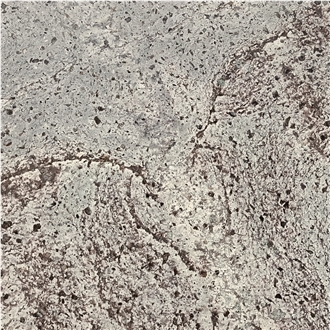
Giallogiotto Porphyry is a distinctive natural stone prized for its warm golden-yellow to ochre base, densely populated with dark grey, bluish-black, and occasional reddish-brown crystalline speckles. The first image vividly shows its rough, granular texture​ and non-directional, random crystalline pattern, creating a rustic yet elegant aesthetic. This volcanic stone embodies a harmonious blend of warm color and robust, natural character, making it ideal for both interior and exterior architectural applications where durability and visual warmth are desired.

Technical Specifications & Test Results (CE Declared Performance)

A. Core Physical & Mechanical Properties:

Reaction to Fire:​ Class A1

Flexural Strength:

  • Lower Expected Value: 20.9 MPa
  • Mean Value: 25.0 MPa

Durability of Flexural Strength:

  • After 56 Frost Cycles: 24.6 MPa
  • After 20 Thermal Cycles: 22.0 MPa

Apparent Density:​ 2,600 kg/m³

Water Absorption (Max.):​ 1.3%

Abrasion Resistance (Max.):​ 17.5 mm

Thermal Conductivity (Design Value):​ 2.8 W/(m·K)

Thermal Shock (Mass Change after 20 cycles):​ -0.13%

Sound Insulation (Design Value):​ 2,500 - 2,700 kg/m³

Chemical & Hazardous Substances Release:​ Not relevant

B. Slip Resistance Values (SRV) for Key Finishes:

  • Polished Surface:​ SRV dry 63, SRV wet 21
  • Smoothed Surface (120 grit):​ SRV dry 65, SRV wet 30
  • Sawn Surface:​ SRV dry 75, SRV wet 61
  • Raw Surface (Roughness >1mm):​ Not slippery
  • Sandwaterjet Surface:​ SRV wet 80

C. Inferred Chemical & Mineral Composition (% by weight):

  • Silica (SiO₂, primarily Quartz & Feldspar):​ 60-75% (light-colored matrix)
  • Amphibole/Pyroxene Minerals:​ 20-30% (dark grey/black speckles)
  • Iron Oxides (Fe₂O₃/Fe₃O₄):​ 2-8% (imparts yellow/ochre base and red-brown specks)
  • Accessory Minerals:​ < 5%

Hardness (Mohs Scale, inferred):​ ~6-7

D. Visual & Textural Description:

  • Color:​ Dominant warm golden-yellow to ochre background with numerous dark grey, bluish-black, and occasional reddish-brown crystalline inclusions.
  • Pattern:​ Non-directional, random distribution of crystalline speckles of varying sizes within a fine-grained matrix.
  • Texture:​ Rough, granular, and naturally textured; visible pits and grain variation.

Available Formats, Finishes & Processing

A. Standard Cutting Sizes:

  • Slabs:​ Up to 300×150 cm. Standard thicknesses: 2 cm, 3 cm.
  • Tiles:​ 30×30 cm, 40×40 cm, 40×60 cm, 60×60 cm, and custom formats.
  • Special Elements:​ Stair treads, coping stones, cladding panels, cobblestones.

B. Surface Finish Options:

  • Flamed (Fiammato):​ Standard for paving; enhances slip resistance and texture.
  • Brushed/Gritted:​ For improved slip resistance (R10/B classes common).
  • Sawn:​ Rough, non-porous texture ideal for exterior paving.
  • Smoothed (120/180 grit):​ Less aggressive texture for lower slip resistance classes (e.g., R9).
  • Honed/Levigato:​ Smooth matte finish suitable for tabletops or interior flooring.
  • Polished:​ High-gloss finish for interior decorative use (lower slip resistance).
  • Split Face:​ Rustic, naturally cleft surface for feature walls.
  • Sandwaterjet:​ Custom anti-slip textured finish (very high SRV wet: 80).

Applications, Usage & Maintenance

A. Primary Applications:

  • Exterior Paving & Cladding:​ Public squares, pedestrian zones, driveways, facades.
  • Interior Flooring:​ High-traffic commercial and residential spaces.
  • Kitchen & Bathroom Countertops:​ Durable and heat-resistant (with appropriate finish).
  • Urban Furniture & Landscaping:​ Steps, benches, curbs, garden elements.

B. Usage Notes:

  • Finish Selection:​ Critical for slip resistance. Choose based on location (interior/exterior, wet/dry) and required safety class (R9-R12, B, C).
  • Durability:​ High resistance to wear, frost, and thermal shock. Excellent for high-traffic and outdoor applications.
  • Sealing:​ Generally not required due to low porosity, but can be sealed in kitchen applications for added stain protection.

C. Maintenance:

  • Cleaning:​ Use water and a mild, pH-neutral detergent. High-pressure washing is suitable for exterior applications.
  • Long-Term Care:​ Virtually maintenance-free. Its performance characteristics remain stable over decades.

Giallogiotto Porphyry is a warm-toned, crystalline volcanic stone​ from the Italian Alps, renowned for its exceptional durability, slip resistance, and rustic aesthetic. Its combination of mechanical strength, low water absorption, and variety of available finishes makes it a versatile and long-lasting choice for demanding architectural projects worldwide.

FAQ

Is vinegar ok to use on Giallogiotto Porphyry countertop?

Using vinegar on a Giallogiotto Porphyry countertop is not recommended. Porphyry is a type of natural stone that can be sensitive to acidic substances like vinegar. Acid can etch and dull the surface over time, potentially damaging the stone. Instead, its best to use a pH-neutral cleaner specifically designed for natural stone to maintain the beauty and integrity of your countertop. Always consult the care instructions provided by the manufacturer or installer, as they might have specific recommendations for your countertop.

How can I permanently seal Giallogiotto Porphyry polished floor tiles?

Sealing Giallogiotto Porphyry polished floor tiles is an important step to protect them from stains and moisture. It is essential to use the right type of sealer and follow proper procedures for a long-lasting effect. Here is a step-by-step guide to help you seal the tiles: 1. **Clean the Tiles:** - Thoroughly clean the tiles to remove any dirt, grease, or grime. Use a pH-neutral cleaner that is safe for natural stone. Avoid using acidic or abrasive cleaners as they can damage the surface. - Rinse the floor with clean water and let it dry completely. Ensure theres no moisture on the surface before applying the sealer. 2. **Choose the Right Sealer:** - For polished Giallogiotto Porphyry, use a penetrating or impregnating sealer specifically designed for natural stone. These sealers penetrate the surface and provide protection from within without altering the stone’s appearance. - Ensure the sealer is suitable for polished stone surfaces as some sealers are not effective on polished finishes. 3. **Test the Sealer:** - Before applying the sealer to the entire floor, test it on a small, inconspicuous area. This ensures compatibility and verifies that it achieves the desired effect without altering the tile’s appearance. 4. **Apply the Sealer:** - Use a clean, lint-free cloth, a roller, or a brush to apply the sealer evenly to the tiles. Follow the manufacturer’s instructions for application to ensure maximum effectiveness. - Make sure that the sealer is applied evenly without pooling or streaking. 5. **Wipe Off Excess Sealer:** - After allowing the sealer to penetrate the surface for the recommended time (usually 10-15 minutes), wipe off any excess using a clean cloth. Leaving excess sealer on the surface can cause a hazy or sticky finish. 6. **Let the Sealer Cure:** - Allow the sealer to cure for the time specified by the manufacturer. This curing process is crucial for ensuring that the sealer bonds properly with the stone. 7. **Apply a Second Coat (if recommended):** - Depending on the porosity of the stone and the product you are using, you may need to apply a second coat. Follow the same procedure as the first application. 8. **Regular Maintenance:** - Use appropriate cleaners for regular maintenance and avoid harsh chemicals that can wear down the sealer over time. By following these steps, you can effectively seal your Giallogiotto Porphyry polished floor tiles. Remember to reseal the tiles periodically as per the sealer manufacturers recommendations to maintain the protection level.

How to make Giallogiotto Porphyry pavers waterproof?

Making Giallogiotto Porphyry pavers waterproof involves sealing them properly to protect against moisture penetration, staining, and damage. Here’s a step-by-step guide on how to do it: 1. **Clean the Pavers:** - Begin by thoroughly cleaning the pavers to remove dirt, dust, and any existing stains. Use a pressure washer or a scrub brush with a mild detergent. Ensure all debris and grime are removed. 2. **Allow to Dry:** - Its crucial for the pavers to be completely dry before applying a sealant. Allow them to dry for at least 24-48 hours after cleaning, depending on the weather conditions. 3. **Select a Suitable Sealer:** - Choose a high-quality, penetrating stone sealer designed for natural stones like porphyry. Look for sealers that are specifically rated for outdoor use and are water-resistant or waterproof. 4. **Test the Sealer:** - Before applying the sealer to all the pavers, test it on a small, inconspicuous area to ensure it does not discolor or damage the stone. 5. **Apply the Sealer:** - Using a paint roller, brush, or a sprayer, apply the sealer evenly across the surface of the pavers. Follow the manufacturers instructions for the best results. Work in manageable sections to ensure even coverage. 6. **Allow for Proper Drying:** - Let the first coat of sealer dry completely. This can typically take a few hours, but drying times may vary based on the product used and environmental conditions. 7. **Apply Additional Coats:** - For optimal waterproofing, apply at least two coats of sealer. Allow each coat to dry thoroughly before applying the next. 8. **Cure Time:** - After applying the final coat, let the pavers cure according to the manufacturers guidelines, which could range from 24 to 72 hours. 9. **Routine Maintenance:** - Regularly clean the pavers and reapply the sealant every 1-2 years or as needed to maintain the pavers waterproof properties and appearance. By following these steps, you can effectively make Giallogiotto Porphyry pavers more resistant to water damage, prolonging their lifespan and beauty.

Does water permanently stain Giallogiotto Porphyry bathroom countertops?

Giallogiotto Porphyry is a type of natural stone known for its durability and resistance to staining. However, like most natural stones, it can be susceptible to water spots or mineral buildup if not properly maintained. Water itself typically doesn’t permanently stain Giallogiotto Porphyry, but if water is allowed to sit on the surface for a prolonged period, it can lead to mineral deposits or etching, especially if the water is hard. To prevent any potential issues, it’s important to: 1. **Wipe Up Spills Promptly**: Clean up water and other spills as soon as possible. 2. **Seal the Countertops**: Regularly sealing the surface can provide an additional layer of protection against staining and water damage. 3. **Clean Properly**: Use a pH-neutral cleaner designed for natural stone to maintain the surface without causing damage. 4. **Use Coasters and Trivets**: Protect the surface by using coasters under glasses and trivets under hot dishes or appliances. If you notice water spots or mineral buildup, these can often be removed with appropriate cleaners designed for natural stone. However, for more serious issues, you may need to consult a professional stone restoration service.

Is 18mm Giallogiotto Porphyry good for kitchen countertops?

Giallogiotto Porphyry, known for its durability, resistance to wear, and unique aesthetic, can be a suitable material for kitchen countertops. However, whether an 18mm thickness is adequate depends on several factors: 1. **Durability and Strength**: Porphyry, being a dense and hard natural stone, generally provides good resistance to scratches, heat, and stains, which are all beneficial properties for kitchen countertops. 2. **Support and Stability**: An 18mm thickness can be sufficient for countertops, but it typically requires proper support and installation. Its important to ensure that cabinets or substrata provide adequate support to prevent any bending or breaking. 3. **Aesthetic Considerations**: Giallogiotto Porphyry has a unique color and texture that can add a distinctive look to your kitchen. Ensure that its tones and appearance align with your design preferences. 4. **Cost and Availability**: Porphyry can be more expensive than other countertop materials. Its important to consider your budget and whether Giallogiotto Porphyry fits within it. Additionally, availability might vary depending on your location. 5. **Maintenance**: While porphyry is generally low-maintenance, it is still essential to seal it properly to maintain its appearance and prevent potential staining. Before making a decision, its recommended to consult with a professional stone fabricator or installer to assess the suitability of 18mm Giallogiotto Porphyry for your specific kitchen setup and to ensure that its installed properly to maximize its longevity and performance.

What is the typical thickness of Giallogiotto Porphyry kitchen countertop?

The typical thickness for a Giallogiotto Porphyry kitchen countertop generally ranges from 2 cm (approximately 3/4 inch) to 3 cm (about 1 1/4 inches). These are standard thicknesses for natural stone countertops, providing a good balance of strength and aesthetic appeal. However, custom thicknesses may also be available depending on the supplier and specific design requirements. Always consult with your fabricator or supplier for options and recommendations specific to your project.

Products & Prices

Hot Porphyry

New Porphyry

Post Your Request

The request includes:
  1. surface finished, size
  2. quantity required