Post Your Needs

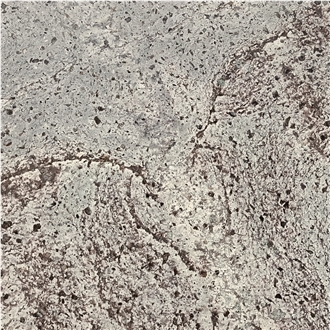
Grigioverde Porphyry

Porphyry

Italy

About

Item Details

Material Type:
Porphyry
Origin:
Italy (Renon, in Bolzano province (Trentino Alto Adige))
Recommended Usage:
Kitchen and bathroom countertops, monuments, building stone, ornamental stone, stairs, interior, exterior wall and floor applications, mosaic, waterjet pattern, wall panels, table tops, window sills, balustrades, columns, wall and pool copings, pool pavers, sculptures, fireplaces, pavers, cobbles, curbstone
Additional Names:
Porfido Grigioverde, Bolzano Green Porphyry, Porfido Grigio Verde, Porfido Verde, Porfido Sarentino, Porfido Sarentino Grigio, Sarner Porphyry Grigio, Porfido Sarentino Grigio Verde, Sarner Porphyr Grau/Gruen, Sarner Porphyry Gruen, Sarner Porphyry Grun, Sarntal Porphyry Green, Porfido Grigio Verde Sarentino
Finished Surface:
Polished,Flamed,Bush Hammered,Tumbled,Brushed,Honed,Split,Machine Cut,Natural Surface,Sandblasted,Acid Washing,Combed,Leathered,Water Jet,Filled,Chiseled,Pickling

Testing

Water Absorption:
2.1%
Density:
2525 kg/m³
Flexural Strength:
22.5 MPa
Compressive Strength:
143.0 - 149.0 MPa

Description

Petrographic Definition:​ Riolite Ignimbritica (Rhyolitic Ignimbrite)

Origin:​ Quarried at 1300 mt. above sea level in Renon, Bolzano Province (Trentino-Alto Adige), Italy

Certification:​ CE Mark, Notified Body No. 16,

Harmonized Standards: EN 1469:2014, EN 12057:2014, EN 12058:2014

Intended Use:​ Paving and cladding (internal / external)

Grigioverde Porphyry is a distinctive volcanic stone sourced from the high alpine quarries of Renon. Characterized by a predominantly medium to dark grey base, it is densely populated with a fine, random dispersion of light grey, pale green, and occasional ochre-toned crystalline speckles. The stone exhibits a rough, granular texture​ with a matte, earthy surface, creating a natural, rustic aesthetic ideal for both traditional and contemporary architectural applications. The name "Grigioverde" (Italian for "grey-green") aptly reflects its unique color palette. Its superior technical performance, certified by CE standards, makes it a top choice for demanding projects requiring durability, safety, and natural beauty.

Technical Specifications & Test Results (CE Declared Performance)

A. Core Physical & Mechanical Properties:

Reaction to Fire:​ Class A1

Flexural Strength:

  • Lower Expected Value: 18.9 MPa
  • Mean Value: 22.5 MPa
  • Standard Deviation: 1.8 MPa

Durability of Flexural Strength- After 56 Frost Cycles: 18.6 MPa

Apparent Density:​ 2525 kg/m³

Water Absorption:​ Mean Value 2.1%

Sound Insulation (Design Value):​ 2525 kg/m3

Thermal Conductivity (Design Value):​ 2.8 W/(m·K)

Abrasion Resistance:​ Maximum Value 19.0 mm

Thermal Shock (Change in Mass after 20 cycles):​ NPD (No Performance Determined)

Chemical & Hazardous Substances Release:​ Not relevant

B. Slip Resistance Values (SRV) for Key Finishes:

  • Polished Surface:​ SRV dry 63, SRV wet 21
  • Smoothed Surface (120 grit):​ SRV dry 65, SRV wet 30
  • Sawn Surface:​ SRV dry 75, SRV wet 61
  • Raw Surface (Roughness >1mm):​ Not slippery

C. Inferred Chemical & Mineral Composition (% by weight):

  • Silica (SiO₂, primarily Quartz & Feldspar):​ 60-70% (matrix and light-colored crystals)
  • Amphibole/Pyroxene Minerals:​ 20-30% (dark grey/black crystals)
  • Chlorite/Serpentine Minerals:​ 3-8% (primary source of greenish hues)
  • Iron Oxides (Fe₂O₃/Fe₃O₄):​ 2-5% (imparts grey and ochre tones)
  • Accessory Minerals:​ < 3%
  • Hardness (Mohs Scale, inferred):​ ~6-7

D. Visual & Textural Description:

  • Color:​ Medium to dark grey ("Grigio") base with a high concentration of very fine, light grey, pale green ("Verde"), and occasional ochre or white crystalline inclusions.
  • Pattern:​ Fine, non-directional, random, and dense speckling. The distribution is even, creating a uniform, granular, and highly textured appearance.
  • Texture:​ Rough, granular, and porous. The surface is visibly pitted and textured, providing a strong, natural grip.

Available Formats, Finishes & Processing

A. Standard Cutting Sizes:

  • Slabs:​ Up to 300×150 cm. Standard thicknesses: 2 cm, 3 cm.
  • Tiles:​ 30×30 cm, 40×40 cm, 40×60 cm, 60×60 cm, and other modular formats.

B. Surface Finish Options:

  • Sawn:​ The standard finish for paving, providing excellent slip resistance and a natural texture.
  • Flamed (Fiammato):​ Enhances slip resistance and texture for high-safety areas.
  • Brushed/Gritted:​ For improved slip resistance (typically R10/B classes).
  • Smoothed (120/180 grit):​ For lower slip resistance classes (e.g., R9).
  • Honed/Levigato:​ Smooth matte finish for interior applications like flooring or tabletops.
  • Polished:​ High-gloss finish for interior decorative use (lower slip resistance).
  • Split Face:​ Rustic, cleft surface for feature walls.

Applications, Usage & Maintenance

A. Primary Applications:

  • Exterior Paving:​ High-traffic public squares, pedestrian zones, driveways, and courtyards.
  • Interior Flooring:​ Commercial lobbies, museums, and residential spaces.
  • Architectural Cladding:​ Building facades, feature walls, and landscape elements.
  • Urban Furniture:​ Steps, curbs, benches, and water features.

B. Usage Notes:

  • Finish Selection:​ Critical for safety. Match the finish to the required slip resistance (SRV values) and application (wet/dry, interior/exterior).
  • Durability:​ High resistance to wear, frost, and abrasion. Ideal for demanding applications.
  • Sealing:​ Due to a moderate water absorption rate (2.1%), sealing is recommended for cladding and in frost-prone environments to enhance durability.

C. Maintenance:

  • Routine Cleaning:​ Use water and a mild, pH-neutral detergent. High-pressure washing is suitable for exterior paving.
  • Long-Term Care:​ Durable and long-lasting with minimal maintenance. Re-sealing may be required periodically for sealed applications.

Grigioverde Porphyry is a fine-grained, grey-green speckled volcanic stone​ renowned for its high durability, excellent slip resistance, and alpine ruggedness. Its certified performance and variety of finishes make it a versatile and reliable choice for architectural projects that demand both aesthetic appeal and structural integrity.

FAQ

Which surface treatment is better for Grigioverde Porphyry walkway paving tiles?

When choosing a surface treatment for Grigioverde Porphyry walkway paving tiles, consider factors such as slip resistance, durability, and aesthetic preference. Here are some common surface treatment options: 1. **Natural/Cleft Finish**: This is the most common finish for porphyry tiles. It retains the natural texture and unevenness of the stone, providing good slip resistance, which is ideal for outdoor walkways. 2. **Honed Finish**: This involves grinding the surface to a smooth, matte finish. It reduces the natural texture, which may decrease slip resistance compared to a cleft finish. Its more common for indoor applications but can be used outdoors where aesthetics are a priority over slip resistance. 3. **Flamed or Thermal Finish**: This finish is achieved by applying high heat to the stone surface, causing it to burst and create a rough texture. This enhances slip resistance and maintains a natural appearance, making it suitable for outdoor walkways. 4. **Brushed or Antique Finish**: This gives the stone a worn-in, aged look by brushing the surface to create a slightly textured but smoother finish than natural or flamed surfaces. It offers moderate slip resistance. 5. **Sealed Finish**: Sealing is applied after one of the above finishes to protect the stone from staining and water penetration. Sealants can be clear or enhance the stones color, and should be chosen based on desired maintenance effort and environmental conditions. Ultimately, the best choice depends on the specific requirements for slip resistance, maintenance, and visual aesthetics in your project. For most outdoor applications, a natural or flamed finish is recommended for its slip resistance and durability. Always consult with a professional to assess specific project needs.

Is Grigioverde Porphyry paving slippery when wet?

Grigioverde Porphyry, like many natural stone surfaces, can become slippery when wet. Its slip resistance largely depends on the finish applied to the surface. A honed or polished finish is typically more slippery than a textured or flamed finish, which offers better grip. When considering this material for paving, particularly in areas prone to moisture, its essential to consider the finish and possibly treat the surface with an anti-slip solution if needed. Always consult with your supplier or a professional to choose the best finish for your specific application and conditions.

Does Grigioverde Porphyry walkway paving need sealing?

Grigioverde Porphyry, like many natural stones, can benefit from sealing to protect it from staining, enhance its appearance, and prolong its lifespan, especially if it is used for walkway paving. Sealing helps to prevent water, oil, and other substances from penetrating the stone, which can lead to staining or other damage over time. While sealing is generally recommended, it is not always strictly necessary, depending on the specific application, location, and expected exposure to elements and traffic. If the walkway is in an area where it will be subject to a lot of spills, dirt, or harsh weather conditions, sealing can offer extra protection. Its important to use a sealer that is appropriate for natural stone and to follow the manufacturers instructions for application. Additionally, the stone should be thoroughly cleaned and completely dry before sealing. The frequency of resealing can vary based on the type of sealer used and the amount of wear the stone experiences, but generally, it may need to be resealed every few years. Before proceeding, it might be worthwhile to consult with a stone care professional or the supplier for specific recommendations for maintaining Grigioverde Porphyry in your particular environment.

Can 5 cm thick Grigioverde Porphyry be used for driveway?

Yes, 5 cm thick Grigioverde Porphyry can be used for driveways, provided it is installed correctly. Porphyry is a dense and durable natural stone, making it suitable for surfaces that need to withstand heavy loads, such as driveways. However, proper installation is crucial to ensure longevity and performance. This includes a well-prepared sub-base, adequate drainage, and proper joint filling to resist shifting and settling under vehicular weight. Its also recommended to consult with a professional installer to assess site-specific conditions and ensure the best results.

How to split Grigioverde Porphyry pavers by hand?

Splitting Grigioverde Porphyry pavers by hand is a technique that can be performed for custom sizing or shaping, and it requires patience and the right tools. Here’s a step-by-step guide to help you through the process: ### Tools Needed: 1. **Safety Gear:** - Safety goggles - Gloves - Dust mask 2. **Tools:** - Chisel (specifically a stone chisel or sometimes called a mason’s chisel) - Hammer (preferably a mason’s or lump hammer) - Measuring tape or chalk line - Straight edge or ruler - Pencil or chalk for marking ### Steps to Split Porphyry Pavers: 1. **Safety First:** - Wear your safety goggles, gloves, and dust mask to protect yourself from stone chips and dust. 2. **Surface Preparation:** - Place the paver on a stable, non-slip surface. If possible, work on a sandbag or cushioning material to absorb the impact. 3. **Mark the Split Line:** - Use the measuring tape or straight edge to determine where you want to split the paver. - Mark the desired split line with a pencil or chalk. 4. **Scoring:** - Position the chisel on the marked line. - Lightly tap the chisel with the hammer along the line to create a score. Be consistent with your force to ensure a uniform line. - Score the line on all sides of the paver to weaken the structure along the intended split. 5. **Splitting:** - Place the chisel on one point of the scored line. - Deliver a firm, controlled strike with the hammer. You may need to strike several points along the scored line. - Continue to apply force along the scored line until the paver begins to split. 6. **Final Adjustments:** - Once the paver is split, you can further refine the edges using the chisel and hammer to chip away rough areas. - Smooth the edges with a stone file or sandpaper if necessary, to achieve the desired finish. ### Tips: - Ensure your tools are in good condition; a dull chisel won’t give you a clean line. - Start with light taps and gradually apply more force to avoid cracking the paver in undesired ways. - Practice on a spare or less important piece if you are unfamiliar with the process. - If precision is crucial, consider using a wet saw instead, as it offers more control and cleaner cuts. By following these steps and using the correct techniques and tools, you can effectively split Grigioverde Porphyry pavers by hand.

How thick should Grigioverde Porphyry pool terrace pavers be?

The thickness of Grigioverde Porphyry pavers for a pool terrace depends on several factors, such as the expected load, installation method, and local building codes. Generally, for pedestrian areas like pool terraces, pavers should be at least 1.25 inches (approximately 3 cm) thick. However, if the pavers will support heavier loads or are part of a vehicular area, a thickness of at least 2 inches (approximately 5 cm) may be necessary. Always consult with a professional installer or a local building code official to ensure you choose the appropriate thickness for your specific project and conditions.

Products & Prices

Hot Porphyry

New Porphyry

Post Your Request

The request includes:
  1. surface finished, size
  2. quantity required