Post Your Needs

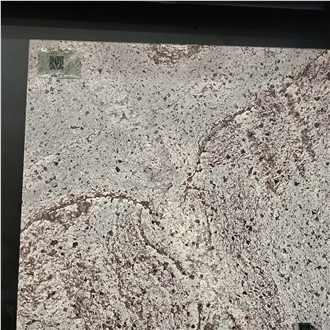
Starry Purple Porphyry

Porphyry

China

About

Item Details

Material Type:
Porphyry
Origin:
China
Recommended Usage:
Monuments, building stone, ornamental stone, stairs, interior, exterior wall and floor applications, mosaic, wall panels, reliefs, window sills, balustrades, columns, wall and pool copings, pool pavers, sculptures, fireplaces, cobbles, pavers, curbstone
Additional Names:
Starlight Purple Porphyry, Star Shine Purple Porphyry, Galaxy Purple Porphyry, in China Stone Market:星耀紫(Xīng Yào Zǐ), Starry Purple Porphyry
Finished Surface:
Polished,Flamed,Bush Hammered,Tumbled,Brushed,Honed,Split,Machine Cut,Natural Surface,Sandblasted,Combed,Leathered,Water Jet,Filled,Chiseled,Pickling

Testing

Water Absorption:
~0.30%
Density:
~2850 Kg/m³
Flexural Strength:
12–15 MPa
Compressive Strength:
160–180 MPa

Description

Starry Purple Porphyry features a light silvery earth grey base with subtle purple undertones. The stone presents scattered darker spots and fine veins, creating a natural, dynamic pattern that resembles starlight on a dusky sky. The texture is compact with a fine to medium grain, and occasional larger crystal inclusions typical of porphyry.

Texture & Pattern

  • Texture:  Fine to medium-grained crystalline porphyritic structure
  • Pattern: Irregular darker spots, delicate veins, soft flow lines
  • Surface feel: Naturally non-slip when flamed or bush hammered

Physical and Mechanical Properties

(typical for Chinese porphyry; actual test reports recommended for exact block)

  • Density: ~2.85 g/cm³
  • Water absorption: ~0.30%
  • Porosity: Low
  • Compressive strength: 160–180 MPa
  • Flexural strength: 12–15 MPa
  • Mohs hardness: 6–7 (good resistance to scratching)
  • Slip resistance: Very good when flamed or bush hammered

Chemical Composition (% by weight)

(approximate for porphyry of this type)

  • SiO₂ (Silicon Dioxide): 68–72%
  • Al₂O₃ (Aluminum Oxide): 14–17%
  • Fe₂O₃ (Iron Oxide): 3–5%
  • CaO (Calcium Oxide): 1–2%
  • MgO (Magnesium Oxide): 1–2%
  • K₂O + Na₂O (Alkali oxides): 4–6%

Mineral Composition (% by weight)

  • Quartz: ~30–35%
  • Feldspar (plagioclase, microcline): ~40–45%
  • Mica and hornblende: ~5–10%
  • Other (accessory minerals + iron oxides): ~10%

Common Uses

  • Exterior paving (squares, streets, plazas)
  • Wall cladding (façades)
  • Stair treads and risers
  • Pool surrounds
  • Interior floors in high-traffic areas
  • Landscaping and garden features

Maintenance

  • Easy maintenance — periodic cleaning with neutral detergent
  • Low porosity reduces risk of staining
  • Re-sealing recommended for polished surfaces in interior applications
  • Resistant to frost, heat, and weathering

Standard Cutting Sizes (cm)

Tiles: 30×60, 40×40, 60×60, 60×90, 60×120

Slabs: 120×240 up to 150×300 (depending on quarry block size)

Thickness: 2 cm, 3 cm standard; custom thickness on request

Surface Finish Options

  • Flamed
  • Bush hammered
  • Sandblasted
  • Honed
  • Polished (less common due to porphyry texture)
  • Natural split

FAQ

Can 3 cm thick Starry Purple Porphyry pavers be used for a driveway?

When considering materials for a driveway, its essential to evaluate their thickness, strength, and durability. Starry Purple Porphyry is a type of igneous rock known for its hardness and durability, which generally makes it suitable for various paving applications. However, the thickness of the pavers is crucial when it comes to driveways, which need to withstand the weight and movement of vehicles. Typically, a minimum thickness of 5-6 cm (about 2-2.5 inches) is recommended for driveway pavers to ensure they can handle the load without cracking or shifting. At 3 cm thickness, the Starry Purple Porphyry pavers may be more suitable for pedestrian areas like walkways or patios rather than for driveways. Using them for a driveway could lead to issues such as breakage or displacement over time. Ultimately, for paver applications involving vehicle traffic, its advisable to consult with a professional contractor or engineer who can assess the specific conditions of your driveway and provide recommendations on material suitability, sub-base preparation, and other key factors.
How thick is a standard Starry Purple Porphyry tactile paver?

The thickness of a tactile paver, including one made from Starry Purple Porphyry, can vary depending on the manufacturer and the specific application its intended for. However, tactile pavers generally range in thickness from about 2 inches (50 mm) to 3 inches (75 mm). For specific thicknesses, especially in unique materials like Starry Purple Porphyry, you would need to refer to product specifications provided by manufacturers or suppliers. Its always best to consult with them to ensure you have the correct thickness for your particular project or use case.

What are Starry Purple Porphyry tactile pavers used for?

Starry Purple Porphyry tactile pavers are designed for use in public spaces to provide tactile guidance for visually impaired individuals. These pavers have textured surfaces that help individuals navigate spaces safely. They are commonly used in sidewalks, transit platforms, and other pedestrian areas to indicate changes in direction, the presence of hazards, or transitions between spaces. The use of distinct colors and textures ensures that these pavers are both visually and tactilely noticeable, contributing to safer and more accessible public environments.

How far apart should Starry Purple Porphyry bollards be installed?

When installing Starry Purple Porphyry bollards or any type of bollards, the spacing typically depends on their intended function. For general pedestrian and vehicular control, a common guideline is to space bollards approximately 3 to 5 feet apart. This distance is close enough to prevent vehicles from passing through while allowing easy passage for pedestrians, wheelchairs, and strollers. However, specific requirements may vary based on local regulations, site-specific needs, and the particular security functions the bollards are intended to serve (e.g., preventing vehicle ramming attacks). Its also important to ensure compliance with accessibility laws, such as the Americans with Disabilities Act (ADA) in the United States, which may influence spacing to accommodate individuals with disabilities. For specific projects, consulting with a civil engineer, urban planner, or local regulations is recommended to determine the most appropriate spacing for your bollards.

Can Starry Purple Porphyry be used for kitchen countertop?

Starry Purple Porphyry can technically be used for a kitchen countertop, but there are several factors to consider before making a decision. 1. **Durability:** Porphyry is known for its durability and resistance to weathering, which makes it a common choice for outdoor paving and cladding. For kitchen countertops, its durability is generally a positive attribute, but its suitability will depend on the specific type and quality of the porphyry. 2. **Porosity:** Natural stones can vary in porosity, and porous stones are more prone to staining, especially in a kitchen setting where spills are common. Its important to check the porosity level of the particular porphyry you are considering. Sealing the stone can help mitigate this issue. 3. **Maintenance:** Some natural stones require more maintenance than others. Its important to understand the maintenance requirements of Starry Purple Porphyry to ensure it remains in good condition over time. 4. **Aesthetics:** The unique appearance of Starry Purple Porphyry can add an interesting and luxurious look to a kitchen. If the color and pattern fit your design aesthetic, it can be an excellent choice. 5. **Cost:** Natural stone countertops can be expensive, and porphyry is no exception. Its important to consider your budget when deciding on a countertop material. Before making a decision, consult with a stone professional or a kitchen designer who can provide more specific advice based on your kitchen design, lifestyle, and the specific characteristics of the porphyry available to you.

How can I repair the scratched surface of the Starry Purple Porphyry steps?

Repairing scratched Starry Purple Porphyry steps involves several steps to restore their appearance. Heres a general guide to help you through the process: 1. **Assessment**: - First, assess the extent of the scratches to determine the best approach. Surface scratches can often be repaired with polishing, while deeper scratches may require more intensive care. 2. **Cleaning**: - Begin by cleaning the surface thoroughly to remove dirt and debris. Use a gentle cleanser suitable for natural stone and a soft brush or cloth. 3. **Polishing Surface Scratches**: - For minor scratches, try polishing the surface with a stone polish or a dedicated polishing compound. Use a soft cloth or a low-speed hand polisher with a felt pad. Polish in circular motions to evenly work on the surface. - Rinse the area with clean water and dry it with a soft cloth. 4. **Filling Deep Scratches**: - For deeper scratches, you may need to use an epoxy resin or a stone repair kit. - Carefully mix the epoxy resin according to the manufacturers instructions. Add a dye to match the color of your porphyry if necessary. - Apply the epoxy to the scratched area with a spatula or similar tool, ensuring it is level with the surrounding surface. - Allow the epoxy to cure fully as per the instructions. 5. **Sanding and Polishing**: - Once the epoxy has cured, gently sand the repaired area with progressively finer grit sandpaper (starting around 400 grit and moving to 800 grit or finer) until it blends with the rest of the step. - After sanding, polish the area again to restore the sheen. Use a stone polish and a soft cloth or a buffer. 6. **Sealing**: - After polishing, consider sealing the porphyry surface with a stone sealer. This will help protect it from future damage and enhance its natural appearance. 7. **Maintenance**: - Regular cleaning and periodic resealing will keep the steps looking good and help prevent future scratches. If the scratches are particularly deep or the area is large, it may be wise to consult a professional who specializes in stone restoration to ensure the best results.

Is 3cm thick Starry Purple Porphyry durable enough for use as walkway pavers?

Starry Purple Porphyry, like other types of porphyry, is generally considered a durable and hard natural stone, making it suitable for use as walkway pavers. However, durability depends on several factors, including the specific quality of the stone, the installation process, and the expected load on the pavers. For walkway purposes, a thickness of 3 cm can be appropriate if the path is meant for pedestrian use and not subject to heavy vehicular traffic. Proper installation is critical to ensure durability, which includes a well-prepared base, correct joint spacing, and appropriate drainage. Its always a good idea to consult with a local contractor or stone supplier to ensure that the specific type of porphyry you plan to use is suitable for your particular application and environmental conditions. They can provide guidance on installation and help ensure the longevity of your walkway.

Does the surface of Starry Purple Porphyry scratch easily?

Starry Purple Porphyry is a type of igneous rock known for its durability and hardness. It has historically been valued for its aesthetic appeal and resistance to wear and tear, making it a popular choice for building and decorative purposes. While it is more resistant to scratches compared to softer stones, no material is entirely scratch-proof. The likelihood of scratching can depend on the specific finish applied to the porphyry and the forces involved. Generally, under normal use conditions, Starry Purple Porphyry doesn’t scratch easily, but it’s always best to take care and avoid contact with sharp or abrasive objects.

Products & Prices

Hot Porphyry

New Porphyry

Post Your Request

The request includes:
  1. surface finished, size
  2. quantity required