Post Your Needs

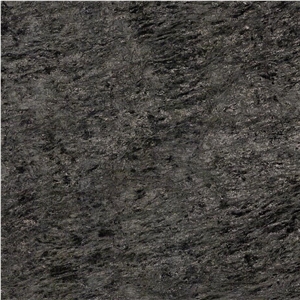
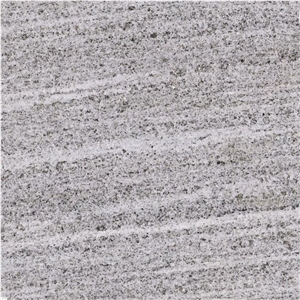
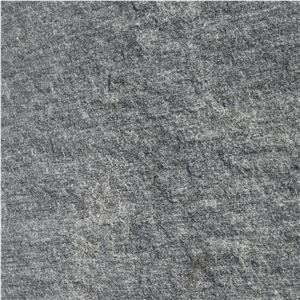
Gneiss Medgidia

Grey - Gneiss

Romania

About

Item Details

Material Type:
Gneiss
Origin:
Romania (Medgidia, Constanţa County, Dobruja, south-eastern Romania)
Primary Color(s):
Grey
Recommended Usage:
Building stone,countertops, sinks, monuments, pool coping, sills, ornamental stone, interior, exterior, wall, floor , paving
Additional Names:
Gneiss Gri de Sardinia, Medgidia Gneiss, Gneiss Medgidia
Finished Surface:
Sawn Cut, Sanded, Rockfaced, Sandblasted, Bushhammered, Tumbled, Thermalled, Natural Cleft, Weatheredge

Description

Gneiss Medgidia is a kind of grey gneiss quarried in Romania. This stone is especially good for Building stone,countertops, sinks, monuments, pool coping, sills, ornamental stone, interior, exterior, wall, floor , paving and other design projects. It also called Gneiss Gri de Sardinia,Medgidia Gneiss . Gneiss Medgidia can be processed into Sawn Cut, Sanded, Rockfaced, Sandblasted, Bushhammered, Tumbled, Thermalled, Natural Cleft, Weatheredge and so on.

FAQ

Can Romania's Gneiss Medgidia be used exterior applications in cold climates?

Yes, Romanias Gneiss Medgidia can be used in exterior applications in cold climates. Gneiss is a type of metamorphic rock that is known for its durability, strength, and resistance to weathering. It can withstand a wide range of temperatures and has good freeze-thaw resistance, making it suitable for use in cold climates. However, it is recommended to consult with a professional architect or engineer to ensure that the specific type and quality of Gneiss Medgidia being used is suitable for the intended exterior application and climate conditions.

Can Romania's Gneiss Medgidia be used in landscaping?

Yes, Romanias Gneiss Medgidia can be used in landscaping. Gneiss is a type of metamorphic rock that often displays beautiful patterns and colors, making it a popular choice for various landscape projects such as pathways, patios, garden walls, and decorative rocks. The durability and resistance of gneiss also make it suitable for outdoor applications. Whether its for creating a natural-looking landscape or adding a touch of elegance, Romanias Gneiss Medgidia can be a great option for landscaping.

Can Romania's Gneiss Medgidia be used in a bathroom?

Yes, Romanias Gneiss Medgidia can be used in a bathroom. Gneiss is a type of metamorphic rock that is known for its durability and resistance to water, making it suitable for various applications, including bathroom countertops, flooring, and wall cladding. Gneiss Medgidia, specifically, is a type of gneiss that originates from the Medgidia area in Romania. It features a beautiful aesthetic with its distinct patterns and colors, often including combinations of grays, whites, and blacks. Therefore, Gneiss Medgidia can be a great choice for bathroom design, adding both functionality and visual appeal to the space.

Can Romania's Gneiss Medgidia be used outdoors?

I dont have information regarding the specific characteristics of Romanias Gneiss Medgidia. However, gneiss is a type of metamorphic rock that is often used in outdoor construction, such as for building walkways, retaining walls, and decorative landscaping. It is known for its durability, resistance to weathering, and non-slip surface, making it an excellent choice for outdoor use. So, if Romanias Gneiss Medgidia also exhibits these properties, it could be used outdoors.

Are there color variations of Romania's Gneiss Medgidia?

Yes, there are color variations of Romanias Gneiss Medgidia. The most common color variations are grey, beige, and brown. However, depending on the mineral composition and the geological formation process, it can also have pink, red and yellow hues.

How thick is Romania's Gneiss Medgidia slabs?

I do not have access to current data, and the thickness of the Romanian Gneiss Medgidia slabs may vary. However, typically Gneiss slabs range in thickness from 2-3 cm to 10-15 cm, depending on the application and the requirements of the project.

What grade is Romania's Gneiss Medgidia?

I do not have the ability to assign grades to specific geological formations. However, the Gneiss Medgidia formation in Romania is part of the Precambrian era and is estimated to be around 1.8 billion years old.

Is Romania's Gneiss Medgidia an expensive stone?

I do not have access to real-time market prices. However, gneiss is generally considered to be a mid to high priced stone, depending on factors such as quality, rarity, and demand. Prices can also vary depending on the location and supplier. It is best to do research and compare prices from multiple sources before making a purchase.

Products & Prices

Hot Grey Gneiss

New Gneiss

Post Your Request

The request includes:
  1. surface finished, size
  2. quantity required