Post Your Needs

Maggia Wild Gneiss

Grey - Gneiss

Switzerland

About

Item Details

Material Type:
Gneiss
Origin:
Switzerland (Val Maggia, Ticino)
Primary Color(s):
Grey
Recommended Usage:
Building stone,countertops, sinks, monuments, pool coping, sills, ornamental stone, interior, exterior, wall, floor , paving
Additional Names:
Maggia Wild Quartzite, Wild Magia Gneis, Maggia Wild Granit, Maggia Oscuro, Maggia Wild Gneiss
Finished Surface:
Polished, Sawn Cut, Sanded, Rockfaced, Sandblasted, Tumbled

Description

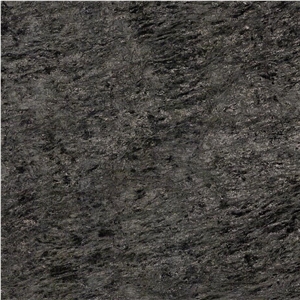
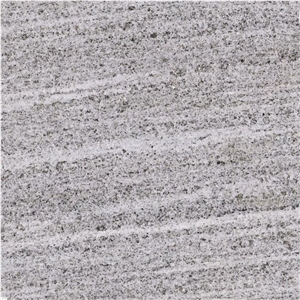
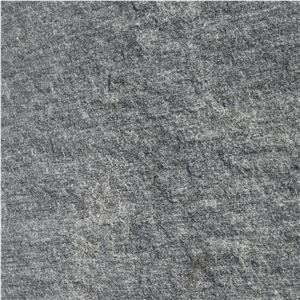
Maggia Wild Gneiss is a kind of dark grey gneiss quarried in Switzerland. This stone is especially good for Building stone,countertops, sinks, monuments, pool coping, sills, ornamental stone, interior, exterior, wall, floor , paving and other design projects. It also called Maggia Wild Quartzite,Wild Magia Gneis,Maggia Wild Granit,Maggia Oscuro . Maggia Wild Gneiss can be processed into Polished, Sawn Cut, Sanded, Rockfaced, Sandblasted, Tumbled and so on.

FAQ

Can Switzerland's Maggia Wild Gneiss be used in a kitchen?

Yes, Switzerlands Maggia Wild Gneiss can be used in a kitchen. Gneiss is a type of metamorphic rock that is known for its durability, strength, and resistance to heat and staining. It is commonly used as a countertop material in kitchens due to its ability to withstand the demands of daily kitchen activities. Additionally, the Maggia Wild Gneiss from Switzerland tends to have attractive natural colors and patterns, making it an aesthetically pleasing choice for kitchen countertops.

Can Switzerland's Maggia Wild Gneiss be used exterior applications in very humid climates?

Yes, Switzerlands Maggia Wild Gneiss can be used for exterior applications in very humid climates. Gneiss is a type of metamorphic rock that is known for its durable and hard nature, making it suitable for various outdoor uses. It has good resistance to weathering, erosion, and moisture, which makes it suitable for humid climates. However, it is always recommended to consult with a local expert or professional to ensure that the specific type and quality of the gneiss being considered is suitable for the intended use and climate conditions.

How thick is Switzerland's Maggia Wild Gneiss slabs?

The thickness of Switzerlands Maggia Wild Gneiss slabs can vary depending on the specific quarry and supplier. However, typical thicknesses range from 2 to 3 centimeters (0.8 to 1.2 inches) for interior applications such as countertops, and 3 to 5 centimeters (1.2 to 2 inches) for exterior applications such as paving or wall cladding. It is always recommended to check with the specific supplier for their available sizes and thickness options.

What is the coefficient of friction of Pickled Switzerland's Maggia Wild Gneiss tiles?

I couldnt find specific information about the coefficient of friction of Pickled Switzerlands Maggia Wild Gneiss tiles. The coefficient of friction can vary depending on various factors such as the finish, texture, and specific type of tile. It is best to contact the manufacturer or supplier of these tiles for accurate and detailed information regarding their coefficient of friction.

Can Switzerland's Maggia Wild Gneiss be used in floor coverings?

Yes, Switzerlands Maggia Wild Gneiss can be used in floor coverings. Gneiss is a type of metamorphic rock that is commonly used as a building material, including for flooring purposes. It has a unique and attractive appearance with its layered texture and various mineral grains, making it suitable for both indoor and outdoor floor coverings. Gneiss is known for its durability, resistance to wear and tear, and ability to withstand foot traffic, making it a popular choice for flooring applications.

Can Switzerland's Maggia Wild Gneiss be used outdoors?

Yes, Switzerlands Maggia Wild Gneiss can be used outdoors. Gneiss is a type of metamorphic rock that is formed under high temperatures and pressures, making it highly durable and suitable for outdoor applications. Its natural beauty, strength, and resistance to weathering make it a popular choice for various outdoor uses, including as paving stones, outdoor steps, wall cladding, and landscaping features. Additionally, gneiss is known for its non-slip properties, which makes it a safe option for outdoor surfaces.

Are there color variations of Switzerland's Maggia Wild Gneiss?

Yes, there are color variations of Switzerlands Maggia Wild Gneiss. Maggia Wild Gneiss is a natural stone that features a heterogeneous mixture of minerals, resulting in different colors and patterns. The most common color variations of Maggia Wild Gneiss are shades of gray, ranging from light gray to dark gray, with occasional streaks or patches of black and white. However, there can also be variations of reddish-brown, greenish-gray, and even bluish-gray depending on the mineral composition and geological processes.

What grade is Switzerland's Maggia Wild Gneiss?

Switzerlands Maggia Wild Gneiss is not classified according to a grade system commonly used in education. It is classified as a type of rock, specifically as a gneiss, which is a metamorphic rock formed from granite or other igneous rocks.

Is Switzerland's Maggia Wild Gneiss an expensive stone?

I do not have access to the current market prices of Maggia Wild Gneiss. However, the pricing of stones usually varies depending on factors such as rarity, location, accessibility, and quality. If the stone is rare and of high quality, it may be more expensive. Therefore, it is advisable to consult a stone dealer or expert for the current market prices of Maggia Wild Gneiss.

Products & Prices

Hot Grey Gneiss

New Gneiss

Post Your Request

The request includes:
  1. surface finished, size
  2. quantity required