Post Your Needs

Native Mountain Granite

Brown - Granite

Brazil

About

Item Details

Material Type:
Granite
Origin:
Brazil
Primary Color(s):
Brown
Recommended Usage:
kitchen and bathroom countertop, wash basins, building stone, ornamental stone, stairs, interior wall and floor applications, mosaic, water-jet pattern, wall panels, table tops, balustrades, columns, fireplaces, luxury furniture
Additional Names:
Native Brown Granite, Brown Mountain Granite, Mountain Brown Granite, Native Mountain, Native Mountain Granite
Finished Surface:
Polished,Flamed,Bush Hammered,Tumbled,Brushed,Honed,Split,Machine Cut,Natural Surface,Sandblasted,Acid Washing,Combed,Leathered,Water Jet,Chiseled,Pickling

Testing

Water Absorption:
0.2 - 0.45%
Density:
2670 - 2730 kg/m³
Flexural Strength:
15 - 17 MPa
Compressive Strength:
180 - 220 MPa
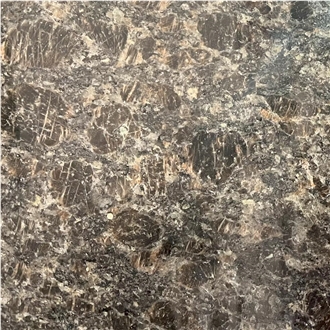
Stone texture:
a natural earthy palette of medium grey, brown, and dark mineral tones interspersed with black and white crystalline speckles that create a rugged and organic mountain-inspired appearance. Its overall look is bold yet balanced, with a consistent granular pattern and subtle tonal variations that reflect its natural geological formation rather than directional veining. The texture is medium- to coarse-grained and crystalline, with a dense igneous structure typical of granite, ensuring excellent durability, high compressive strength, and strong resistance to weathering

Description

Native Mountain Granite is an igneous rock characterized by a natural earthy palette with medium grey, brown, and dark mineral tones. It includes black and white crystalline speckles, creating a rugged, organic, mountain-inspired appearance. Its texture is medium- to coarse-grained and crystalline with a consistent granular pattern, avoiding directional veining. This bold yet balanced look reflects its geological origins and provides durability.

Physical and Mechanical Properties:

  • Water Absorption: Typically low, around 0.2%-0.45%, contributing to its resistance to staining and moisture damage.
  • Density: Approximately 2,670 - 2,730 kg/m³, indicating a compact, dense structure.
  • Flexural Strength: Generally ranges from 15 to 17 MPa, providing good resistance to bending forces.
  • Compressive Strength: Around 180 - 220 MPa, highlighting its ability to withstand substantial loads without deforming.
  • Hardness: Granite typically features a Mohs hardness of 6-7, indicating significant scratch resistance.
  • Porosity: Low porosity, usually below 1%, contributing to its durability and resistance to weathering.
  • Slip Resistance: Varies by finish but generally provides moderate to high slip resistance, important for flooring applications.

Chemical and Mineral Composition:

Native Mountain Granite is composed of various minerals, typically including:

  • Quartz: 20-40%
  • Feldspar (Alkali Feldspar and Plagioclase): 40-60%
  • Biotite and/or Muscovite: 5-15%
  • Hornblende or Other Dark Minerals: 5-10%
  • Accessory Minerals (including Magnetite, Zircon): <5%

Usage:

  • Interior Applications: Kitchen countertops, bathroom vanities, flooring, walls, staircases.
  • Exterior Applications: Facades, cladding, outdoor flooring, monuments, and garden features.
  • Commercial Applications: Reception desks, tabletops, and in hotels or office buildings for aesthetic and functional purposes.

Maintenance:

  • Regular cleaning with mild soap and water.
  • Periodic sealing recommended to maintain appearance and resistance to stains.
  • Avoid acidic or abrasive cleaners that could damage the surface.

Surface Finish Options:

  • Polished: Highly reflective, enhancing the stone’s natural colors and patterns.
  • Honed: Smooth, matte finish suitable for indoor spaces needing a subtler look.
  • Flamed: Textured finish achieved by high-temperature treatment, ideal for slip resistance in outdoor settings.
  • Brushed and Leathered: Soft, textured surfaces that enhance the stone’s color and are suitable for a variety of applications.

Native Mountain Granite excels in architectural and design applications due to its robust mechanical properties, appealing appearance, and wide finish options, making it a versatile choice for both residential and commercial projects. Its inherent characteristics necessitate minimal maintenance while providing long-term durability and aesthetic appeal.

FAQ

Can Brazil's Native Mountain Granite be used indoors?

Yes, Brazils Native Mountain Granite can be used indoors. Granite is a popular choice for indoor applications such as countertops, vanities, flooring, and wall cladding due to its durability, aesthetic appeal, and wide range of color options. Native Mountain Granite from Brazil is known for its unique combination of colors and patterns, making it a sought-after choice for interior design projects.

Can Brazil's Native Mountain Granite be used in a bathroom?

Yes, Brazils native mountain granite can definitely be used in a bathroom. Granite is a highly durable and heat-resistant natural stone that is commonly used in bathrooms for various applications such as countertops, vanities, showers, and flooring. It is resistant to water, stains, and scratches, making it an ideal material for bathroom use. Additionally, the unique patterns and colors found in Brazils native mountain granite can add a beautiful and luxurious touch to any bathroom design.

Can Brazil's Native Mountain Granite be used exterior applications in very rainy climates?

Yes, Brazils Native Mountain Granite can be used for exterior applications in very rainy climates. Granite is a highly durable and dense natural stone that is not easily affected by water or rain. It is known for its resistance to moisture, stains, and extreme weather conditions. Therefore, it is a suitable choice for outdoor spaces in areas with high rainfall. However, it is always recommended to seal the granite to further enhance its water resistance and protect it from potential water damage.

What is the coefficient of friction of Leathered Brazil's Native Mountain Granite tiles?

The coefficient of friction of Leathered Brazils Native Mountain Granite tiles can vary depending on various factors such as surface finish, tile thickness, and the presence of any sealants. However, on average, the coefficient of friction for such tiles can range from 0.6 to 0.8. It is always recommended to consult the specific manufacturer or supplier for exact information regarding the coefficient of friction for a particular product.

Can Brazil's Native Mountain Granite be used in floor coverings?

Yes, Brazils Native Mountain Granite can be used in floor coverings. Granite is a durable and versatile material commonly used in flooring due to its strength, hardness, and resistance to wear and tear. It is suitable for both indoor and outdoor applications, including flooring. When polished, granite can be a beautiful and stylish choice for floor coverings, providing a natural and elegant look to any space.

How thick is Brazil's Native Mountain Granite slabs?

The thickness of Brazils Native Mountain Granite slabs can vary depending on the specific quarry and supplier. However, in general, granite slabs are commonly available in thicknesses of 2 centimeters (approximately 0.8 inches) and 3 centimeters (approximately 1.2 inches).

Are there color variations of Brazil's Native Mountain Granite?

Yes, there are color variations of Brazils Native Mountain Granite. The granite typically features a base color of black or dark gray, but it can also have variations of white, beige, brown, or even green in some cases. The specific color variations can depend on the particular quarry and region where the granite is found in Brazil. Additionally, the presence of different minerals and the intensity of veining can also contribute to the color variations in Native Mountain Granite. Overall, the color variations add to the aesthetic appeal and versatility of this granite for various applications in construction and interior design.

Is Brazil's Native Mountain Granite an expensive stone?

I do not have access to real-time pricing information on specific products such as Brazilian Native Mountain Granite. However, prices can vary depending on various factors such as quality, availability, and demand. It is best to consult with a local supplier or a stone specialist to determine the current market price for this specific stone.

Products & Prices

Hot Brown Granite

New Granite

Post Your Request

The request includes:
  1. surface finished, size
  2. quantity required