Post Your Needs

Noronha Waves Quartzite

Quartzite

Brazil

About

Item Details

Material Type:
Quartzite
Origin:
Brazil
Recommended Usage:
Kitchen and bathroom countertops, wash basins, building stone, ornamental stone, stairs, interior, exterior wall and floor applications, mosaic, waterjet pattern, wall panels, table tops, balustrades, columns, wall and pool copings, pool pavers, sculptures, fireplaces, window sills
Additional Names:
Quarzito Noronha Waves, in China stone market:诺隆哈波纹石英岩 (Nuòlónghā Bōwěn Shíyīng)
Finished Surface:
Polished,Bush Hammered,Tumbled,Brushed,Honed,Split,Machine Cut,Natural Surface,Sandblasted,Combed,Leathered,Water Jet,Filled,Chiseled,Pickling

Testing

Water Absorption:
0.10–0.30 % by weight
Density:
2670–2700 kg/m³
Flexural Strength:
17–23 MPa
Compressive Strength:
200–230 MPa

Description

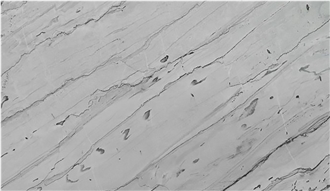
Noronha Waves Quartzite is a captivating natural quartzite quarried in Brazil, celebrated for its fluid, wave-like patterns that evoke the rhythmic motion of ocean swells. The stone exhibits a light gray to off-white base color, overlaid with dynamic, undulating veins of darker gray and subtle black. These veins flow organically across the surface, creating a sense of movement and depth, reminiscent of the ebb and flow of waves. When polished, the stone’s natural luster is enhanced, highlighting the contrast between the soft, luminous background and the bold, sinuous veining, making it an elegant choice for both contemporary and classic design schemes.

Texture & Pattern

Texture: Dense, hard, and crystalline, typical of high-quality quartzite.

Pattern: Undulating, wave-like veins create a natural rhythm and movement across the slab. Each slab is unique, with organic flow and subtle tonal variations.

Physical and Mechanical Test Results (Approximate)

  • Apparent Density: 2.67–2.70 g/cm³
  • Water Absorption: 0.10–0.30 % by weight
  • Compressive Strength: 200–230 MPa
  • Flexural Strength: 17–23 MPa
  • Abrasion Resistance: 18–22 mm
  • Impact Resistance: 45–60 cm
  • Frost Resistance: Excellent; suitable for exterior use
  • Hardness: Mohs 6.5–7.0 – highly resistant to scratching and suitable for heavy-use areas

Chemical Composition (% by weight)

  • Silicon Dioxide (SiO₂): 92–96 %
  • Aluminum Oxide (Al₂O₃): 1–3 %
  • Iron Oxide (Fe₂O₃): 0.2–0.8 %
  • Calcium Oxide (CaO): 0.1–0.5 %
  • Potassium Oxide (K₂O): 0.2–0.6 %
  • Trace minerals: <1 %

Mineralogical Composition (% by weight)

  • Quartz: 90–95 %
  • Feldspar: 2–5 %
  • Mica (Muscovite/Biotite): 0.5–2 %
  • Trace iron-bearing minerals: <1 %

Usage

Noronha Waves Quartzite is ideal for both interior and exterior applications, especially where a flowing, elegant aesthetic is desired:

  • Kitchen countertops and islands
  • Bathroom vanities
  • Feature walls, fireplace surrounds, and staircases
  • Flooring and decorative panels
  • Exterior cladding and landscaping (frost-safe areas)

Maintenance

  • Clean with pH-neutral stone cleaners; avoid acidic or abrasive chemicals
  • Periodic sealing recommended to maintain polish and prevent staining
  • Gentle wiping preserves the natural shine and highlights veining

Surface Finish Options

  • Polished: Enhances the natural luster and the contrast between background and veins
  • Honed: Smooth matte finish for understated elegance
  • Leathered / Brushed: Soft texture accentuating the organic wave patterns
  • Sandblasted: Slip-resistant finish for exterior and high-traffic areas

With its soft gray base, flowing dark veins, and crystalline durability, Noronha Waves Quartzite combines visual elegance with structural strength, making it an ideal choice for statement interiors, luxury projects, and architectural elements. Its wave-inspired pattern brings a sense of motion and sophistication to any space.

FAQ

How can I clean the grout of Noronha Waves Quartzite wall tiles?

Cleaning the grout of Noronha Waves Quartzite wall tiles requires careful handling to avoid damaging the surface or the grout itself. Here’s a step-by-step guide to help you clean it effectively: 1. **Gather Supplies:** - Soft-bristled brush or toothbrush - Clean microfiber cloths or sponges - Mild detergent or stone-specific cleaner - Baking soda (optional) - Vinegar (cautiously used, as quartzite can sometimes react negatively to acids) - pH-neutral grout cleaner (optional) - Warm water - Spray bottle 2. **Preparation:** - Remove any loose dirt or dust with a dry microfiber cloth. - Ensure the area is well-ventilated. 3. **Create a Cleaning Solution:** - Mix a few drops of mild detergent or a stone-specific cleaner with warm water. - Test any cleaning solution on a small, inconspicuous area first to ensure it does not damage the surface. 4. **Cleaning the Grout:** - Dip the soft-bristled brush into the cleaning solution and gently scrub the grout lines. - Avoid using hard-bristled brushes or steel wool, as these can scratch the quartzite. - If deeper stains are present, make a paste using baking soda and water, apply it to the stained grout, and let it sit for about 10-15 minutes before scrubbing. 5. **Rinsing:** - Wipe the area with a damp microfiber cloth to remove any residue from the cleaning solution or baking soda. - Follow up with a clean, dry cloth to ensure that the surface is completely dry, preventing water spots or streaking. 6. **Stubborn Stains:** - For stubborn grout stains, use a pH-neutral grout cleaner that is safe for natural stone. - Carefully follow the instructions on the product and ensure thorough rinsing after use. 7. **Optional Vinegar Use:** - While vinegar is often used for cleaning grout, it is acidic and can potentially damage quartzite. If you choose to use vinegar, dilute it heavily with water (1 part vinegar to 3 parts water) and use it sparingly. Rinse thoroughly immediately after use to prevent any damage. 8. **Sealing:** - Consider applying a stone sealer to the quartzite and grout after cleaning, following the manufacturers instructions. This can help protect the surface from stains and make future cleaning easier. 9. **Regular Maintenance:** - Regularly wipe down the tiles to prevent the buildup of dirt and grime. - Avoid harsh chemicals and abrasive cleaning tools to maintain the integrity and appearance of the quartzite. Always consult any care guidelines provided by the manufacturer of your quartzite tiles, as they may have specific recommendations for cleaning and maintenance.
Does Noronha Waves Quartzite crack easily?

Noronha Waves Quartzite is a durable and hard natural stone, often used for countertops, flooring, and other surfaces. Quartzite, in general, is known for its strength and resistance to scratching and chipping. However, its susceptibility to cracking can depend on several factors, including the quality of the installation, the support provided underneath the stone, and how it is used or abused. While quartzite is generally resistant to cracking under normal use, its important to ensure proper installation and avoid excessive force or impact that could potentially lead to cracks. Additionally, maintaining proper sealing and avoiding exposure to extreme temperature changes can help preserve its integrity. Its always best to consult with a professional installer to ensure that it is properly supported and maintained to prevent any potential issues.

Can 2cm thickness Noronha Waves Quartzite be used for stair steps?

Yes, 2 cm thickness Noronha Waves Quartzite can be used for stair steps. Quartzite is a durable and hard natural stone, making it suitable for high-traffic areas like stairs. A thickness of 2 cm is generally acceptable for residential stair treads; however, it is essential to ensure proper support and installation techniques to maintain safety and structural integrity. Consider the following factors when using 2 cm thick quartzite for stairs: 1. **Support:** Ensure that the substrate and the installation method provide adequate support to prevent flexing or cracking of the stone. 2. **Slip Resistance:** Since stairs are potential slip hazards, consider finishing the surface of the quartzite to enhance its slip resistance, especially in wet conditions. 3. **Edge Treatment:** Proper edge finishing can enhance both aesthetics and safety, reducing the risk of chipping or injury. 4. **Building Codes:** Always check local building codes and regulations to ensure compliance with thickness, tread depth, and riser height requirements. Consult with a professional stone installer to evaluate your specific conditions and ensure a safe and successful installation.

Can Noronha Waves Quartzite be used in a steam room? How does moisture and heat affect the tile surface?

Noronha Waves Quartzite can potentially be used in a steam room, but there are several factors to consider before making a decision. Quartzite is a natural stone that is known for its durability and resistance to heat and moisture, which makes it generally suitable for use in steam rooms. However, there are a few considerations: 1. **Sealing**: Quartzite is less porous than some other natural stones, but it can still absorb moisture if left unsealed. Applying a high-quality stone sealer will help protect the tiles from moisture penetration, staining, and potential damage. Regular resealing may be necessary to maintain the surfaces protective barrier. 2. **Surface Finish**: The finish of the quartzite can affect its performance in a steam room. A honed finish might be preferable over a polished finish, as honed surfaces tend to be less slippery when wet. Additionally, finishes can change the aesthetic and tactile experience in a steam room. 3. **Thermal Shock**: While quartzite is resistant to heat, rapid and extreme changes in temperature can cause stress to the material. Ensuring that the steam room doesnt experience drastic temperature fluctuations can help prevent potential issues. 4. **Maintenance**: Regular cleaning and maintenance are essential to prevent mold and mildew, which can thrive in the damp environment of a steam room. Quartzite is fairly easy to clean, but acidic or abrasive cleaners should be avoided to prevent surface damage. 5. **Professional Advice**: Consult with a professional installer or a stone specialist to ensure that Noronha Waves Quartzite is appropriate for your specific application and environment. They can offer tailored advice on installation techniques and sealing products that work best with your stone choice. In conclusion, with the proper sealing, installation, and maintenance, Noronha Waves Quartzite can be a suitable and beautiful choice for a steam room environment.

Can I use Noronha Waves Quartzite as a fireplace hearth? Is it resistant to heat?

Noronha Waves Quartzite can be a suitable material for a fireplace hearth. Quartzite is generally known for its durability, hardness, and resistance to heat, making it a good choice for such applications. It is less likely to crack or get damaged under high temperatures compared to some other natural stones. However, it is essential to ensure that the specific slab of Noronha Waves Quartzite you plan to use is appropriate for your specific application, as natural stones can have variations in composition and integrity. Before using it as a fireplace hearth, its recommended to: 1. Consult with a professional stone installer or supplier to ensure suitability. 2. Verify that the stone is adequately sealed to protect against stains and potential discoloration from soot or ash. 3. Consider the structural support needed for the weight of the stone. By taking these precautions, you can help ensure that your quartzite hearth remains both functional and visually appealing over time.

Is Noronha Waves Quartzite a suitable choice for facade?

Noronha Waves Quartzite can be a suitable choice for a facade, depending on a number of factors. Quartzite is known for its durability, resistance to weathering, and aesthetic appeal, which are important qualities for a facade material. Here are a few points to consider: 1. **Durability**: Quartzite is a hard, metamorphic rock that is highly resistant to damage and erosion. This makes it an excellent choice for exterior applications like facades where weather exposure is a concern. 2. **Aesthetics**: Noronha Waves Quartzite features a unique pattern and color that can enhance the visual appeal of a building. Its distinctive waves and colors can add a natural, elegant look to the facade. 3. **Maintenance**: Quartzite requires relatively low maintenance compared to other natural stones. It is less prone to etching or staining, which can be beneficial for an exterior application. 4. **Cost**: Quartzite can be more expensive than other materials. Its important to factor in budget constraints and compare costs with other potential materials. 5. **Climate Considerations**: Ensure that Noronha Waves Quartzite can withstand the local climate conditions, such as extreme temperatures or moisture levels. 6. **Installation**: Professional installation is critical to ensure the material is properly secured and sealed, which will enhance its longevity and performance. Always consult with an architect or a professional in the stone industry to ensure that Noronha Waves Quartzite is the right fit for your specific project needs and conditions.

Products & Prices

Hot Quartzite

New Quartzite

Post Your Request

The request includes:
  1. surface finished, size
  2. quantity required

