Post Your Needs

Silverstone Quartzite

Quartzite

Brazil

About

Item Details

Material Type:
Quartzite
Origin:
Brazil
Recommended Usage:
kitchen and bathroom countertop, wash basins, building stone, ornamental stone, stairs, interior wall and floor applications, mosaic, water-jet pattern, wall panels, table tops, balustrades, columns, fireplaces, luxury furniture
Additional Names:
Silverstone
Finished Surface:
Polished,Bush Hammered,Tumbled,Brushed,Honed,Split,Machine Cut,Natural Surface,Sandblasted,Combed,Leathered,Water Jet,Chiseled,Pickling

Testing

Water Absorption:
0.15 - 0.35%
Density:
2660 - 2710 kg/m³
Flexural Strength:
13 -15 MPa
Compressive Strength:
150 - 160 MPa

Description

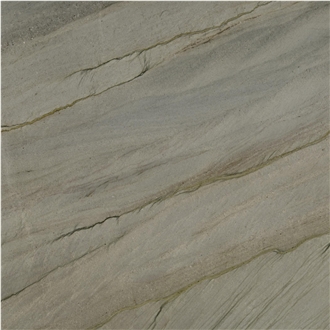
Silverstone Quartzite is a distinctive Brazilian natural quartzite recognized for its rugged brecciated appearance and sophisticated earthy color palette. Unlike traditional quartzites with uniform veining, Silverstone Quartzite displays a dramatic conglomerate-style structure composed of large angular mineral fragments in shades of light grey, creamy white, and pale beige tightly compacted within a finer-grained matrix. The matrix often contains sandy crystalline textures enriched with subtle tan, light brown, and rusty-orange mineral accents, creating a striking mosaic or terrazzo-like visual effect with strong natural depth and movement.

Texture & Pattern: Coarse-grained brecciated quartzite with a dense metamorphic structure. The stone features large flat crystal fragments and irregular mineral clasts embedded within a lighter crystalline matrix, creating high visual contrast and an organic fragmented pattern. Its surface texture varies from smooth crystalline areas to subtly rugged mineral transitions, enhancing its natural architectural character.

Mineralogical Composition (% by weight):

  • Quartz (SiO₂): 82–92%
  • Feldspar: 3–8%
  • Mica & accessory minerals: 3–8%

Chemical Composition (% by weight):

  • SiO₂: 82–92%
  • Al₂O₃: 2–5%
  • Fe₂O₃: 0.5–3%
  • Trace oxides (K₂O, Na₂O, CaO): <3%

Physical & Mechanical Properties:

  • Apparent Density: 2.66–2.71 g/cm³
  • Water Absorption: 0.15–0.35%
  • Compressive Strength: 150–160 MPa
  • Flexural Strength: 13–15 MPa
  • Mohs Hardness: 6.5–7
  • Abrasion Resistance: High

Surface Finish Options: Polished, honed, leathered, brushed, sandblasted, flamed, and machine-cut finishes. Polished surfaces enhance crystalline depth and contrast, while leathered and brushed finishes emphasize the stone’s rugged natural texture.

Applications: Luxury flooring, wall cladding, countertops, kitchen islands, staircases, fireplace surrounds, hotel lobbies, feature walls, commercial interiors, and exterior architectural projects.

Maintenance: Low porosity quartzite requiring periodic sealing for stain resistance. Clean using pH-neutral stone cleaners and avoid acidic or abrasive products to preserve surface integrity and natural coloration.

FAQ

Can 18 mm Silverstone Quartzite be used for kitchen countertop?

Yes, 18 mm Silverstone Quartzite can be used for a kitchen countertop. Quartzite is a natural stone that is known for its durability, hardness, and resistance to heat, making it an excellent choice for kitchen countertops. However, since 18 mm (approximately 0.7 inches) is thinner than the more commonly used thicknesses for countertops (such as 20 mm or 30 mm), it may require additional support or substrate to ensure stability and prevent breakage. It is important to consult with a professional fabricator or installer to ensure proper support and installation, including any necessary bracing or reinforcement. Additionally, sealing the quartzite can help protect against staining and maintain its appearance over time.

How can I repair the scratched surface of the Silverstone Quartzite countertop?

Repairing scratches on a Silverstone Quartzite countertop requires a careful approach to ensure the surface is restored without causing further damage. Here’s how you can address this issue: 1. **Assess the Damage**: Determine the depth and severity of the scratch. Superficial scratches may require less intensive treatment compared to deeper ones. 2. **Clean the Surface**: Use a mild dish soap and warm water to clean the scratched area. Ensure the surface is free of any debris or dust which could cause more scratches during the repair process. Dry the area thoroughly with a soft cloth. 3. **Minor Scratches**: - **Polishing Paste**: For light scratches, you can use a stone polishing paste. Apply the paste to the scratch using a soft cloth and rub gently in a circular motion. Follow the specific product instructions for best results. - **Buffing**: Use a white buffing pad or a soft cotton cloth to buff the area in circular motions until the scratch diminishes. 4. **Deeper Scratches**: - **Sanding**: If the scratch is deeper, you might need to use a fine-grit sandpaper (at least 400 to 600 grit). Lightly sand the scratch in the direction of the natural grain of the stone. Be cautious to avoid sanding too much or making the scratch larger. - **Refinishing**: After sanding, you’ll need to refinish the area. Use a polishing compound designed for quartzite and a polishing pad to restore the shine. 5. **Seal the Surface**: Once the scratch is repaired, it’s a good idea to seal the quartzite countertop to protect against future damage. Apply a stone sealant according to the products instructions and allow it to cure fully. 6. **Consult a Professional**: If you’re unsure about the process or if the scratches are extensive, it might be best to consult or hire a professional stone restoration service to avoid causing additional damage. 7. **Maintenance Tips**: - Always use cutting boards and trivets to prevent new scratches from forming. - Clean up spills immediately to prevent staining. - Use non-abrasive cleaning products to maintain the finish. By following these steps, you should be able to minimize or eliminate scratches on your Silverstone Quartzite countertop.

Is Silverstone Quartzite with a leathered surface good for interior flooring?

Silverstone Quartzite with a leathered surface can be a great choice for interior flooring, depending on the specific needs and preferences for your space. Here are some factors to consider: 1. **Durability**: Quartzite is a very hard and durable natural stone, making it suitable for areas with high foot traffic. It is more resilient to scratches and etching compared to softer stones like marble. 2. **Aesthetics**: The leathered surface of quartzite provides a unique texture and matte finish, which can add character and a contemporary look to your flooring. It also tends to highlight the stones natural patterns and colors more effectively than a polished finish. 3. **Maintenance**: Leathered quartzite is generally less slippery than polished stone, which can be an advantage for flooring. However, like all natural stones, it requires sealing to protect against stains. Regular cleaning with a mild detergent and resealing every one to two years is recommended to maintain its appearance. 4. **Cost**: Quartzite tends to be more expensive than some other flooring options like ceramic tile or laminate, but its durability and aesthetic appeal might justify the cost. 5. **Comfort**: As a natural stone, quartzite can feel cold underfoot, which may be a consideration depending on your climate and personal preferences. Overall, Silverstone Quartzite with a leathered surface can be an excellent choice for interior flooring due to its durability, unique appearance, and relatively low maintenance requirements. However, it is important to consider the specific conditions and usage of your space before making a decision.

Is Silverstone Quartzite a suitable choice for facade?

When considering Silverstone Quartzite for a fa?ade, there are several factors to evaluate to determine its suitability: 1. **Durability**: Quartzite is known for its strength and durability, making it a suitable choice for exterior cladding. It is highly resistant to weathering, scratching, and heavy wear. 2. **Aesthetic Appeal**: Silverstone Quartzite typically has a refined, sophisticated appearance with its silvery tones and varying textures, which can add elegance and a modern touch to a building fa?ade. 3. **Maintenance**: Quartzite generally requires minimal maintenance, which is a benefit for exterior applications. Regular cleaning and occasional sealing may be needed to maintain its appearance and performance. 4. **Resistance to Elements**: Quartzite is resistant to UV radiation, which prevents it from fading over time. It is also generally resistant to heat and moisture, important considerations for a building exterior. 5. **Installation**: Proper installation is crucial to ensuring the longevity and performance of quartzite on a fa?ade. It requires skilled labor to ensure the stability and aesthetic quality of the installation. 6. **Cost**: While quartzite can be more expensive than other materials like concrete or limestone, its durability and aesthetic appeal can justify the investment. 7. **Environmental Considerations**: If sustainability is a concern, it is important to consider the sourcing and transportation of the material, as natural stones are often quarried from specific locations. In summary, Silverstone Quartzite can be an excellent choice for a fa?ade if its characteristics align with the project’s aesthetic and functional requirements. Consulting with architects and construction professionals can provide more tailored advice based on specific project needs.

Do fruit juices stain the surface of Silverstone Quartzite kitchen countertop?

Silverstone Quartzite is a durable natural stone that is generally resistant to staining, scratching, and heat. However, like any natural stone surface, it is not completely impervious to staining. Fruit juices contain acids and natural pigments that can potentially stain if left on the surface for an extended period. To minimize the risk of staining, its important to clean up spills promptly and use a mild detergent or stone cleaner. Sealing the countertop regularly with a high-quality sealer can also help protect the surface from potential stains by reducing its porosity. Always refer to the specific care and maintenance guidelines provided by the manufacturer or installer for the best results.

What type of abrasive should be used to honed the Silverstone Quartzite surface?

When honing a Silverstone Quartzite surface, it is important to use the appropriate type of abrasive to achieve the desired finish and prevent damage to the stone. Typically, diamond abrasives are recommended for such tasks. Here are some guidelines: 1. **Diamond Pads**: Use diamond-impregnated pads or discs, which are available in a range of grits. Start with a coarser grit if the surface has significant imperfections or if you need to remove existing polish, and gradually move to finer grits to achieve a honed finish. 2. **Grit Sequence**: Begin with a lower grit, such as 50 or 100, depending on the initial condition of the surface, and progressively move up through 200, 400, and possibly 800 grits. The precise sequence and finishing grit depend on the level of honing desired and the specific characteristics of the quartzite. 3. **Wet Process**: Conduct the honing process under wet conditions to minimize dust and optimize the lifespan of the diamond abrasives while preventing heat build-up that could damage the stone. 4. **Professional Equipment**: Use a variable-speed polisher or grinder to ensure control over the abrasion process and to achieve an even finish across the surface. 5. **Test Area**: Always perform a patch test in an inconspicuous area to ensure that the chosen method produces the desired finish without damaging the stone. By following these guidelines, you can effectively hone Silverstone Quartzite surfaces to a smooth, low-sheen finish while preserving the integrity of the stone.

Products & Prices

Hot Quartzite

New Quartzite

Post Your Request

The request includes:
  1. surface finished, size
  2. quantity required