Post Your Needs

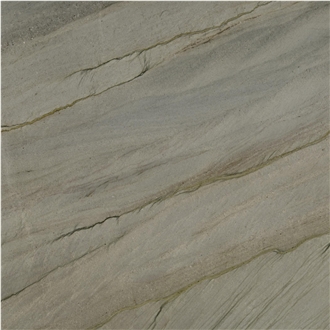
Soho Brown Quartzite

Quartzite

Brazil

About

Item Details

Material Type:
Quartzite
Origin:
Brazil
Recommended Usage:
kitchen and bathroom countertop, wash basins, building stone, ornamental stone, stairs, interior wall and floor applications, mosaic, water-jet pattern, wall panels, table tops, balustrades, columns, fireplaces, luxury furniture
Additional Names:
Brown Wooden Quartzite
Finished Surface:
Polished,Bush Hammered,Tumbled,Brushed,Honed,Split,Machine Cut,Natural Surface,Sandblasted,Combed,Leathered,Water Jet,Chiseled,Pickling

Testing

Water Absorption:
0.1 - 0.3%
Density:
2660 - 2700 kg/m³
Flexural Strength:
13 - 16 MPa
Compressive Strength:
150 - 170 MPa

Description

Soho Brown Quartzite is an elegant Brazilian natural quartzite characterized by a warm ivory to creamy beige base, delicately interwoven with soft flowing veins in brown, taupe, and light beige tones. Its overall appearance is refined and harmonious, offering a subtle contrast that creates depth and sophistication without overpowering visual intensity. The stone is widely appreciated for its calm, neutral aesthetic suitable for both modern and classic architectural designs.

Texture & Pattern: Fine- to medium-grained crystalline quartzite with a dense metamorphic structure. The pattern is soft and fluid, featuring gently flowing veins and cloud-like mineral movement across the surface. The veining is understated and organic, producing a consistent yet naturally varied appearance.

Mineralogical Composition (% by weight):

  • Quartz (SiO₂): 88–95%
  • Feldspar: 2–6%
  • Mica & accessory minerals: 1–5%

Chemical Composition (% by weight):

  • SiO₂: 88–95%
  • Al₂O₃: 1–3%
  • Fe₂O₃: 0.2–1.2%
  • Trace oxides (K₂O, Na₂O, CaO): <2%

Physical & Mechanical Properties:

  • Compressive Strength: 150–170 MPa
  • Flexural Strength: 13–16 MPa
  • Water Absorption: 0.1–0.3%
  • Mohs Hardness: 7
  • Density: 2.66–2.70 g/cm³

Applications: Flooring, wall cladding, kitchen countertops, bathroom vanities, staircases, fireplace surrounds, hotel lobbies, feature walls, and residential or commercial interiors.

Maintenance: Low porosity quartzite requiring periodic sealing for stain protection; clean with pH-neutral stone cleaners and avoid acidic or abrasive chemicals to preserve surface quality.

Surface Finish Options: Polished, honed, leathered, brushed, sandblasted, tumbled, flamed, waterjet-cut designs, and machine-cut finishes.

FAQ

Does Soho Brown Quartzite kitchen countertop scratch easily?

Soho Brown Quartzite is known for being a durable and hard natural stone, making it a good choice for kitchen countertops. Its more resistant to scratching compared to softer stones such as marble. However, like any natural stone, it can still be scratched if exposed to sharp or heavy objects. To maintain its appearance, its recommended to use cutting boards, avoid dragging heavy or sharp items across the surface, and take care with heavy impacts. Additionally, quartzite should be properly sealed to protect against staining and to help maintain its scratch resistance.

Can 1cm thick Soho Brown Quartzite be used as a kitchen cutting board?

Using 1cm thick Soho Brown Quartzite as a kitchen cutting board is not recommended for several reasons: 1. **Durability**: While quartzite is a very hard material, using it as a cutting board could lead to damage over time. Quartzite can chip or crack if subjected to repeated knife impacts, especially at just 1cm thickness. 2. **Surface Wear**: Cutting directly on quartzite could dull your knives quickly. Quartzite’s hardness is similar to that of the metal used in most knives, which may cause your knives to lose their edge faster than when used on traditional cutting boards. 3. **Sanitation**: Stone surfaces can be more challenging to sanitize effectively, especially if they develop scratches or very small chips where bacteria could accumulate. 4. **Heaviness**: At 1cm thick, a quartzite slab could still be quite heavy and cumbersome to handle as a cutting board. 5. **Expense**: Quartzite is generally more expensive than materials traditionally used for cutting boards, such as wood or plastic. Using it as a cutting surface may not be cost-effective. For these reasons, it would be more practical to use a traditional cutting board made of wood, bamboo, or plastic to protect your knives and ensure ease of use and sanitation.

If I use 1.2 cm thick Soho Brown Quartzite as a table top, will it be strong enough? Will it break easily?

Using 1.2 cm (approximately 0.47 inches) thick Soho Brown Quartzite as a tabletop can be quite elegant, but there are several factors to consider regarding its strength and durability. 1. **Material Properties**: Quartzite is a metamorphic rock known for its hardness and durability, often offering a good balance between beauty and strength. However, at 1.2 cm thick, it is relatively thin for a stone slab when used as a horizontal surface with expected loads. 2. **Support Structure**: The strength of the quartzite tabletop will heavily depend on the support structure underneath. If the quartzite is well-supported, with adequate framing or a solid substrate beneath it, the load is distributed more evenly, reducing the risk of cracking or breaking. 3. **Load and Usage**: Consider how the table will be used. For heavy loads, a thicker slab might be more appropriate. If the table is primarily for decorative purposes and not subject to heavy use or weight, 1.2 cm might suffice with proper support. 4. **Span and Size**: The larger the unsupported span, the higher the risk of flexing and potential breakage. Ensure that supports are placed adequately to minimize unsupported spans, particularly in the center. 5. **Edge Treatment**: A thicker edge profile can be created by laminating an edge to the visible sides, which may provide additional strength and visual heft without requiring a thicker slab for the entire piece. 6. **Professional Assessment**: Consulting with a stone fabricator or structural engineer can help assess specific requirements for your project, especially concerning the expected load and intended use. In summary, while 1.2 cm thick quartzite can be strong with proper support, additional considerations like the structure, use, and span are crucial to ensure it wont break easily. If in doubt, personal consultation with professionals for your specific application is advised.

Can I use bleach when cleaning a Soho Brown Quartzite kitchen countertop?

Using bleach on Soho Brown Quartzite countertops is not recommended. Quartzite is a natural stone and can be sensitive to harsh chemicals like bleach, which might cause discoloration or damage to the surface over time. Instead, its best to clean quartzite countertops with a mild dish soap and warm water solution. For regular maintenance, you can also use a stone cleaner specifically designed for natural stones. Always ensure that the cleaner is pH-neutral to maintain the integrity and appearance of your stone countertops. Additionally, its a good idea to seal quartzite periodically, as directed by your countertop manufacturer or installer, to provide extra protection against stains and spills.

If I cut meat directly on my Soho Brown Quartzite kitchen countertop, will it damage the surface?

Using a Soho Brown Quartzite countertop for cutting meat directly is not recommended. While quartzite is a very hard and durable natural stone, cutting directly on the surface can potentially cause scratches or dull its polished finish over time. Additionally, using knives on the stone surface can also dull the knifes edge more quickly. To preserve the beauty and longevity of your quartzite countertop, its best to use a cutting board for food preparation. This will protect your countertop from potential scratches, stains, and etching, ensuring it remains in excellent condition.

How can I clean the grout of Soho Brown Quartzite wall tiles?

Cleaning the grout of Soho Brown Quartzite wall tiles requires a gentle approach to ensure both the grout and the quartzite remain in good condition. Heres a step-by-step guide: 1. **Gather Supplies:** - pH-neutral stone cleaner or mild dish soap - Soft-bristle brush or old toothbrush - Spray bottle - Microfiber cloth or sponge - Warm water - Baking soda and hydrogen peroxide (for stubborn stains) 2. **Prepare Cleaning Solution:** - Mix a small amount of pH-neutral stone cleaner or mild dish soap with warm water in a spray bottle. 3. **Apply Solution:** - Spray the cleaning solution onto the grout lines. Be generous, ensuring the grout is well saturated. 4. **Scrub the Grout:** - Use a soft-bristle brush or an old toothbrush to gently scrub the grout lines. Avoid using a hard-bristle brush to prevent scratching the quartzite. 5. **Rinse the Area:** - Wipe the area with a damp microfiber cloth or sponge to remove any residues of the cleaning solution. 6. **Dry the Surface:** - Pat the surface dry with a clean microfiber cloth to prevent water spots on the quartzite. 7. **Tackle Stubborn Stains:** - If stains persist, make a paste of baking soda and hydrogen peroxide. Apply it to the stained grout areas and let it sit for about 15-20 minutes. - Gently scrub the paste with the soft-bristle brush and rinse thoroughly with water. - Dry the surface to check if the stains have lifted. 8. **Seal the Grout (Optional):** - After cleaning, consider applying a grout sealer to protect the grout from future stains and make maintenance easier. 9. **Regular Maintenance:** - Regularly clean the tiles and grout using mild cleaners and avoid harsh chemicals that might damage the stone. Always test any cleaner on a small, inconspicuous area first to ensure it does not damage the quartzite. Avoid acidic or abrasive cleaners, as they can degrade both the grout and stone.

Products & Prices

Hot Quartzite

New Quartzite

Post Your Request

The request includes:
  1. surface finished, size
  2. quantity required