Post Your Needs

Tellus Quartzite

Quartzite

Brazil

About

Item Details

Material Type:
Quartzite
Origin:
Brazil
Recommended Usage:
kitchen and bathroom countertop, wash basins, building stone, ornamental stone, stairs, interior wall and floor applications, mosaic, water-jet pattern, wall panels, table tops, balustrades, columns, fireplaces, luxury furniture
Additional Names:
Green Tellus Quartzite, Verde Tellus Quartzite
Finished Surface:
Polished,Bush Hammered,Tumbled,Brushed,Honed,Split,Machine Cut,Natural Surface,Sandblasted,Combed,Leathered,Water Jet,Chiseled,Pickling

Testing

Water Absorption:
0.08 – 0.35%
Density:
2670 – 2710 kg/m³
Flexural Strength:
14 – 19 MPa
Compressive Strength:
150 – 170 MPa

Description

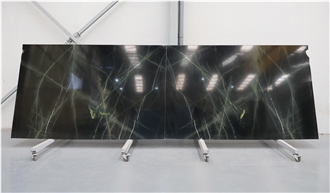
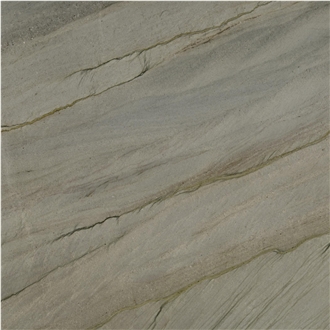
Tellus Quartzite is an exotic natural quartzite quarried in Brazil, characterized by a deep green to almost black base enriched with dramatic flowing veining in jade green, grey, and white tones. The stone presents a highly dynamic and expressive visual structure, with wave-like mineral movements and natural layering that create strong depth and contrast, making each slab unique and highly decorative.

Texture & Structure:

Tellus Quartzite has a dense, fine- to medium-grained crystalline structure formed under intense metamorphic conditions. It is composed of tightly interlocked quartz crystals, giving it exceptional hardness, compactness, and very low porosity. The surface often shows a subtle crystalline sparkle under light, especially when polished.

Mineral & Chemical Composition (% by weight):

  • Quartz (SiO₂): 80–92%
  • Feldspar: 3–8%
  • Mica and accessory silicate minerals: 2–7%
  • Iron and trace minerals (color contributors): <2%

Physical & Mechanical Test Results:

  • Apparent density: 2,670 – 2,710 kg/m³
  • Water absorption: 0.08 – 0.35%
  • Compressive strength: 150 – 170 MPa
  • Flexural strength (modulus of rupture): 14 – 19 MPa
  • Abrasion resistance: Very high Mohs hardness: 6.5 – 7

Pattern & Appearance:

The stone features a deep, dark background with dramatic flowing veins and mineral streaks in jade green, light grey, and white. The movement is often linear or cloud-like, creating a sense of motion and natural artistry across the slab surface.

Surface Finish Options:

  • Polished: High gloss finish enhancing color depth and contrast
  • Honed: Smooth matte finish for a softer natural look
  • Leathered: Textured finish emphasizing mineral structure
  • Brushed: Slightly rustic surface highlighting natural movement

Usage Applications:

  • Luxury countertops and kitchen islands
  • Feature walls and reception areas
  • Bathroom vanities and spa designs
  • Flooring in premium residential and commercial spaces
  • Decorative panels and architectural highlights

Maintenance:

  • Naturally low maintenance due to high quartz content
  • Recommended sealing for stain resistance in high-use or wet areas
  • Clean using pH-neutral stone cleaners only
  • Avoid acidic or abrasive cleaning products
  • Highly resistant to scratching, heat, and daily wear

Tellus Quartzite is a premium exotic stone that combines strong durability with bold visual impact, making it ideal for high-end architectural and interior design projects.

FAQ

Can I use bleach when cleaning a Tellus Quartzite kitchen countertop?

Its not recommended to use bleach on your Tellus Quartzite kitchen countertop. Quartzite is a natural stone, and while it is more durable and dense than some other stones like marble, harsh chemicals like bleach can potentially damage the surface. Bleach can cause discoloration or dull the finish over time. Instead, use a mild dish soap mixed with warm water and a soft cloth or sponge to clean the countertop. If you need to tackle stubborn stains, consider using a cleanser specifically designed for natural stone. Always check with the manufacturer or a stone professional for the best care practices tailored to your specific countertop.

Can Tellus Quartzite be used as paving stone in areas with heavy snowfall in winter? Is it frost-resistant?

Tellus Quartzite, like many quartzite stones, is generally known for its durability, hardness, and resistance to weathering. These characteristics can make it a suitable option for use as a paving stone in areas with heavy snowfall. Here are some specific considerations for using Tellus Quartzite in such conditions: 1. **Frost Resistance**: Quartzite is typically frost-resistant, meaning it can withstand freeze-thaw cycles without significant damage. This is crucial in areas with heavy snowfall because water can seep into the stone, freeze, and expand, potentially causing cracks in less durable materials. Its important to verify the specific frost resistance rating of the Tellus Quartzite youre considering, as variations in porosity and composition could affect performance. 2. **Slip Resistance**: In snowy and icy conditions, slip resistance is an important factor for paving stones. Quartzite generally has a textured surface that can provide good traction. However, for added safety, ensure the specific finish of the Tellus Quartzite provides adequate grip. 3. **Maintenance**: While quartzite is relatively low maintenance and can withstand harsh conditions, it is still advisable to seal the stone to protect against staining from salt and other de-icing agents used during winter. 4. **Load-bearing Capacity**: If the quartzite will be used in driveways or areas with vehicle traffic, consider the thickness and strength of the stone to ensure it can bear the weight without cracking. Before making a decision, consult with the supplier or a stone professional to confirm the suitability of Tellus Quartzite for your specific location and conditions. Additionally, ensure correct installation to maximize the stone’s performance and longevity in winter conditions.

Can 18mm thick Tellus Quartzite be used for kitchen countertop?

Tellus Quartzite, like other types of quartzite, can potentially be used for kitchen countertops due to its durability, resistance to heat, and aesthetic appeal. However, an 18mm (approximately 0.7 inches) thickness may be thinner than the standard recommendation for kitchen countertops, which is generally around 30mm (1.18 inches) for natural stone like quartzite. Using a thinner slab may require additional support, like a plywood subtop, to ensure stability and prevent cracking or breaking under heavy weight or impact. Additionally, thinner slabs might necessitate special edge treatments to enhance durability and aesthetics. Its essential to consult with a professional fabricator or installer who can assess the structural requirements and offer advice tailored to your specific installation needs. They can also guide you regarding any necessary reinforcements and ensure proper installation to maximize the materials longevity and performance in a kitchen setting.

How can I repair the scratched surface of the Tellus Quartzite steps?

Repairing the scratched surface of Tellus Quartzite steps involves a few careful steps to restore their appearance. Quartzite is a hard and durable natural stone, but scratches can nonetheless occur. Heres a guide to help you through the process: 1. **Cleaning the Area:** - Begin by thoroughly cleaning the steps with a stone-safe cleaner or a mild dish soap mixed with warm water. - Use a soft cloth or a soft-bristle brush to avoid causing more scratches. - Allow the steps to dry completely before proceeding. 2. **Assess the Damage:** - Carefully inspect the scratches to determine their depth. Light scratches can often be addressed with polishing, while deeper scratches might require additional steps. 3. **Polishing Light Scratches:** - Use a stone polishing powder or compound specifically designed for quartzite. These can usually be found at hardware stores or online. - Apply the polishing compound according to the manufacturers instructions, typically with a soft, damp cloth or a buffing pad. - Work the compound into the scratched area in a circular motion until the scratch is no longer visible. - Wipe away any leftover residue with a clean, damp cloth. 4. **Handling Deeper Scratches:** - For deeper scratches, you may need to sand the area with fine-grit sandpaper (such as 400 to 600 grit). - Sand very gently and only over the scratched area to avoid creating uneven surfaces. - After sanding, polish the area with a stone polishing powder to restore the shine. 5. **Sealing the Surface:** - If your Tellus Quartzite is not already sealed or if the sealant has worn off, consider applying a quality stone sealer. - Follow the instructions on the sealer product for best results, and apply it evenly across the entire surface to protect against future damage. 6. **Final Cleaning:** - After repairs and any sealing, clean the steps again to remove any residue or dust from the process. - Dry thoroughly with a microfiber cloth, which helps in avoiding streaks. 7. **Regular Maintenance:** - To prevent scratches in the future, maintain the quartzite regularly by keeping it clean and addressing any spills immediately. - Use surface protectors, such as doormats or rugs, to minimize dirt and debris that can cause scratches. If the scratches are extensive or the restoration work does not meet your expectations, it might be worth consulting a professional stone restoration service. They can provide expert care with specialized tools and techniques.

If I use Tellus Quartzite as a bar countertop, will alcoholic drinks damage its surface over time?

Tellus Quartzite is a natural stone known for its durability and resistance to heat and scratching, which makes it a popular choice for countertops, including bar countertops. However, like many natural stones, quartzite is porous to some degree and can be susceptible to staining if not properly sealed. Alcoholic drinks, especially those with acidic content like wine, cocktails, or citrus mixers, can potentially etch or stain the surface if they are allowed to sit for a prolonged period. To minimize the risk of damage: 1. **Sealing**: Make sure the quartzite is properly sealed upon installation and reseal it periodically according to the manufacturers recommendations. A good sealant can provide a barrier that helps prevent liquids from penetrating the stone. 2. **Cleaning Spills Promptly**: Wipe up spills immediately to prevent any potential staining or etching. 3. **Use Coasters and Mats**: Place coasters under glasses and mats under bottles to minimize contact with the stone surface. 4. **Use Appropriate Cleaners**: Clean the countertop with a pH-neutral cleaner designed for natural stone. Avoid using acidic or abrasive cleaners, which can damage the sealant or the stone itself. By taking these precautions, you can help maintain the appearance and integrity of your Tellus Quartzite countertop over time, even in a high-use area like a bar.

Tellus Quartzite has its own natural veins. If I use it as stair steps, will it break along these veins?

Tellus Quartzite, like other types of quartzite, is a very hard and durable natural stone, which makes it suitable for a variety of applications, including stair steps. However, the presence of natural veins can potentially be weak points in the stone. These veins are often filled with different minerals that may not be as strong as the surrounding quartzite, which could make them more susceptible to cracking or breaking under stress. Whether the veins will lead to breakage largely depends on several factors: 1. **Vein Composition**: If the veins are composed of a softer mineral, they might be weaker and more prone to cracking. 2. **Installation**: Proper installation is crucial for ensuring long-term durability. If the stone is not adequately supported, stress points introduced by the veins can increase the likelihood of cracking. 3. **Usage and Load**: The amount of foot traffic and the weight carried along the stairs can affect whether the veins might lead to cracking. High-load areas might be more prone to damage. 4. **Stone Thickness**: Thicker slabs are generally more durable and less likely to crack even if there are veins present. 5. **Vein Orientation**: Veins running perpendicular to the applied forces are usually less problematic than veins parallel to heavy loads. 6. **Proper Sealing**: Regularly sealing the quartzite can help protect it from moisture infiltration, which might exploit any weaknesses in the stone. Its important to work with an experienced stone supplier and installer who can assess the specific characteristics of the Tellus Quartzite you plan to use and address any potential concerns during the installation process.

Products & Prices

Hot Quartzite

New Quartzite

Post Your Request

The request includes:
  1. surface finished, size
  2. quantity required