Post Your Needs

Tero Quartzite

Quartzite

Brazil

About

Item Details

Material Type:
Quartzite
Origin:
Brazil
Recommended Usage:
kitchen and bathroom countertop, wash basins, building stone, ornamental stone, stairs, interior wall and floor applications, mosaic, water-jet pattern, wall panels, table tops, balustrades, columns, fireplaces, luxury furniture
Additional Names:
Wooden Quartzite
Finished Surface:
Polished,Bush Hammered,Tumbled,Brushed,Honed,Split,Machine Cut,Natural Surface,Sandblasted,Combed,Leathered,Water Jet,Chiseled,Pickling

Testing

Water Absorption:
0.25 %
Density:
2850 kg/m³

Description

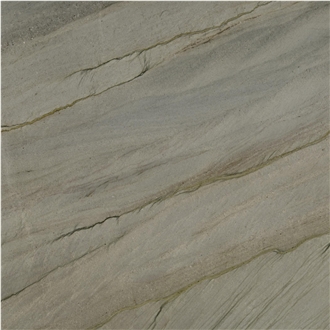
Tero Quartzite is a striking and highly durable natural stone quarried in Brazil, renowned for its dramatic veining, deep earthy and bronze-toned coloration, and exceptional mechanical strength. It is characterized by rich directional movement and warm wood-like hues, creating a bold yet sophisticated aesthetic that delivers strong visual impact in luxury architectural and interior design applications.

The stone features a medium to coarse crystalline texture with a dense metamorphic structure. Its surface displays pronounced linear movement and flowing mineral bands, with layered tonal variations ranging from deep browns and bronzes to muted earth tones. The natural veining is strong and directional, giving the material a dynamic sense of motion and depth across large-format installations.

Test Results (NBR 15845):

  • Apparent Density: 2,850 kg/m³
  • Water Absorption: 0.25%
  • Compressive Strength (indicative): High, suitable for structural and heavy-use applications
  • Flexural Strength: Excellent resistance for architectural use
  • Hardness: High (quartzite-based durability)

Petrographic Analysis (% by weight):

  • Quartz: 55%
  • Potassium Feldspar: 25%
  • Garnet: 10%
  • Sillimanite: 8%
  • Opaque Minerals: 2%

This mineral composition provides excellent hardness, abrasion resistance, and long-term durability, while contributing to its distinctive warm and richly textured appearance.

Texture & Pattern:

Tero Quartzite exhibits a strong directional grain with layered mineral flow. The texture is dense and crystalline, with visible natural alignment of minerals that enhance its wood-like visual character. The pattern is bold, structured, and continuous, making it particularly suitable for large-scale architectural surfaces.

Surface Finish Options:

Polished Honed Leathered Brushed Sandblasted Tumbled Waterjet cut Machine-cut finishes

Applications & Usage:

Tero Quartzite is ideal for kitchen countertops, bathroom vanities, feature walls, flooring, staircases, façade cladding, reception areas, luxury furniture, and outdoor landscaping. Its high strength and low water absorption make it suitable for both interior and exterior applications, including high-traffic and demanding environments.

Maintenance:

  • Clean with pH-neutral stone cleaners
  • Avoid acidic or abrasive chemicals
  • Seal periodically depending on usage intensity
  • Wipe spills promptly to maintain surface integrity
  • Suitable for long-term exterior exposure with minimal maintenance

Tero Quartzite combines natural elegance with outstanding technical performance, making it a premium choice for high-end residential, commercial, and architectural projects.

FAQ

How can I remove rust stains from a Tero Quartzite kitchen countertop?

Removing rust stains from a Tero Quartzite kitchen countertop requires a gentle approach to avoid damaging the surface. Heres a step-by-step method you can try: 1. **Identify the Stain Type:** Ensure that the stain is actually rust. Rust stains typically appear as reddish-brown marks. 2. **Gather Materials:** - Baking soda - Hydrogen peroxide (3% solution is commonly available) - Plastic wrap - Plastic spatula or non-abrasive sponge - Soft cloth or paper towel 3. **Prepare a Poultice:** - Create a paste by mixing baking soda with hydrogen peroxide. The consistency should be similar to that of toothpaste—thick enough to adhere to surfaces but not too dry. 4. **Apply the Poultice:** - Spread the paste over the rust stain until its completely covered. - Cover the paste with plastic wrap and tape down the edges to seal the area. This prevents the paste from drying out too quickly and allows it more time to draw the stain out of the stone. - Let it sit for at least 24 hours. 5. **Remove the Poultice:** - Carefully remove the plastic wrap and use a plastic spatula or a non-abrasive sponge to gently scrape off the dried paste. - Wipe the area with a damp soft cloth or paper towel to remove any residues. 6. **Rinse and Dry:** - Rinse the countertop with clean water to ensure all remnants of the paste are removed. - Dry the area thoroughly with a clean cloth. 7. **Repeat if Necessary:** - If the stain persists, you may need to repeat the process. 8. **Seal and Protect the Countertop:** - Once the rust stain is removed, consider applying a stone sealer designed for quartzite to help protect against future stains. 9. **Prevent Future Stains:** - Use coasters under metal items, regularly clean the countertop, and avoid leaving wet items standing on the surface for long periods. Always test any cleaning method on an inconspicuous area first to ensure it doesn’t damage the stone. If the stain is particularly stubborn or the countertop shows signs of damage, it might be best to consult a professional stone cleaner or restoration expert.


Can I mix cleaning vinegar and Dawn dish soap together to clean a Tero Quartzite countertop?

Yes, you can mix cleaning vinegar and Dawn dish soap to clean a Tero Quartzite countertop. Vinegar and dish soap can effectively help remove grime and grease. However, since vinegar is acidic, its crucial to ensure that your Tero Quartzite countertop is sealed properly. Acidic substances can potentially etch or dull the surface of natural stones, so its always a good idea to test the mixture on a small, inconspicuous area first. If the surface reacts unfavorably, it would be best to avoid using vinegar. Additionally, after cleaning, make sure to rinse the countertop thoroughly with water to remove any residue and dry it with a soft cloth to maintain its finish.

Can the surface of Tero Quartzite be finished with a glossy polish?

Yes, Tero Quartzite can typically be finished with a glossy polish. Quartzite is a natural stone that is quite hard and durable, making it suitable for a variety of finishes, including a glossy polish. A polished finish enhances the stones natural colors and patterns, giving it a shiny, reflective surface. This type of finish is often used for countertops, flooring, and other decorative applications where an elegant look is desired. However, the ability to achieve a high gloss finish can depend on the specific characteristics of the quartzite slab, so its best to consult with a professional stone fabricator to determine the most suitable finish for your specific piece of Tero Quartzite.

Is Tero Quartzite heat resistant? Is it suitable for use in fireplaces?

Tero Quartzite, like many natural stone materials, is generally heat resistant and can be suitable for use in fireplace applications. Quartzite is a metamorphic rock formed from sandstone, and it is known for its durability and resistance to heat and scratching. Its properties make it a popular choice for areas that need to withstand higher temperatures. Before using Tero Quartzite in a fireplace, its important to ensure that it is properly sealed and that the installation is done correctly to prevent any potential issues. Always consult with a professional to ensure that the stone you choose is appropriate for your specific fireplace design and installation conditions. Keep in mind that while quartzite is heat resistant, quick temperature changes can potentially lead to cracking or other damage, so its essential to take care in how the fireplace is used and maintained.

Can Tero Quartzite be used as a kitchen cutting board?

Tero Quartzite is a type of natural stone that is often used for countertops, flooring, and other architectural applications. While it is durable and resistant to heat and scratches, there are a few considerations to keep in mind if youre thinking about using it as a kitchen cutting board: 1. **Porosity**: Natural stones like quartzite can be porous, which means they can absorb liquids and potentially stain. If used as a cutting board, the surface may absorb juices from foods, which can lead to staining or harbor bacteria. 2. **Knife Impact**: Using a quartzite surface as a cutting board could dull your knives more quickly compared to traditional wooden or plastic boards. The hard surface doesnt yield to the knife blade, which can cause it to lose sharpness over time. 3. **Maintenance**: Quartzite may require sealing to reduce its porosity and make it more stain resistant. Regular maintenance might be needed to keep it in good condition. 4. **Surface Damage**: Although quartzite is hard and durable, repeated cutting in the same area might cause surface wear or scratches over time. Considering these factors, while Tero Quartzite can technically be used as a cutting board, it might not be the most practical or cost-effective choice. Traditional cutting boards made from wood or food-safe plastic are generally more suitable for kitchen use due to their forgiving surface and ease of maintenance.

If I use 1.2 cm thick Tero Quartzite as a table top, will it be strong enough? Will it break easily?

Using 1.2 cm thick Tero Quartzite as a tabletop can be feasible, but there are several factors to consider regarding its strength and susceptibility to breaking: 1. **Material Properties**: Quartzite is a natural stone known for its hardness and durability. Its typically more resistant to scratching and heat compared to some other natural stones, like marble. However, its durability as a table surface will depend on the specific quality and structural integrity of the Tero Quartzite slab you are considering. 2. **Thickness**: At 1.2 cm, the stone is relatively thin for a tabletop. Thicker slabs, such as those that are 2 cm or 3 cm, are common for table and countertop applications due to their ability to withstand weight and stress better without support. 3. **Support Structure**: If you plan to use 1.2 cm thick quartzite, adequate support is crucial. The tables frame should be well-designed to provide underlying support along the entire surface or at critical points, helping to distribute weight evenly and prevent bending or cracking. 4. **Usage**: Consider the intended use of the table. If it will be subjected to heavy use or the placement of heavy objects, the risk of cracking or breaking increases, particularly with a thinner slab. 5. **Fabrication and Installation**: Proper cutting, handling, and installation are critical. A professional should manage these processes to minimize the risk of stress points that could lead to cracking or breaking. 6. **Edges and Corners**: These are more prone to chipping and should be finished appropriately to minimize potential damage. Ultimately, while 1.2 cm Tero Quartzite can be used for a tabletop, careful consideration of support, intended use, and professional installation is essential to ensure its strength and longevity. Always consult with a professional fabricator or supplier to assess the suitability of this material for your specific application.

Products & Prices

Hot Quartzite

New Quartzite

Post Your Request

The request includes:
  1. surface finished, size
  2. quantity required