Post Your Needs

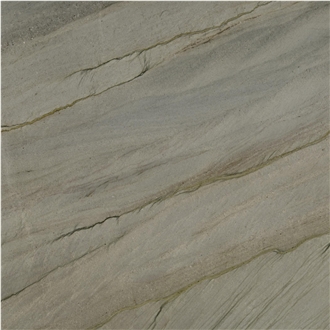
Twilight Black Quartzite

Quartzite

India

About

Item Details

Material Type:
Quartzite
Origin:
India
Recommended Usage:
kitchen and bathroom countertops, wash basins, building stone, ornamental stone, stairs, interior, exterior wall and floor applications, mosaic, waterjet pattern, wall panels, table tops, balustrades, columns, wall and pool copings, pool pavers, sculptures, fireplaces, window sills
Additional Names:
Twilight Green Quartzite, Black Bamboo Quartzite, Verde Bamboo Quartzite
Finished Surface:
Polished,Bush Hammered,Tumbled,Brushed,Honed,Split,Machine Cut,Natural Surface,Sandblasted,Combed,Leathered,Water Jet,Filled,Chiseled,Pickling

Testing

Water Absorption:
0.10–0.30%
Density:
2650–2750 kg/m³
Flexural Strength:
15–25 MPa
Compressive Strength:
180–260 MPa

Description

Color & Appearance

Twilight Black Quartzite is a striking exotic natural stone characterized by a deep, dramatic palette dominated by jet black, charcoal, and dark anthracite tones, subtly enriched with iridescent green, bronze, and golden veining. The interplay of these hues evokes the shifting atmosphere of twilight, reminiscent of a night sky or a shadowed forest, delivering a mysterious yet refined aesthetic. Natural variations across slabs create depth and exclusivity, making each piece visually unique.

Pattern & Texture

This quartzite features bold horizontal striations combined with intricate, wavy and layered patterns, resembling sedimentary rock formations, flowing water, or expressive abstract brushstrokes. Fine, shimmering veins of green, bronze, and gold traverse the dark background, producing a subtle metallic and luminous effect, particularly under direct lighting. The texture is dense, compact, and smooth, and when polished, it enhances the stone’s reflective and iridescent qualities, giving it a sophisticated, high-end finish.

Mineralogical Composition (% by weight)

  • Quartz: 90–96%
  • Feldspar: 1–4%
  • Mica (Biotite/Muscovite): 1–3%
  • Iron Oxides & Trace Minerals: 0.5–2%

Chemical Composition (% by weight)

  • SiO₂: 92–96%
  • Al₂O₃: 1–3%
  • Fe₂O₃: 0.5–2%
  • CaO: 0.2–0.8%
  • MgO: 0.1–0.5%
  • K₂O + Na₂O: 0.5–2%

Technical Properties

  • Density: 2,650–2,750 kg/m³
  • Water Absorption: 0.10–0.30%
  • Compressive Strength: 180–260 MPa
  • Flexural Strength: 15–25 MPa
  • Abrasion Resistance: Very High
  • Mohs Hardness: 6–7

Applications / Usage

  • Interior flooring and wall cladding
  • Luxury residential and commercial spaces
  • Kitchen countertops and islands
  • Bathroom vanities and wet areas
  • Feature walls and statement panels
  • Staircases and risers
  • Exterior façades and landscaping (weather resistant)
  • High-end furniture and custom design elements

Surface Finish Options

  • Polished (high gloss, enhances iridescence)
  • Honed (smooth matte finish)
  • Leathered (textured, natural feel)
  • Brushed Sandblasted (for anti-slip exterior use)
  • Flamed (limited application depending on structure)

Maintenance

  • Highly durable and scratch-resistant due to high quartz content
  • Seal recommended to enhance stain resistance
  • Clean with pH-neutral stone cleaners
  • Avoid harsh chemicals and acidic substances
  • Periodic resealing depending on usage conditions

Twilight Black Quartzite is an exotic, high-performance natural stone combining dramatic dark aesthetics with luminous mineral veining, offering both visual impact and exceptional durability. Its unique interplay of color, pattern, and reflective qualities makes it an ideal choice for luxury, contemporary architectural and design applications.

FAQ

The hot pan left a mark on my Twilight Black Quartzite kitchen countertop—how can I clean it?

Dealing with a mark on your Twilight Black Quartzite countertop can be concerning, but with the right approach, you can often minimize or remove it. Here’s a step-by-step guide: 1. **Assess the Damage**: First, determine whether the mark is a scorch, stain, or superficial discoloration. If it’s a burn, the surface may be slightly rough. 2. **Gentle Cleaning**: Start by cleaning the area with a mild dish soap and warm water. Use a soft cloth or sponge to gently clean, then rinse and dry the area thoroughly. This will remove any surface residue. 3. **Baking Soda Paste**: If the mark persists, you can try a baking soda paste. Mix baking soda with a small amount of water to form a thick paste. Apply it to the mark, let it sit for 15-20 minutes, and then gently scrub with a soft cloth or sponge. Wipe away any residue with a clean, damp cloth, and dry thoroughly. 4. **Poultice for Stains**: If the mark appears to be a deep-set stain, you might need to use a poultice. Mix baking soda and water or a specific quartzite-safe poultice product to form a paste. Apply it to the mark, cover it with plastic wrap, and tape down the edges. Leave it for 24-48 hours, allowing it to draw out the stain. Remove the poultice and clean the area. 5. **Polishing**: For minor surface damage, using a stone-safe polish or a quartz-safe polishing compound can help restore some shine. Follow the product instructions and gently buff with a soft cloth. 6. **Professional Help**: If the mark doesn’t improve, it might be worth consulting a professional stone restoration service. They can evaluate the damage and offer specialized solutions, potentially refinishing the affected area. 7. **Preventative Measures**: To prevent future marks, always use trivets or heat-resistant mats under hot cookware and practice regular sealing and maintenance of your quartzite surfaces. Remember, test any cleaning methods on a small, inconspicuous area first to ensure they do not cause additional damage.

If I use Twilight Black Quartzite as a bar countertop, will alcoholic drinks damage its surface over time?

Twilight Black Quartzite is a natural stone that is generally more durable and resistant to etching and staining compared to some other natural stones, like marble. However, as with any natural stone surface, there are a few considerations to keep in mind when using it as a bar countertop, especially when alcoholic drinks are involved: 1. **Sealing**: Quartzite is typically less porous than marble but more porous than granite. It is important to ensure that your countertop is properly sealed. A good sealant will help protect the surface from stains and etching caused by acidic liquids like alcohol, citrus, and even some cleaning products. 2. **Spills**: Promptly cleaning up spills is crucial. Alcoholic drinks, especially those with acidic components like citrus, can potentially etch or stain the surface if left for extended periods. 3. **Maintenance**: Regular maintenance, including resealing when necessary (usually once a year, but it can vary based on use), will help preserve the integrity and appearance of the quartzite. 4. **Protection**: Using coasters, mats, or trays can help minimize direct contact with the stone and reduce the risk of damage from glass rings or spills. While Twilight Black Quartzite is well-suited for a bar countertop due to its aesthetic and durability, taking these precautions will help maintain its appearance and longevity under the exposure to alcoholic beverages.

Twilight Black Quartzite has its own natural veins. If I use it as stair steps, will it break along these veins?

Twilight Black Quartzite, like other types of natural stone, does feature natural veins, which are layers or lines of different mineral compositions. While these veins contribute to the stones aesthetic appeal, they can also be areas of potential weakness. However, quartzite is generally known for its durability and strength, making it suitable for various applications, including stair steps. When using Twilight Black Quartzite for stair steps, there are a few considerations to keep in mind: 1. **Quality and Thickness**: Ensure that the quartzite slabs used for the steps are of a suitable thickness and high quality. Thicker slabs with fewer veins are typically more robust. 2. **Professional Installation**: Proper installation by experienced professionals is crucial. They can assess the stone and determine the best orientation and support to minimize the risk of breaking or cracking. 3. **Sealing and Maintenance**: Regular sealing can help protect the stone from moisture and other elements that could exacerbate any potential weaknesses. 4. **Load and Stress**: Ensure that the design and structure can accommodate the loads and stresses typical of stairs without overburdening the stone. While the presence of veins might introduce some risk, with the right selection, preparation, and installation, Twilight Black Quartzite can be effectively used for stair steps without significant concerns about breaking. If youre unsure, consulting with a stone specialist or supplier can provide additional guidance tailored to your specific project.

Can I use bleach when cleaning a Twilight Black Quartzite kitchen countertop?

Using bleach on a Twilight Black Quartzite kitchen countertop is not recommended. Quartzite is a natural stone, and using harsh chemicals like bleach can damage its surface, potentially causing discoloration or etching. Instead, its best to clean quartzite countertops with a mild dish soap and warm water. Use a soft cloth or sponge for wiping, and avoid abrasive pads that could scratch the surface. Always dry the countertop with a clean towel after cleaning to prevent water spots. Regular maintenance with a stone-safe cleaner and periodic resealing will help preserve the beauty and integrity of your quartzite countertop.

My Twilight Black Quartzite kitchen countertop edge is broken. How can I glue it back, and will it look like before?

Repairing a broken quartzite countertop edge can be a bit challenging, but its possible to achieve a satisfactory result if youre careful. Here’s a step-by-step guide to help you through the process: ### Materials Needed: - Epoxy adhesive or stone glue (specifically designed for stone repair) - Color tint (to match the stone; these often come with stone adhesives) - Masking tape - Sandpaper (various grits: 220, 400, and possibly finer for polishing) - Clamps (if necessary) - Soft cloth - Isopropyl alcohol ### Steps: 1. **Clean the Area:** - Thoroughly clean the broken edge and the corresponding piece with isopropyl alcohol to remove any dust, oil, or debris. Allow it to dry completely. 2. **Tape Around the Area:** - Use masking tape to cover the surrounding areas of the break to prevent any adhesive from getting on the rest of the countertop. 3. **Prepare the Epoxy:** - Mix the epoxy adhesive according to the manufacturers instructions. If your stone has unique coloring or patterns, you may need to add color tint to match the stone. Some stone repair kits include this, or you can purchase them separately. 4. **Apply the Epoxy:** - Carefully apply a thin layer of the mixed epoxy to both the broken edge on the countertop and the detached piece. Be sure to cover the entire break evenly. 5. **Reattach the Piece:** - Press the broken piece back into place on the countertop. Ensure its properly aligned with the rest of the countertop edge. If needed, use clamps to hold it firmly in position while the epoxy cures. Wipe off any excess adhesive immediately with a cloth. 6. **Let it Cure:** - Allow the epoxy to cure according to the manufacturer’s instructions, typically 24 to 48 hours. Avoid placing any weight or stress on the repaired area during this time. 7. **Sand and Polish:** - Once the epoxy has fully cured, use sandpaper to sand down any excess adhesive and to smooth the joint. Start with a 220-grit sandpaper and progress to finer grits (400 or more) to achieve a polished finish. Be very gentle to avoid scratching the surrounding stone. 8. **Final Clean:** - Clean the area again with a soft cloth and some isopropyl alcohol to remove any dust from sanding. This will also give you a chance to inspect the repair. ### Consider Professional Repair: Depending on the severity of the break and your confidence in doing the repair, you might want to consider hiring a professional stone repair specialist, especially if you want the repair to be nearly invisible. They have the experience and tools to match colors and provide a seamless look. Remember, while a DIY repair can restore functionality and improve the appearance, achieving a perfect match and polish can be challenging. If aesthetics are a major concern, professional help is advisable.

If I use 1.2 cm thick Twilight Black Quartzite as a table top, will it be strong enough? Will it break easily?

Using a 1.2 cm (approximately 0.47 inches) thick slab of Twilight Black Quartzite as a tabletop is generally considered quite thin, especially for a material that will be regularly subjected to weight, pressure, and potential impact. The suitability of this thickness largely depends on how the table is constructed and supported, as well as the intended use. Here are a few considerations: 1. **Structural Support**: Proper support is crucial. A strong substructure or base that evenly distributes weight across the surface can help prevent sagging or breaking. Ensure that the quartzite is adequately supported underneath and that the support matches the thickness and intended use of the table. 2. **Intended Use**: If the table is meant for light usage, such as a decorative side table, the 1.2 cm thickness may suffice. However, for more demanding uses, like dining tables or work surfaces that will bear heavy loads, a thicker slab is recommended to prevent damage. 3. **Material Properties**: Quartzite is a hard and dense natural stone, offering good resistance to scratching and heat. However, its strength can be compromised if the slab is too thin and inadequately supported. 4. **Risk of Breakage**: A thinner slab is more prone to flexing and, as a result, can crack or break under stress or if impacted sharply. Its advisable to avoid applying concentrated loads or impacts to the surface. 5. **Alternative Approaches**: If using a 1.2 cm thick slab is necessary for aesthetic reasons, consider reinforcing it with additional material (e.g., plywood) attached underneath for added strength without changing the visual appearance significantly. For optimal results and to ensure long-term durability, many recommend using a thicker slab for highly functional surfaces or consulting with a professional regarding the specific application and support requirements for your table.

Products & Prices

Hot Quartzite

New Quartzite

Post Your Request

The request includes:
  1. surface finished, size
  2. quantity required