Post Your Needs

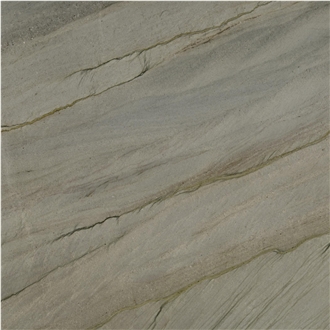
Vesuvio Quartzite

Quartzite

Brazil

About

Item Details

Material Type:
Quartzite
Origin:
Brazil
Recommended Usage:
kitchen and bathroom countertops, wash basins, building stone, ornamental stone, stairs, interior, exterior wall and floor applications, mosaic, waterjet pattern, wall panels, table tops, balustrades, columns, wall and pool copings, pool pavers, fireplaces, window sills
Additional Names:
Verde Vesuvio Quartzite, Vesuvio Green Quartzite, Vesuvio Crystal Quartzite, Verde Patagonia Quartzite, Vesuvius Quartzite, Patagonia Green Quartzite, in China Stone Market:百达翡丽(Bǎidá Fěilì)
Finished Surface:
Polished,Bush Hammered,Tumbled,Brushed,Honed,Split,Machine Cut,Natural Surface,Sandblasted,Combed,Leathered,Water Jet,Filled,Chiseled,Pickling

Testing

Water Absorption:
0.10 – 0.25% by weight
Density:
2650 – 2670 Kg/m³
Flexural Strength:
14 – 16 MPa
Compressive Strength:
150 – 160 MPa

Description

Vesuvio Quartzite is a breathtaking natural stone prized for its dramatic color contrasts and dynamic, flowing veining. It features a vivid base palette ranging from deep emerald green to softer, misty sage tones, interwoven with bold, intricate veins of white, charcoal grey, and earthy brown. The movement within the stone resembles a living landscape—like a topographical map or dense forest seen from above—creating a powerful sense of depth, motion, and natural artistry. Its crystalline structure allows for a high-gloss polished finish, which enhances both its vibrant coloration and reflective quality, making it especially striking under natural and artificial lighting. Each slab is unique, offering highly expressive patterns suitable for luxury architectural and design applications.

Geological & Technical Characteristics

  • Type: Natural Quartzite
  • Origin: Brazil
  • Formation: Metamorphic sandstone rich in quartz crystals
  • Texture: Medium to coarse crystalline, dense interlocking structure
  • Pattern: Flowing, dramatic veining with multi-directional movement
  • Color Range: Emerald green, sage green, white, charcoal grey, earthy brown

Physical & Mechanical Properties

  • Apparent Density: ~2.650–2.670 g/cm³
  • Water Absorption: ~0.10–0.25% by weight
  • Compressive Strength: ~150–160 MPa
  • Flexural Strength: ~14–16 MPa
  • Abrasion Resistance: High
  • Hardness (Mohs): 7–7.5

Chemical Composition (% by weight)

  • SiO₂ (Silica): 90–98%
  • Fe₂O₃ (Iron Oxides): 0.5–3% (contributes to brown/earth tones)
  • Al₂O₃ (Alumina): 1–4%
  • Other minerals (mica, feldspar traces): <2%

Mineral Composition (% by weight, typical)

  • Quartz: 90–98%
  • Feldspar: 1–5%
  • Mica & accessory minerals: 0–3%
  • Iron-bearing minerals: trace to 3%

Performance Characteristics

  • Excellent resistance to scratching
  • High heat resistance
  • UV stable (suitable for exterior use)
  • Low porosity and high durability
  • Suitable for heavy-use architectural applications

Surface Finish Options

  • Polished (enhances color depth and translucency)
  • Honed (matte, softer visual appearance)
  • Leathered (textured, natural feel)
  • Brushed / Antique finish (available upon request)

Applications

  • Luxury kitchen countertops & waterfall islands
  • Feature walls and bookmatched panels
  • Bathroom vanities and spa interiors
  • Flooring in high-end residential and hotel projects
  • Exterior cladding and façades
  • Statement furniture and sculptural design elements

Maintenance

  • Seal recommended for long-term stain protection (low frequency due to low porosity)
  • Clean with pH-neutral stone cleaners
  • Avoid acidic or abrasive chemicals
  • Minimal maintenance due to high quartz content and durability

Vesuvio Quartzite is a rare and exotic Brazilian natural stone that embodies the raw beauty of geological transformation. Its vibrant green tones and expressive veining patterns create a sense of movement and natural energy, making it a true statement material for luxury interiors and architectural masterpieces. It combines exceptional durability with artistic visual impact, positioning it among the most exclusive quartzites available in the global natural stone market.

FAQ

The hot pan left a mark on my Vesuvio Quartzite kitchen countertop—how can I clean it?

If a hot pan has left a mark on your Vesuvio Quartzite kitchen countertop, youll want to take care to clean it gently to avoid further damage. Heres a step-by-step guide you can follow: 1. **Cool the Surface**: First, ensure the countertop surface is completely cool before attempting to clean it. 2. **Mild Cleaning Solution**: Start with a mild cleaning solution. Mix a few drops of dish soap with warm water. Use a soft cloth or sponge to gently clean the area. Avoid abrasive sponges or brushes as they can scratch the surface. 3. **Baking Soda Paste**: If the mark persists, try using a baking soda paste. Mix baking soda with a little water to create a paste with a toothpaste-like consistency. Gently rub the paste over the affected area using a soft cloth. Let it sit for a few minutes (about 5-10 minutes), then wipe it off with a clean, damp cloth. 4. **Non-abrasive Cleaner**: For tougher stains, you might consider using a non-abrasive cleaner specifically formulated for natural stone. Make sure to follow the product instructions and test it in an inconspicuous area first to ensure it doesn’t damage the quartzite. 5. **Rinse and Dry**: After using any cleaning solution, rinse the area thoroughly with clean water and dry it with a soft towel to avoid any water spots. 6. **Poultice for Stubborn Marks**: If the mark is still visible, you may need to apply a poultice. This involves applying a poultice powder mixed with water or a specific cleaning agent, spreading it over the stain, covering it with plastic wrap, and letting it sit for 24-48 hours. This process draws out the stain but should be used as a last resort. 7. **Sealant**: If required, consider resealing your countertop after cleaning. This helps to protect the surface and minimize future staining. Check with your countertop supplier for recommended sealants for Vesuvio Quartzite. 8. **Consult a Professional**: If youre unable to remove the mark yourself, it may be worth consulting a professional stone care specialist who can assess and treat the countertop without causing further damage. Always remember to regularly clean and maintain your quartzite to preserve its natural beauty, and be cautious with hot items to prevent future marks.

If lemonade spills on a Vesuvio Quartzite kitchen countertop, will it damage the surface?

Vesuvio Quartzite is a natural stone known for its durability and resistance to heat and scratching. However, like many natural stones, it can be susceptible to etching and staining from acidic substances such as lemon juice. When lemonade spills on a Vesuvio Quartzite countertop, it is important to clean it up promptly to prevent any potential damage. Using a soft cloth or paper towel, blot the spill, and then clean the area with a pH-neutral cleaner or water mixed with a mild dish soap. Avoid using acidic or abrasive cleaners, as they can damage the surface over time. Sealing the quartzite periodically can also help protect it from stains and etching.

Can I use bleach when cleaning a Vesuvio Quartzite kitchen countertop?

Its not recommended to use bleach on a Vesuvio Quartzite kitchen countertop. Quartzite is a natural stone that can react negatively to harsh chemicals like bleach, which might damage its surface by dulling the finish or causing discoloration over time. Instead, use a mild dish soap mixed with warm water for regular cleaning. For tougher stains, consider using a mixture of baking soda and water or a stone-safe cleaner specifically designed for natural stone surfaces. Always make sure to use a soft cloth or sponge to avoid scratching the surface.

If I cut meat directly on my Vesuvio Quartzite kitchen countertop, will it damage the surface?

Cutting meat directly on your Vesuvio Quartzite kitchen countertop is generally not recommended. While quartzite is a durable and hard natural stone, it can still be susceptible to scratches and etching from sharp objects like knives. Additionally, using a knife directly on the countertop can dull the knife over time. To protect your countertop and maintain its appearance, its advisable to use a cutting board whenever youre preparing food. This will help prevent any potential damage to the stone surface and keep it looking pristine.

My Vesuvio Quartzite kitchen countertop edge is broken. How can I glue it back, and will it look like before?

Repairing a broken Vesuvio Quartzite countertop edge can be challenging, but with careful execution, you can achieve a satisfactory result. Heres a step-by-step guide on how to glue it back together: 1. **Gather Materials:** - Epoxy resin specifically formulated for stone repair. - Protective gloves and goggles. - Masking tape. - Acetone or a similar cleaner. - Soft cloths. - Razor blade or utility knife. - Clamps or weights (if needed). - Tint kit to match the stone color (optional). 2. **Preparation:** - Clean the broken edges and the surrounding area with acetone to remove any dust, grease, or debris. - Dry the area thoroughly with a soft cloth. 3. **Align the Pieces:** - Carefully fit the broken piece back together with the main countertop to see how they align. This will give you an idea of how to handle it when glued. 4. **Mix the Epoxy:** - Prepare the epoxy resin according to the manufacturers instructions. Its crucial to mix it thoroughly to ensure maximum strength. 5. **Tint the Epoxy (Optional):** - If the break is noticeable, consider using a color tint kit to match the epoxy to your Vesuvio Quartzite. Add a small amount of tint to the epoxy and mix well. 6. **Apply the Epoxy:** - Use a small brush or spatula to apply a thin, even layer of epoxy to both broken edges. - Carefully align the pieces together and press firmly. 7. **Secure the Joint:** - Use clamps or weights to hold the pieces tightly in place as the epoxy cures. Be careful not to apply too much pressure, which could shift the alignment. 8. **Clean Excess Epoxy:** - While the epoxy is still wet, use a razor blade or utility knife to carefully remove any excess that oozes out of the joint. This will help in achieving a clean finish. - Once the epoxy dries, any excess can be carefully scraped off with the razor blade. 9. **Curing Time:** - Allow the epoxy to cure completely, which usually takes 24 to 48 hours, depending on the product. 10. **Polish the Surface:** - Once cured, you can lightly sand and polish the repair area using a polishing kit to blend it with the rest of the countertop. Be cautious not to scratch the surrounding surface. Regarding the appearance, while you can achieve a good result, it may not be completely invisible. The quality of the repair will depend on the color matching, alignment precision, and your repair skills. If you want a near-perfect finish or do not feel confident doing it yourself, consider hiring a professional stone repair specialist. They have the tools and expertise to ensure the repaired edge looks as seamless as possible.

If I use 1.2 cm thick Vesuvio Quartzite as a table top, will it be strong enough? Will it break easily?

Using 1.2 cm (approximately 0.47 inches) thick Vesuvio Quartzite as a tabletop may not be ideal in terms of structural integrity, especially for larger spans or unsupported areas. Quartzite is a very hard and durable natural stone, making it resistant to scratches and heat. However, when it comes to its use as a countertop or tabletop, thickness plays a crucial role in determining its strength and ability to withstand weight and impact. For most countertops and tables, a thickness of 2-3 cm (approximately 0.8-1.2 inches) is generally recommended. This provides a balance between strength and aesthetics. A thickness of 1.2 cm could potentially be prone to breaking or cracking under weight or impact, especially if the table is large or if it doesnt have adequate support. The risk increases if heavy objects are placed on the table or if it is subject to impacts or undue stress. If you are set on using 1.2 cm thick quartzite, its important to ensure that it is properly supported. This could involve using a substrate like plywood or MDF to provide additional support, ensuring that the stone is well-supported along its edges and across the span of the table. Consulting with a professional fabricator or installer who has experience with natural stone can provide more specific guidance and help ensure the table is both safe and durable.

Hot Quartzite

New Quartzite

Post Your Request

The request includes:
  1. surface finished, size
  2. quantity required