


What is the average compressive strength of Switzerland's Valser Gneiss?
The average compressive strength of Valser Gneiss in Switzerland is around 150-200 MPa (megapascals).

 Switzerland (Vals Platz, Graubünden)
Valser Gneiss is a type of metamorphic rock known for its distinctive appearance and unique geological history. It is a specific variety of gneiss that is quarried in the Swiss Alps, particularly in the Valser Valley, which is where its name originates.
Appearance:
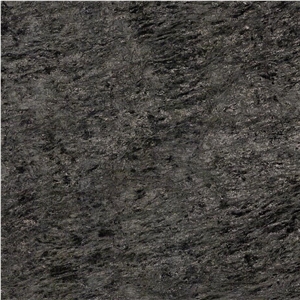
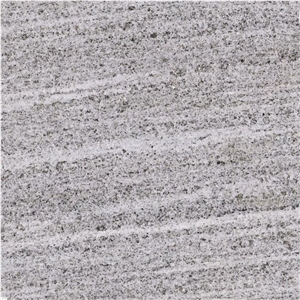
Valser Gneiss features a striking combination of colors and patterns. It typically has a coarse-grained texture, with minerals such as feldspar, quartz, mica, and amphibole forming the primary components. The rock's appearance is characterized by alternating layers of light and dark minerals, which create a banded or striped pattern. The colors in Valser Gneiss can vary and may include shades of gray, white, pink, brown, and green.
Formation:
Gneiss is a metamorphic rock that forms when pre-existing rocks, such as granite or sedimentary rocks, undergo intense heat and pressure over long periods of time. Valser Gneiss specifically originated from the recrystallization and metamorphism of ancient sedimentary rocks or granitic rocks that were present in the Valser Valley region millions of years ago.
Applications:
Valser Gneiss is highly valued for its striking appearance, making it a popular choice for various architectural and design applications. It is commonly used for interior and exterior wall cladding, flooring, countertops, staircases, and decorative elements. The unique banded patterns and rich colors of Valser Gneiss can add a touch of natural beauty and sophistication to any space.
Geological Importance:
Valser Gneiss is of significant geological interest due to its age and formation process. It offers valuable insights into the geological history of the region, as it represents ancient rocks that have undergone metamorphism over geological timescales.
Sustainability:
The sustainable extraction and usage of Valser Gneiss is important to preserve the natural beauty and geological significance of this rock. Responsible quarrying practices help ensure the conservation of the local environment and the geological heritage of the Valser Valley.
As with any natural stone, it is essential to source Valser Gneiss from reputable suppliers and experts who can provide accurate information about its geological origin, availability, finishes, and recommended maintenance practices.
 Eri****


Switzerland

Switzerland

Switzerland

 Italy

Switzerland

Italy

Switzerland
Italy
Italy
 Brazil

Brazil

Brazil
 Belgium

 15YR

 China


 Denmark