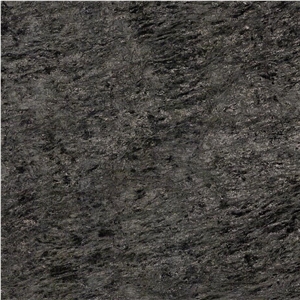
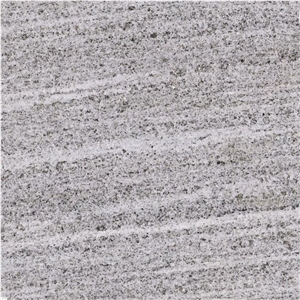
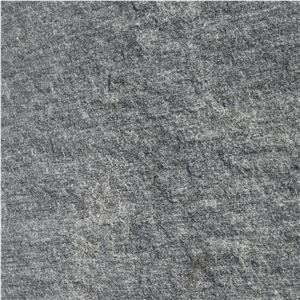
Quincinetto Gneiss

About
Item Details
- Material Type:
- Gneiss
- Origin:
Italy (Quincinetto, Provincia di Torino, Piemonte) - Primary Color(s):
- Green
- Recommended Usage:
- kitchen and bathroom countertop, wash basins, building stone, ornamental stone, stairs, interior, exterior wall and floor applications, mosaic, water-jet pattern, wall panels, table tops, balustrades, columns, wall and pool copings, pool pavers, fireplaces, window sills
- Additional Names:
- Granito Quincinetto, Verde Aosta Gneiss, Verde Italia Granite, Verde Argento Aosta Gneiss Granite, Quincinetto Verde Gneiss, Verde Italia Gneiss, Quincinetto, Quincinetto Gneiss
- Finished Surface:
- Polished,Flamed,Bush Hammered,Tumbled,Brushed,Honed,Split,Machine Cut,Natural Surface,Sandblasted,Acid Washing,Combed,Leathered,Water Jet,Chiseled,Pickling
Testing
- Water Absorption:
- 0.18 %
- Density:
- 2795 kg/m3
- Flexural Strength:
- 17.1 MPa
- Compressive Strength:
- 139.0 - 161.0 MPa
- Stone texture:
- a deep, rich green hues, flowing white veining, and occasional gold flecks deep green gneiss stone
Description
Quincinetto Gneiss is a striking, deep green metamorphic rock quarried in Quincinetto, Provincia di Torino, Piemonte, Italy. This gneiss is celebrated for its rich, deep green hues, flowing white veining, and occasional gold flecks, making it an attractive choice for various architectural and decorative applications.
Physical and Mechanical Properties:
Petrographic Definition: Gneiss
- Physical and Mechanical Properties
- Mass per Unit Volume (Density): 2,795 kg/m³
- Water Absorption: 0.18%Compressive Strength: 161 MPa
- Compressive Strength After Freeze-Thaw Cycles: 139 MPa
- Tangent Elastic Modulus: 47,700 MPa
- Secant Elastic Modulus: 33,400 MPa
- Indirect Tensile Strength (Flexural/Bending): 17.1 MPa
- Abrasion Coefficient (referenced to St. Fedelino Granite): 0.83
- Impact Resistance: Minimum drop height of 62 cm
- Coefficient of Thermal Linear Expansion: 13.4 × 10⁻⁵ °C⁻¹
- Knoop Microhardness: 4,675 MPa
- Hardness Non-Uniformity Index: 3.17
Source: Politecnico di Torino
Chemical and Mineral Composition:
- Quartz: Approximately 40-60%
- Feldspar: Approximately 20-30%
- Mica: Approximately 10-20%
- Amphibole and/or Pyroxene: Contributing to the green color, usually about 5-15%
- Other Minerals and Trace Elements: Contributing to the unique coloration and veining, including the occasional gold flecks.
Usage:
- Interior Applications: Countertops, flooring, wall cladding, stairs, and decorative elements.
- Exterior Applications: Facades, outdoor paving, pool surrounds (due to slip resistance), and landscaping features.
- Specialty Uses: Artistic sculptures and bespoke architectural features, owing to its visually appealing aesthetics.
Maintenance:
- Regular Cleaning: Use a pH-balanced cleaner suitable for natural stone to maintain its appearance.
- Sealing: Recommended to enhance resistance to staining, particularly in areas prone to exposure to moisture or oils.
- Avoiding Abrasives: Use non-abrasive tools and cleaners to avoid dulling the polished finishes.
Cutting Sizes (cm):
- Commonly available in tiles and slabs; sizes can vary based on quarry supply and specific project requirements.
- Tiles can range from small formats (e.g., 30x30 cm) to larger slabs (e.g., up to 200x300 cm), which depends on project specifications.
Available Common Surface Finish Options:
- Polished: Brings out the vibrant colors and veining, with a glossy finish.
- Honed: Smooth, matte finish, which softens the appearance of the stone.
- Brushed/Leathered: Provides texture while retaining some of the stone's natural color variations.
- Flamed: Rough surface, enhancing slip resistance, often used for outdoor flooring.
- Sandblasted: Lightly textured surface, offering additional slip resistance.
Quincinetto Gneiss is versatile and durable, making it a popular choice for designers and builders looking to incorporate natural beauty into their projects. Its unique appearance and mechanical properties ensure its suitability for a wide range of applications, both functional and aesthetic.
FAQ
Yes, there can be variations in color of Italys Quincinetto Gneiss. Gneiss rocks are metamorphic rocks that are composed of minerals such as quartz, feldspar, and mica. The exact mineral composition and the amount of each mineral can vary, which can result in different color variations of the gneiss. Common colors of Quincinetto Gneiss include shades of gray, white, beige, and brown, but it can also have hints of pink, green, or blue, depending on the specific mineral content. The color variations are influenced by the geological conditions during its formation and the presence of different minerals in the rock.
Can Italy's Quincinetto Gneiss be used in wall coverings?
Yes, Italys Quincinetto Gneiss can potentially be used in wall coverings. Gneiss is a type of metamorphic rock characterized by its layered appearance and durability, making it a popular choice for various construction applications including walling. The Quincinetto Gneiss, specifically sourced from the town of Quincinetto in Italy, may possess unique characteristics and aesthetic qualities that make it suitable for wall coverings. However, its always recommended to consult with a professional or supplier to ensure the specific type of Quincinetto Gneiss you have is suitable for your desired purpose.
Can Italy's Quincinetto Gneiss be used exterior applications in very humid climates?
The Quincinetto Gneiss is a type of natural stone found in Italy, known for its unique appearance and durability. While it can generally be used for exterior applications, whether or not it is suitable for use in very humid climates depends on specific factors such as the level of humidity, exposure to moisture, and the maintenance and sealing of the stone.
Gneiss is a metamorphic rock and is generally resistant to weathering and erosion, making it a suitable choice for exterior applications. However, in very humid climates, where there is a high level of moisture in the air or frequent rain, extra precautions may be required.
It is important to consider factors such as the water absorption rate of the stone, its pore structure, and the presence of natural fractures or weaknesses. If the Quincinetto Gneiss has a low water absorption rate and is well-sealed, it may be able to withstand the effects of humidity and moisture.
Regular maintenance and sealing of the stone are crucial in humid climates to ensure its longevity and resistance to weathering. Applying a high-quality stone sealer can help protect the stone from moisture penetration and minimize the chances of damage.
Additionally, proper installation techniques and suitable drainage systems should be implemented to prevent the accumulation of water on the surface of the stone, as this could lead to problems such as staining or structural damage.
Overall, while the Quincinetto Gneiss can be used for exterior applications, its performance in very humid climates will depend on several factors, and it is advisable to consult with a professional or supplier familiar with local conditions for specific recommendations.
Can Italy's Quincinetto Gneiss be used in a bathroom?
Yes, Italys Quincinetto Gneiss can be used in a bathroom. Gneiss is a type of metamorphic rock that is known for its durability and aesthetic appeal, making it suitable for various applications including bathroom countertops, flooring, and wall cladding. Its natural beauty, unique patterns, and color variations can add an elegant and timeless look to bathroom spaces. Additionally, gneiss is highly resistant to heat, scratches, and stains, making it an ideal choice for a bathroom where these qualities are important.
Can Italy's Quincinetto Gneiss be used outdoors?
Yes, Italys Quincinetto Gneiss can be used outdoors. Gneiss is a type of metamorphic rock with excellent durability and weather resistance properties, making it suitable for various outdoor applications. It can be used for outdoor flooring, cladding, paving, landscaping, and other exterior design elements. Its natural beauty, strength, and resistance to wear and tear make it a popular choice for outdoor projects.
What grade is Italy's Quincinetto Gneiss?
I cannot determine the grade of Italys Quincinetto Gneiss without further context. Please provide more information so I can assist you better.
How thick is Italy's Quincinetto Gneiss slabs?
I dont have access to the current thickness of Italys Quincinetto Gneiss slabs. However, the thickness of the Gneiss can range from a few millimeters to several meters, depending on the location and the geological history of the area.
What is the coefficient of friction of Pickled Italy's Quincinetto Gneiss tiles?
I do not have access to specific information on the coefficient of friction of Pickled Italys Quincinetto Gneiss tiles. It is recommended to contact the manufacturer or supplier for this information.
Is Italy's Quincinetto Gneiss an expensive stone?
I dont have the current market prices of the Quincinetto Gneiss. However, in general, the cost of a stone depends on various factors such as availability, location, transportation cost, processing cost, demand, and supply. Its best to consult a stone supplier or natural stone expert for current pricing and availability of Quincinetto Gneiss.