Post Your Needs

Vert de Glacier Gneiss

Green - Gneiss

Switzerland

About

Item Details

Material Type:
Gneiss
Origin:
Switzerland (Salvan, Saint-Maurice, Valais)
Primary Color(s):
Green
Recommended Usage:
Kitchen and bathroom countertops, monuments, building stone, ornamental stone, stairs, interior, exterior wall and floor applications, mosaic, waterjet pattern, wall panels, table tops, window sills, balustrades, columns, wall and pool copings, pool pavers, sculptures, fireplaces, pavers
Additional Names:
Glacier Green Gneiss, Verde Salvan Conglomerate, Gletscher Gruen Conglomerate, Gletscher Grün Gneiss, Salvan Vert Conglomerate, Verde Glaciale Gneiss, Verde Salvan Conglomerate, Vert des Glacieres, Vert de Salvan, Salvan Green Stone, Vert de Glacier Stone, Vert de Glacier Gneiss
Finished Surface:
Polished,Bush Hammered,Tumbled,Brushed,Honed,Split,Machine Cut,Natural Surface,Sandblasted,Acid Washing,Combed,Leathered,Water Jet,Filled,Chiseled,Pickling

Testing

Density:
2710 kg/m³
Flexural Strength:
26.7 MPa
Compressive Strength:
88.0 MPa

Description

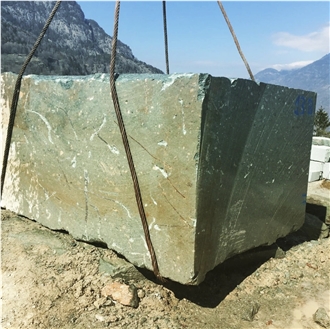
Vert de Glacier, also known as Vert des Glaciers or Vert de Salvan, is a rare and extremely hard conglomerated gneiss stone quarried from the La Plane quarry near the village of Salvan in Switzerland. This stone, composed of siliceous cement, is prized for its remarkable durability and resistance to environmental elements. The quarry is situated in a challenging-to-reach location, between Salvan and the Gorges du Trient, and was officially exploited for the first time in 1978, though evidence suggests that the stone had been used ornamentally for much longer. In 2011, Capinat SA company took over the quarry operations, improving access to the site by building a tunnel.

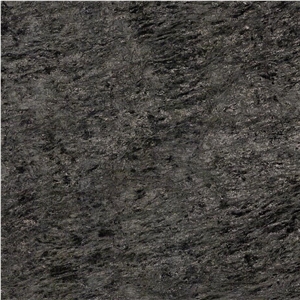
Formed from detrital sedimentary rocks around 290 million years ago, Vert de Glacier dates back to a period long before the Alps formed. Its green color and rugged texture, characteristic of conglomerate stones, make it a visually striking material. The stone is highly resistant to frost and sunlight, qualities that have contributed to its use in various architectural projects in Switzerland and Germany.

Vert de Glacier’s resilience against extreme weather conditions makes it an ideal choice for outdoor applications, including fountains, sculptures, and decorative elements. Its hardness and longevity ensure that it can withstand the test of time, even in demanding environments. This versatility, coupled with its aesthetic appeal, has made Vert de Glacier a favored material in both historical and modern construction projects.

The combination of its ancient origins, rich visual texture, and practical durability make Vert de Glacier a highly valued stone for architectural, decorative, and artistic purposes. Its rarity and beauty, along with its historical significance, ensure its continued prominence in the stone industry.

FAQ

What grade is Switzerland's Vert de Glacier Gneiss?

Switzerlands Vert de Glacier Gneiss does not have a specific grade assigned to it. The term Vert de Glacier Gneiss refers to a type of gneiss (metamorphic rock) that is found in the Swiss Alps, specifically in the Mont Blanc Massif. Its name comes from the French term vert meaning green, as it typically has a greenish color. However, grading systems for gneiss can vary depending on the specific characteristics and uses of the rock.

Can Switzerland's Vert de Glacier Gneiss be used exterior applications in very humid climates?

Switzerlands Vert de Glacier Gneiss is a type of natural stone that is commonly used in interior and exterior applications, including building facades, countertops, and flooring. However, when considering its use in very humid climates, it is important to note that gneiss is a metamorphic rock composed mainly of quartz and feldspar minerals, and its porosity can vary depending on its specific composition and geological formation. In general, gneiss has a low to moderate porosity, meaning it can absorb some moisture. While it is suitable for many exterior applications in humid climates, it may require proper sealing and regular maintenance to prevent water absorption and potential damage. Sealing the stone can help reduce the porosity and make it more resistant to moisture penetration. It is recommended to consult with a local stone supplier or a professional in your specific area to determine the suitability of Vert de Glacier Gneiss for exterior applications in very humid climates. They can provide guidance on the specific characteristics of the gneiss available in your region and the best practices for its installation and maintenance.

Can Switzerland's Vert de Glacier Gneiss be used in landscaping?

Yes, Switzerlands Vert de Glacier Gneiss can be used in landscaping. Gneiss is a durable and attractive rock that can be used for a variety of landscaping purposes. Vert de Glacier Gneiss, in particular, is known for its beautiful green color and unique patterns, making it a popular choice for adding character and aesthetic appeal to outdoor spaces. It can be used for hardscaping elements such as garden walls, pathways, or decorative rock features. Additionally, Vert de Glacier Gneiss can also be used as a decorative stone for flower beds or as a ground cover.

Can Switzerland's Vert de Glacier Gneiss be used in a office?

Yes, Switzerlands Vert de Glacier Gneiss can be used in an office. Gneiss is a type of metamorphic rock known for its durability, strength, and aesthetic appeal. Vert de Glacier Gneiss, in particular, has a greenish tone that can add a unique and elegant touch to any office space. It can be used as a material for flooring, countertops, wall cladding, or even decorative accents in an office setting. Its durability makes it suitable for high-traffic areas, and its natural beauty can create a visually appealing environment in an office.

Can Switzerland's Vert de Glacier Gneiss be used outdoors?

Yes, Switzerlands Vert de Glacier Gneiss can be used outdoors. Gneiss is a durable and hard rock formation that is commonly used in construction and landscaping projects. It is resistant to weathering and can withstand outdoor conditions such as rain, snow, and temperature fluctuations. Vert de Glacier Gneiss, specifically, is a green-colored variety of gneiss found in Switzerland, valued for its aesthetic appeal. It can be used for various outdoor applications such as garden pathways, outdoor walls, steps, and outdoor furniture.

How thick is Switzerland's Vert de Glacier Gneiss slabs?

It is difficult to provide an exact thickness as it may vary depending on the specific quarry or supplier. However, typical thickness for Vert de Glacier Gneiss slabs used in construction and countertops ranges from 2 to 3 centimeters (0.8 to 1.2 inches) or 3 to 4 centimeters (1.2 to 1.6 inches).

Are there color variations of Switzerland's Vert de Glacier Gneiss?

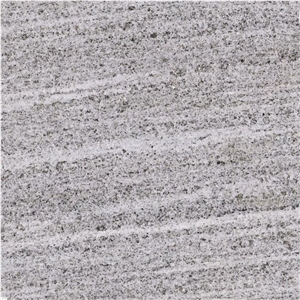
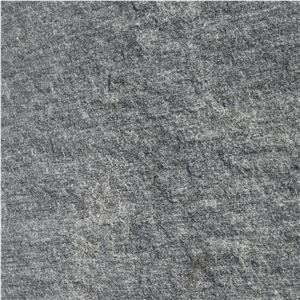
Yes, there are color variations of Switzerlands Vert de Glacier Gneiss. While the primary color of Vert de Glacier Gneiss is green, it can often be found with variations of gray, brown, and white. This natural stone typically exhibits a mottled pattern with different shades and tones of green, creating a beautiful and unique appearance. The exact color variations may vary depending on the specific quarry and geological characteristics of the stone.

Is Switzerland's Vert de Glacier Gneiss an expensive stone?

I dont have access to real-time market data or pricing. However, Vert de Glacier Gneiss is generally considered a high-end natural stone due to its rarity and unique appearance, which may make it more expensive than other kinds of gneiss. The price also depends on various factors, such as availability, demand, and location. Its best to consult with a professional stone supplier or contractor for a quote.

Products & Prices

Hot Green Gneiss

New Gneiss

Post Your Request

The request includes:
  1. surface finished, size
  2. quantity required