Post Your Needs

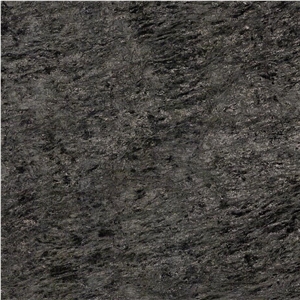
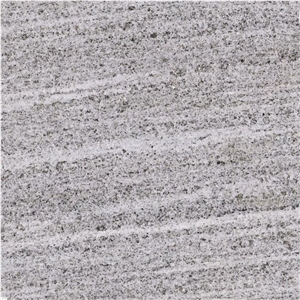
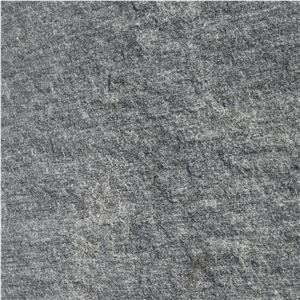
Vert Evolene Gneiss

Green - Gneiss

Switzerland

About

Item Details

Material Type:
Gneiss
Origin:
Switzerland (Evolène, Hérens, Valais)
Primary Color(s):
Green
Recommended Usage:
Kitchen and bathroom countertops, monuments, building stone, ornamental stone, stairs, interior, exterior wall and floor applications, mosaic, waterjet pattern, wall panels, table tops, window sills, balustrades, columns, wall and pool copings, pool pavers, sculptures, fireplaces, pavers
Additional Names:
Oierre d'Evolène, Verde Evolene Granite, Vert de Evolene Gneiss, Pierre Evolene, Evolene Quartzite, Vert Evolène Gneiss, Evolene Stone, Vert d’Evolène, Pîrra Teindra, Vert Evolene Gneiss
Finished Surface:
Polished,Bush Hammered,Tumbled,Brushed,Honed,Split,Machine Cut,Natural Surface,Sandblasted,Acid Washing,Combed,Leathered,Water Jet,Filled,Chiseled,Pickling

Testing

Water Absorption:
0.7 By weight %
Density:
2918 kg/m³
Flexural Strength:
14.4 MPa
Compressive Strength:
154.3 MPa

Description

Vert d’Evolène Gneiss is a metamorphic rock known for its striking green color, enriched with calcite veins. This stone originates from volcanic materials and is composed primarily of minerals with lower hardness, such as talc, carbonate, serpentine, and chlorite. Its unique mineral composition gives it a combination of softness and durability, making it resilient to both fire and frost.

Quarried in Evolène, a region in the Hérens Valley of Valais, Switzerland, Vert d’Evolène is admired for its beauty and has been used by craftsmen and artists since the Stone Age. Its softness allows it to be easily shaped and carved using simple tools typically associated with woodworking—saws, knives, and lathes—making it a highly versatile material.

Locally referred to as "Pîrra teindra," meaning soft stone in the dialect of the region, Vert d’Evolène is especially valued for ornamental and decorative uses. Despite its softness, it maintains resilience and longevity, enhancing its appeal as an architectural material. Its rarity (less than 1% of stones in the Alps) and exceptional qualities make it one of the most treasured ornamental stones in Wallis.

Its ease of workability combined with its natural beauty and historic significance has solidified its place as a prized stone for various artistic and architectural applications.

FAQ

Can Switzerland's Vert Evolene Gneiss be used exterior applications in very dusty climates?

Switzerlands Vert Evolene Gneiss is a type of natural stone that is known for its durability and resistance to weathering. It can be used for various exterior applications, including cladding, paving, and landscaping. However, the suitability of using this stone in very dusty climates would depend on a few factors. Firstly, the dust itself can cause abrasion and wear on the surface of the stone over time. While gneiss is generally a hard and durable material, prolonged exposure to abrasive particles can lead to surface degradation. Regular cleaning and maintenance would be necessary to ensure the longevity of the stone in such dusty environments. Secondly, the color and texture of the Vert Evolene Gneiss should be considered. Dust accumulation on lighter-colored stones may be more noticeable compared to darker stones. Additionally, if the stone has a textured surface, dust particles could settle into the crevices, making it harder to clean. Lastly, the installation method and maintenance practices play a significant role. Proper sealing and regular cleaning can help minimize the impact of dust accumulation. A professional stone installer or supplier can provide guidance on the specific recommendations for this particular type of gneiss. In conclusion, while Vert Evolene Gneiss can be used for exterior applications in dusty climates, it is important to consider the potential effects of dust on the stones surface and to implement appropriate maintenance practices to mitigate any issues.

Can Switzerland's Vert Evolene Gneiss be used in landscaping?

Yes, Switzerlands Vert Evolene Gneiss can be used in landscaping. Gneiss is a type of metamorphic rock that has distinctive colors and patterns, making it a popular choice for decorative purposes in landscaping. Vert Evolene Gneiss specifically refers to gneiss that is green in color, which can add a unique and vibrant aesthetic to outdoor spaces. It can be used for various landscaping purposes such as paving stones, retaining walls, decorative rock features, and more.

Can Switzerland's Vert Evolene Gneiss be used in a dining room?

Yes, Switzerlands Vert Evolene Gneiss can certainly be used in a dining room. Gneiss is a type of metamorphic rock known for its strength and durability, making it a suitable material for various applications, including countertops, flooring, and even accent walls in a dining room. Vert Evolene Gneiss, specifically, is characterized by its green color and unique patterns, which can add a touch of natural beauty and elegance to the space. Its resistance to scratches and heat makes it practical for a dining environment where spills and hot dishes are common. Additionally, gneiss is relatively low-maintenance and can be easily cleaned, making it a practical choice for a dining room setting.

Can Switzerland's Vert Evolene Gneiss be used outdoors?

Yes, Switzerlands Vert Evolene Gneiss can be used outdoors. Gneiss is a type of metamorphic rock that is known for its durability and resistance to weathering. It is commonly used in construction and landscaping projects, including outdoor applications such as cladding, pavers, and wall stones. The Vert Evolene Gneiss specifically is a type of gneiss found in the Evolene region of Switzerland, known for its beautiful green color and unique texture.

Are there color variations of Switzerland's Vert Evolene Gneiss?

Yes, there can be variations in color of Switzerlands Vert Evolene Gneiss. Gneiss is a metamorphic rock composed of minerals such as quartz, feldspar, and mica. The exact mineral composition and the geological processes involved in its formation can result in variations in color and pattern. Vert Evolene Gneiss is known for its green color, which comes from the presence of minerals like chlorite and epidote. However, the intensity and shade of green can vary. Some specimens of Vert Evolene Gneiss may have a light green color, while others can have a more intense, dark green hue. Additionally, there may be variations in the pattern and distribution of the minerals within the rock, leading to further visual diversity. Its worth noting that the color variation of Vert Evolene Gneiss can also be influenced by weathering and erosion. Exposure to the elements over time can cause the rock to fade or change color.

How thick is Switzerland's Vert Evolene Gneiss slabs?

The thickness of Switzerlands Vert Evolene Gneiss slabs can vary depending on the specific quarry or supplier. On average, these slabs are typically available in thicknesses ranging from 2 to 3 centimeters (0.8 to 1.2 inches) for interior applications such as countertops and floors. However, thicker slabs of 4 to 6 centimeters (1.6 to 2.4 inches) may also be available for more heavy-duty applications or custom orders. It is recommended to check with specific suppliers or manufacturers for the precise available thickness options.

Is Switzerland's Vert Evolene Gneiss an expensive stone?

I dont have access to real-time market data. However, in general, Vert Evolene Gneiss is considered a high-end material due to its unique coloration and beautiful texture. The cost of the stone may vary depending on several factors like size, quality, and availability.

Products & Prices

Hot Green Gneiss

New Gneiss

Post Your Request

The request includes:
  1. surface finished, size
  2. quantity required